Build Your Art Portfolio: Documenting the Creative Process
A portfolio is not just a collection of your best work. It is the story of your thinking. We help you document the messy, experimental journey that actually gets you into design school.
The idea of a "perfect" art portfolio is a myth. We believe in the power of process. This video shows the real, hands-on work that goes into building a portfolio in our studio, from detailed texture studies in a sketchbook to experimenting with bold colors on canvas.
A strong portfolio is built on ideas. We teach you to fill your sketchbooks with your entire process: initial sketches, material tests, thumbnails, and notes. This documentation of your thinking is a must-have for any serious design school application.
We teach you how to document and present your creative process effectively. Moodboards, experiments, and material tests are crucial for showing admissions officers how you think, not just what you can make. It demonstrates a mature and thoughtful artistic practice.
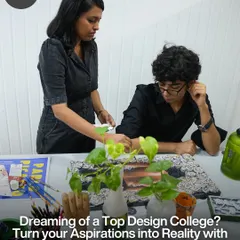
Learning happens best in a community. Our studio provides a high-energy setting where you work alongside other focused teens, receive constructive feedback in group critiques, and refine your ideas with the support of your peers.
The foundation of a strong portfolio is mastering the fundamentals. Here, a student works on a detailed pencil sketch, focusing on shading, texture, and form. This dedication to technical skill is essential for bringing complex ideas to life.
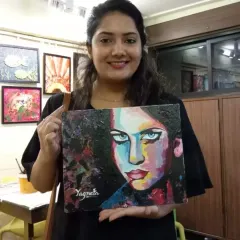
We guide high school artists in mastering a variety of mediums. This image captures a student working with acrylics, learning to blend colors and build layers to create a rich, expressive painting. This versatility is key for IB and IGCSE Art coursework.
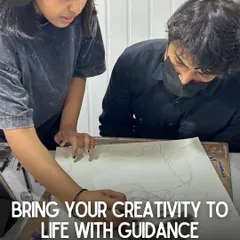
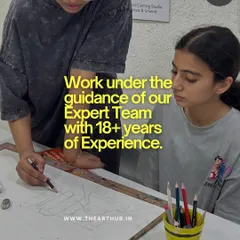
Every great artwork begins with a line. A student carefully lays out the foundational drawing for a new piece. This initial stage of planning and composition is a critical part of the artistic process we teach.
Our studio library is a vital resource for inspiration and research. Here, students immerse themselves in art books, gathering ideas and studying the work of other artists to inform their own creative process and develop their conceptual thinking.
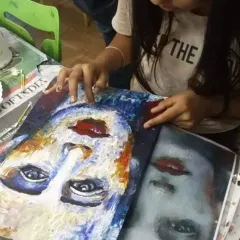
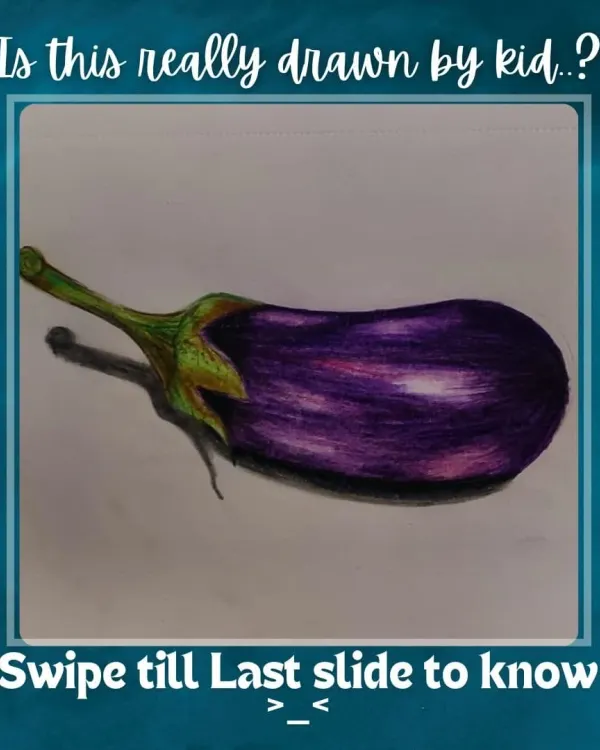
A close-up view of a student's work with colored pencils on canvas. This piece showcases the development of advanced techniques, such as creating depth and form through meticulous layering and blending of colors.
Understanding the structure of the head is the key to creating compelling portraits. In this demonstration, I break down the planes and proportions of the face, showing students how to move from a simple sketch to a well-structured drawing.
About More Than Finished Pieces: The Creative Journey
Most students arrive here thinking they need ten perfect drawings to impress an admissions board. That is exactly what we unlearn. In our studio, we treat your sketchbook like a lab. We want to see the failed experiments, the weird color tests, and the scribbled notes on the side. When you sit down with us, we are not just critiquing your line work. We are looking at your decision-making process. That documentation is what actually separates an amateur application from a successful one.
Why Admissions Boards Want to See the Mess
When you apply to programs like RISD, Parsons, or NID, the evaluators are looking for one thing: how you think. A polished final painting tells them you have technical skill. But your process documentation—your mood boards, material tests, and failed attempts—tells them you are a designer who can iterate.
What We Build in the Studio
We structure your work to highlight your creative evolution:
- Ideation Sheets: Before you put paint on canvas, we map out the 'why' behind your concepts. This is where you connect your personal narrative to your visual output.
- Material Exploration: You will get your hands dirty. Whether it is wire sculpting, etching, or mixed-media collage, we push you to test the physical limits of your medium.
- Peer Critiques: You do not work in a vacuum. Our studio in Prabhadevi functions like an 'adda' where students present work in progress. You learn to defend your choices and listen to feedback, which is exactly the skill you will need in an actual design school jury.
Your Portfolio Strategy
If you are aiming for IB, IGCSE, or college entrances, we move beyond simple drawing drills. We focus on curating a body of work that shows versatility. We don't just teach you how to draw a face. We teach you how to deconstruct the structure, use it for a concept, and then document the entire evolution so an admissions officer can see exactly how you solved the problem.
Similar work from other experts
Browse through Curated picks from other experts on mytribe
Building Your Unique Art Portfolio
Portfolio Coaching for Top Art & Design Colleges
 7
7Creative Art Classes and Design Exam Coaching in Mumbai
 26
26

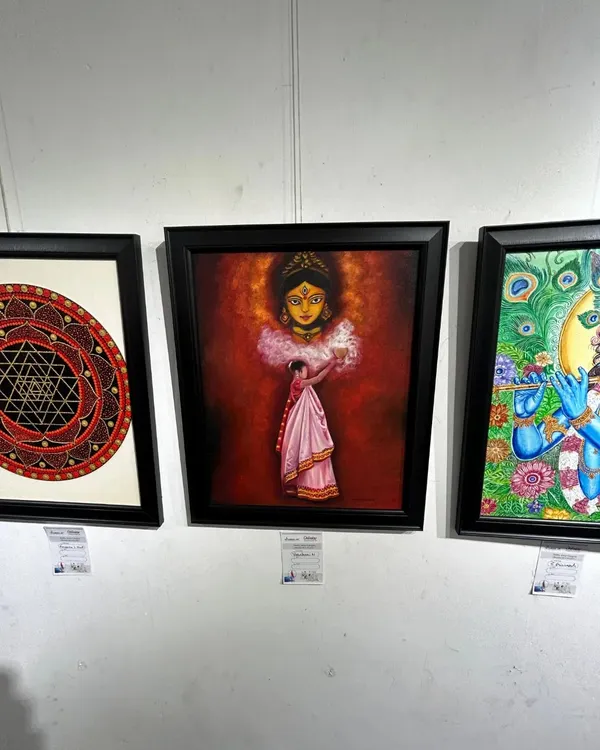
Student Art Gallery and Creative Portfolio
Student Art Progress and Creative Portfolios
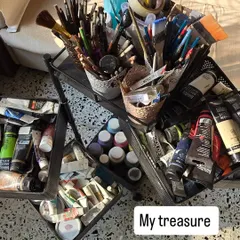
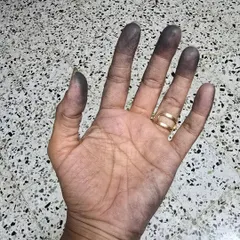
Behind the Scenes: My Creative Art Process
More from Portfolio Preparation for Design Colleges by Purnima Sampat
More services by Purnima Sampat