Tiger Photography Expeditions: Learn to Track and Shoot
Join me for guided tiger safaris in Tadoba and beyond. We go beyond simple sightings, focusing on reading animal behavior to capture raw, authentic moments of nature's most iconic predator.
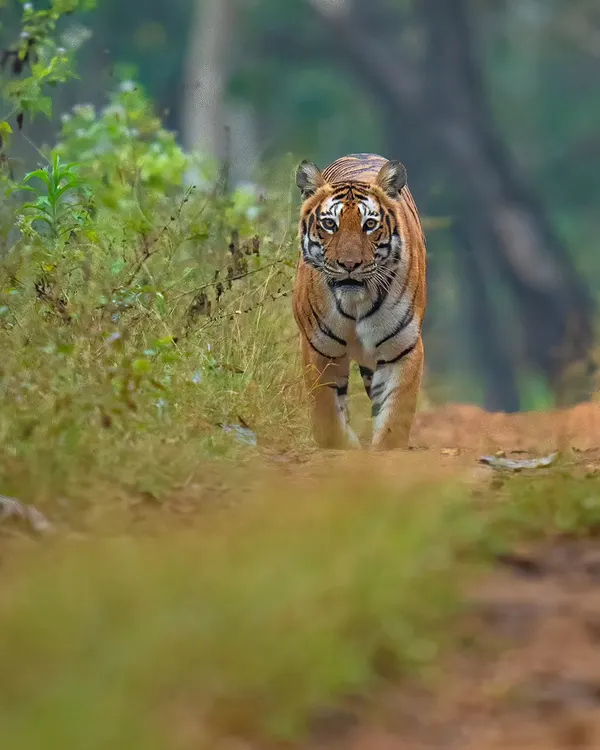
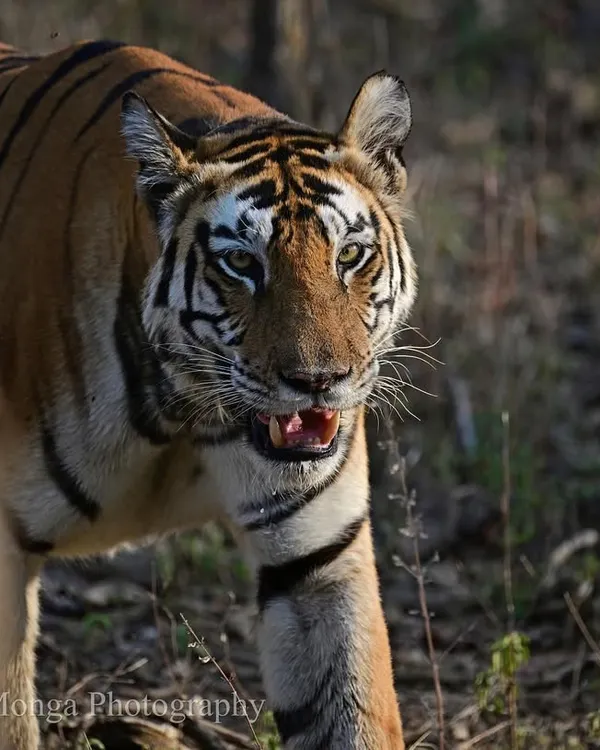
A direct, head-on gaze from a tiger is a powerful moment. This kind of intimate portrait is what we strive for, using long lenses and ethical practices to capture the animal's presence without disturbance.
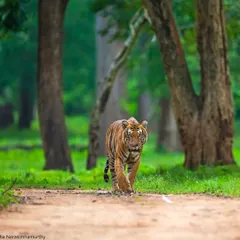
A tiger emerges from the morning mist, walking with purpose down a jungle track. These atmospheric conditions create incredible opportunities for moody, evocative wildlife photography.
Two of Choti Thara's cubs walking in perfect sync. Capturing such coordinated behavior requires anticipation and being ready for the moment, and this was a perfect test for a new flagship camera.
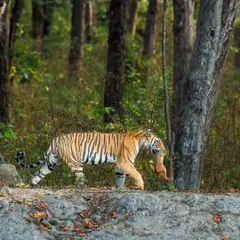
The confident, steady walk of a male tiger patrolling his territory in Panna Tiger Reserve. Understanding this behavior helps us position ourselves for powerful shots that convey the animal's dominance.
An attempted hunt by Choti Thara and her cubs on a wild boar in Tadoba. While the hunt was unsuccessful, it was a raw display of instinct and a lesson in the challenges of survival.
A playful tiger cub decides to chase a pond heron at the water's edge. These unexpected, spontaneous moments often make for the most memorable photographs and stories from the field.
A tiger moving through the misty forests of Philibit. The soft, diffused light of a foggy morning can create a painterly effect, highlighting the cat's form against the trees.
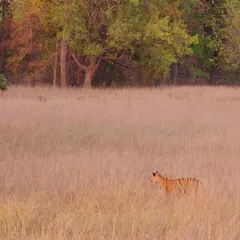
This tiger, walking through tall grass, demonstrates how these predators use their striped coats for camouflage. We learn to spot these subtle signs to improve our tracking skills.
A tiger scent marking a tree, an essential form of communication in the jungle. Capturing these behavioral details adds a rich layer of storytelling to your wildlife portfolio.
A close-up of the Flehmen response, as a tiger analyzes scents left by other animals. This is a fascinating behavior that shows the complex social lives of these solitary cats.
About The Tiger's Realm
Getting the perfect tiger shot isn't just about clicking a button when the cat appears. It's about reading the subtle shifts in behavior, like the flick of an ear or the tension in a stance, long before the action happens. During our drives, I teach you to anticipate these movements, because once a tiger begins a hunt or starts to run, you have mere milliseconds to adjust your exposure settings.
Tracking Tigers: A Game of Patience
There is a difference between seeing a tiger and photographing one. In parks like Tadoba, Panna, and Corbett, we spend our time reading the jungle. We listen to the alarm calls of langurs and sambar deer, which often reveal a tiger's presence long before we spot stripes. It is a slow process, and there are days when the forest remains silent. I believe in honest expectations—you cannot command nature, but you can prepare to capture it when the moment arrives.
Technical Fieldcraft
Photography in the deep jungle is physically demanding. You are often shooting from a moving jeep with shifting light conditions, from the dappled shadows of the canopy to the harsh glare of an open clearing.
I focus on:
- Manual Exposure Control: Learning to adjust settings on the fly as your subject moves from shade to sun.
- Predictive Framing: Knowing where to point your lens before the tiger enters the frame.
- Gear Discipline: Using the right focal length for habitat shots versus intimate portraits.
Respecting the Habitat
My priority is always the well-being of the wildlife. We maintain a respectful distance, ensuring our presence does not influence the animal's behavior. Whether we are watching a tigress scent marking a tree or cubs playing at the water's edge, we are observers. I help you document these interactions authentically, resulting in images that tell a story rather than just showing an animal staring at a camera.
Similar work from other experts
Browse through Curated picks from other experts on mytribe
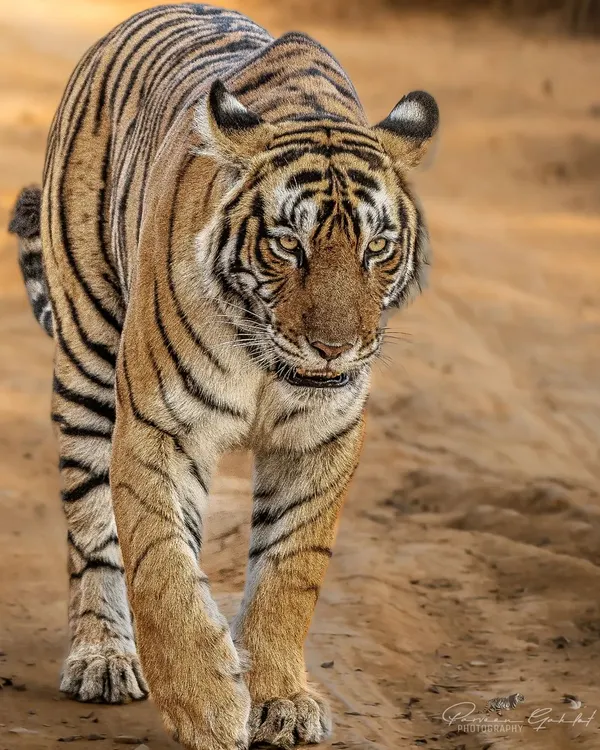 23
23
Big Cats of the Jungle: Tiger & Leopard Photography
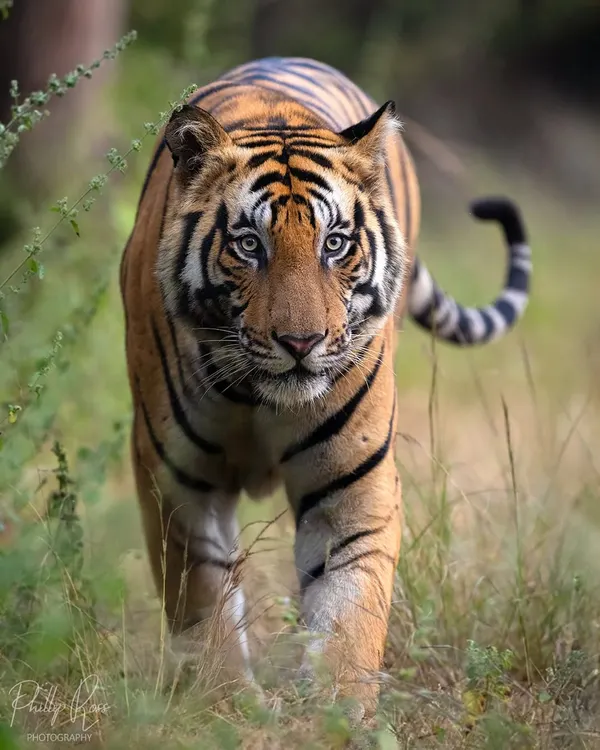 15
15
Bengal Tiger Photography Tours & Wildlife Safaris
 12
12
Indian Tiger Photography Expeditions: Learn to Track & Shoot
 54
54
Tracking Tiger Legends: The Living History of the Wild
 8
8
In the Realm of the Tiger: Wildlife Tracking Expeditions
 4
4
Big Cat Safari Photography and Wildlife Tracking
More from Guided Wildlife Photography Tours & Safaris by Mahesh Reddy
More services by Mahesh Reddy