Sustainable Green Home Design and Bioclimatic Architecture
I design homes that breathe, blending local materials with bioclimatic principles to create spaces that feel as good as they look.
This home is a living example of bioclimatic architecture, designed to work in harmony with nature. The structure is built from Compressed Stabilised Earth Blocks (CSEB) made from the very soil of the site, minimizing our carbon footprint. This low-angle view from the basement level shows how every part of the home, including the stairways and bridges, is designed for natural light and ventilation.
The interior of this home celebrates its "hand-made" origins, where every detail is intentional. I used exposed local quartzite stone for the walls to provide natural texture and thermal mass, contrasting it with modern glass and simple furnishings. This space demonstrates my belief that sustainable design can be both rustic and refined.
Here I am on the exterior bridge of the green home, a project that truly embodies my philosophy. My process involves being deeply connected to the site, guiding the use of hand-made materials and ensuring the design serves both the people within and the environment around it. This is how I help sow the seeds of a greener future.
This is the basement lounge area, an earth-sheltered space that remains cool in the summer and warm in the winter without artificial systems. To bring in light, I incorporated a glass-panelled well, turning a structural necessity into a source of beauty. This approach to energy conservation and natural light is central to my work.
The entrance to a home should be a transition from the outside world into a personal sanctuary. Here, the pathway is framed by walls of Delhi quartzite stone and an arched brick gateway, materials sourced locally for their durability and character. The design invites a connection with the natural elements from the very first step.
About Featured
When I design these spaces, the goal is not just a unique look, it is about thermal comfort that lowers your energy bills year-round. Using local materials like Compressed Stabilized Earth Blocks (CSEB) and earth-sheltered basements creates natural temperature regulation, so you rely less on air conditioning. It is a practical, long-term way to build that makes your home feel alive and weather-responsive.
My design process is deeply rooted in the site itself. Before a single brick is laid, I analyze the sun path and wind directions to ensure the structure works with the elements rather than fighting them. This is the core of bioclimatic architecture—creating homes that stay cool in the scorching Delhi summers and warm during the winters through passive design.
I prefer using raw, honest materials like Delhi quartzite stone and CSEB. These materials have thermal mass, meaning they absorb heat during the day and release it slowly at night, providing a consistent indoor climate. By sourcing these locally, we not only reduce the carbon footprint of your home but also keep construction costs more manageable by minimizing transportation and heavy machinery requirements.
Every project is a collaborative effort. Whether it is an institutional building or a private residence, I listen to the site and the client equally. We often integrate features like skylights for natural illumination, wind catchers, and rainwater harvesting systems to ensure the home is self-sustaining. Building this way allows for imperfections that actually add character, making your home a reflection of the landscape it sits on rather than an imposition.
Similar work from other experts
Browse through Curated picks from other experts on mytribe
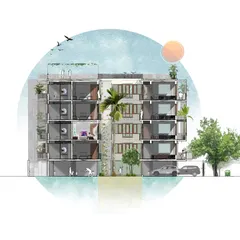
Sustainable Home Design & Passive Architecture
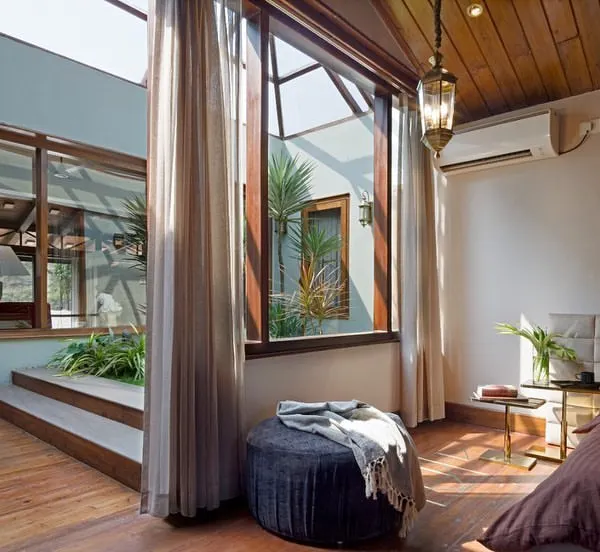 6
6
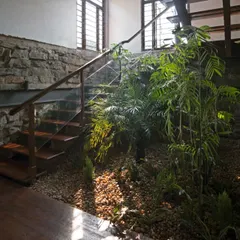
Signature Sustainable Architecture and Biophilic Interiors
 6
6
Architectural Design and Construction Portfolio
 10
10
Nature-Inspired Architectural Designs and Private Residences
 8
8
Featured Sustainable Architecture and Ethno-Modern Design Projects
 10
10
Our Featured Architectural Works
More from Sustainable Residential Architecture by Vinit Khanna
More services by Vinit Khanna