Foundational Strength Training with Velocity-Based Coaching in Bengaluru
Building athletic power is not about lifting heavy for the sake of it. Here is how I use biomechanics and velocity-based tracking to perfect your foundational lifts—whether you are squatting, snatching, or deadlifting for performance.
A personal milestone of a 200kg trap bar deadlift. This lift is a fantastic tool for developing total body strength with less stress on the spine compared to a conventional deadlift.
Executing a 170kg sumo deadlift. This variation allows for a more upright torso and targets the hips and glutes, which are the primary power drivers for most athletes.
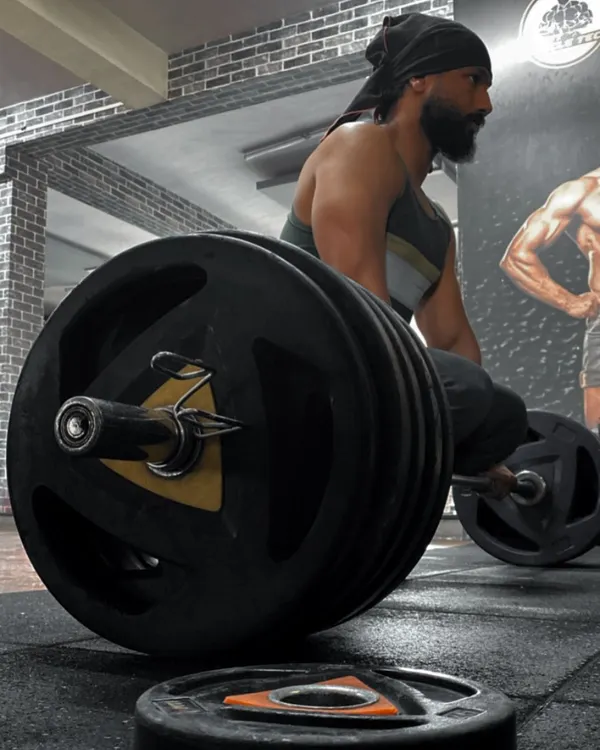
A close-up of a heavy sumo deadlift in progress. This lift requires immense grit and focus, embodying the mindset I work to instill in my athletes.
A compilation of key lower body strength exercises. This includes front squats with chains for accommodating resistance, Bulgarian split squats for unilateral strength, and Nordic curls for hamstring health.
A snapshot of a full training session. This sequence shows a power clean, followed by a heavy back squat, and finishing with a high-volume Bulgarian front squat to target power, max strength, and hypertrophy in one workout.
The offset ipsilateral single-leg deadlift is an advanced exercise I use to challenge core stability and balance. Loading one side of the body forces the trunk muscles to work harder to prevent rotation.
Using Velocity-Based Training to track a power clean. Hitting a peak velocity of 2.05 m/s with 80kg ensures I am training for explosive power, not just lifting heavy weight.
A 40kg snatch hitting a peak velocity of 2.24 m/s. The snatch is the ultimate expression of power, requiring speed, coordination, and mobility, making it a valuable tool for athletes.
The split jerk is a dynamic overhead lift that develops upper body power and stability. It's a key component of Olympic weightlifting and has great carryover to many overhead sports.
The Romanian Deadlift (RDL) is a fundamental exercise for strengthening the entire posterior chain, including the hamstrings and glutes. Proper form is key to maximizing its benefits for athletic performance.
About In the Gym: Foundational Lifts
When we work on foundational lifts, I look past the barbell. We use sensors to track bar velocity, which tells us if you are actually producing power or just grinding through fatigue. If the speed drops below your optimal zone, we adjust the load in real-time, ensuring you get the stimulus you need to improve on the field without burning out.
Focusing on compound lifts is about building the force-vector efficiency required for field sports, not just raw strength. I prioritize Olympic lifting foundations—snatch, clean, and jerk—because they teach your nervous system to produce force rapidly. You will see exercises like offset single-leg deadlifts in my programming, which challenge core stability and balance beyond the sagittal plane.
Velocity-Based Training (VBT) is the standard here. By monitoring the speed of the bar (m/s), we take the guesswork out of your training. This is how we objectively measure your progress in the gym, ensuring the work you put into a power clean or a back squat directly translates to your speed and agility on the field in Bengaluru.
I program for the individual, not a generic template. We look at your movement screening, injury history, and the specific demands of your sport, then build a periodized block that ensures you peak when it counts. Whether you are prepping for a cricket tournament or managing a recurring knee issue, the programming adapts to you.
Similar work from other experts
Browse through Curated picks from other experts on mytribe
Science-Based Strength and Powerlifting Coaching
Strength & Powerlifting: Master Your Lifts
Master Your Strength and Weightlifting Technique
Strength Foundations: Master Deadlifts and Squats with Bhaskar
 6
6Build Raw Strength and Master Powerlifting
Raw Strength: Powerlifting & Heavy Lifts
More from Strength & Conditioning for Athletes by Snehit Rai
More services by Snehit Rai