Evidence-Based Coaching Principles for S&C Professionals
Stop relying on guesswork and start coaching with intent. Explore the science behind periodization, biomechanics, and velocity-based training with my evidence-based approach for strength professionals.
This slide introduces the topic of periodization, the strategic manipulation of training variables. I teach coaches that periodization is not just program design; it's applied physiology, grounded in principles like General Adaptation Syndrome to optimize performance and prevent overtraining.
An explanation of Linear Periodization, a model that gradually increases intensity while decreasing volume. This is a foundational model that I teach, highlighting its utility for novice lifters or athletes peaking for a specific event.
Here I detail Block Periodization, which segments training into focused blocks like accumulation, transmutation, and realization. I explain how this model is best suited for elite athletes preparing for a major competition by concentrating on one physical quality at a time.
This slide covers Undulating Periodization, where training variables are altered daily or weekly. I discuss how this model is highly effective for team sport athletes with long seasons, as it allows for the concurrent maintenance of multiple physical qualities like strength, power, and hypertrophy.
An overview of Conjugate Periodization, which involves training multiple qualities concurrently while rotating exercises to avoid accommodation. I explain its application for powerlifters or tactical athletes who require a state of high readiness year-round.
This slide emphasizes why structured variation through periodization is crucial for adaptation. I explain how it drives improvements in neuromuscular efficiency, metabolic conditioning, and structural integrity, all of which are time-sensitive and require precise programming.
A visual comparison of the Olympic lifts: snatch, clean, and jerk. I break down how each lift induces specific adaptations based on its unique biomechanical and force-velocity characteristics, allowing coaches to program with greater precision for sport-specific transfer.
This video explains the science behind the barbell hip thrust. I focus on its role in developing horizontal force production, which is critical for athletic actions like sprinting and jumping, directly supporting the force-vector theory of training.
A biomechanical comparison of the hang power clean versus the power clean from the floor. I teach coaches to understand how starting position alters the kinetic chain and neuromuscular demand, allowing for targeted development of either full-body power or explosive hip drive.
An introduction to complex training, which pairs a heavy resistance exercise with a biomechanically similar plyometric movement. I explain the underlying neural adaptations, such as increased corticospinal excitability, that lead to enhanced rate of force development.
About Evidence-Based Coaching Principles
When you step onto the gym floor, every cue you give should have a physiological reason behind it. I do not just teach you the how of a lift. I show you the why, like how a specific snatch variant alters the force-velocity spectrum for your cricket athletes or why undulating periodization might be the missing link for your team-sport clients in a long season.
My approach to Strength and Conditioning is rooted in the constant application of research. We move beyond textbooks to understand how specific training stimuli drive athletic adaptation.
Why Evidence-Based Coaching Matters
Coaching is an applied science. Whether you are prepping an athlete for the CSCS practical exam or building a long-term program for a high-performance team, your decisions should be guided by data. We dissect advanced periodization models, including linear, block, and undulating structures, to see which aligns best with your athlete's recovery capacity and competition calendar.
Technical Deep Dives
- Biomechanics: We analyze the kinetic chain of Olympic lifts like the clean and snatch. Understanding the difference between a hang power clean and a floor-based power clean allows you to target specific force-velocity zones for your clients.
- Velocity-Based Training (VBT): I teach you to use technology to monitor bar speed, ensuring your athletes train at the correct intensity without accumulating unnecessary neural fatigue.
- Data Literacy: We focus on utilizing tools like Excel and Power BI to track athlete loads, making your programming objective rather than subjective.
Bridging the Gap
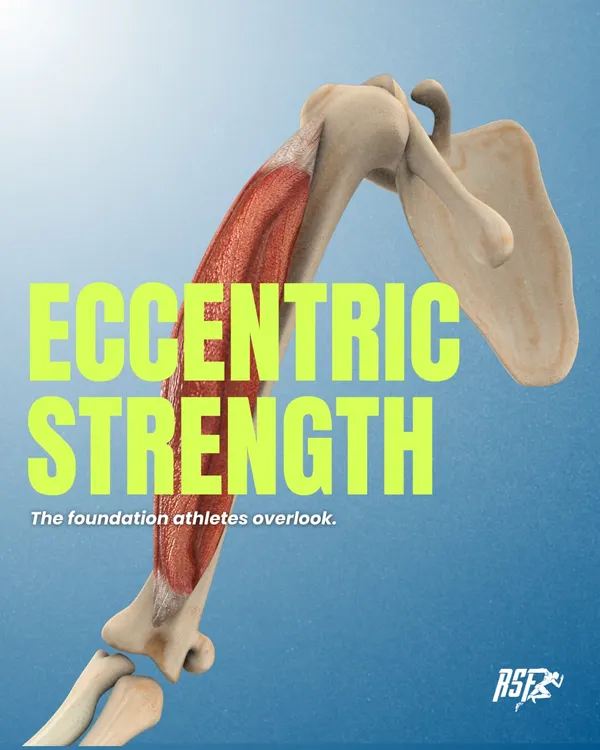
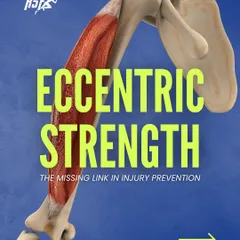
My mentorship is designed to be a two-way street. I provide the theoretical foundation—covering topics like neural adaptation, force-vector theory, and the science of eccentric overload—while you bring the context of your specific athletes and challenges. We look at real-world scenarios, reviewing your programming to ensure it respects the principles of supercompensation and structural integrity. This is not about learning gimmicks. It is about sharpening your ability to program, coach, and adapt, ensuring that every session you run serves a clear, measurable purpose.
Similar work from other experts
Browse through Curated picks from other experts on mytribe
Strength and Conditioning Research & Training Insights
 12
12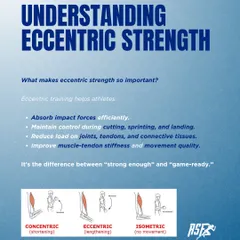
Science-Backed Training Principles for Peak Performance
The Science of Strength: Debunking Fitness Myths
 84
84
The Science of Athletic Performance Explained
My Evidence-Based Approach to Training Philosophy
Strength & Conditioning Workshops for Coaches
More from Professional Development for S&C Coaches by Snehit Rai
More services by Snehit Rai