Mastering Arm Balances: Strength & Control
Stop forcing your poses and start finding your float. We focus on the biomechanics of balance—using gaze, grip, and core engagement to move with control.
Struggling in arm balances? It's not always about strength. Small details like your gaze (drishti), pointed toes, and active fingers can make all the difference.
Some of my favorite Crow Pose transitions, including moving from Crow to Malasana to Firefly (Tittibhasana). Which one is your favorite?
A transition from Eka Pada Bakasana (One-Legged Crow) into EPK. This flow links two challenging arm balances together.
This transition from EPK 2 to EPK 1 is more fun than it looks. It's a great challenge for core strength and hip mobility.
Your gaze pulls your weight. In this EPK variation, looking to the side makes it much harder to balance. We'll work on using your drishti to stabilize your poses.
The key to a stable arm balance: look forward, point the back toes, and grip the mat with your fingertips. These small adjustments create a solid foundation.
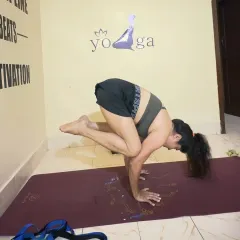
Common mistakes in Crow pose include looking down, having passive hands, and floppy toes. Your drishti directs your balance, so don't let your gaze pull you down.
A common mistake in forearm balances is letting the head go between the elbows. This destabilizes the shoulders. We'll work on proper alignment.
The recipe for a solid Crow pose: look forward, not down; engage your feet with plantar flexion; and press your fingertips firmly into the mat to grip and balance.
An entry into EPK from Galavasana (Flying Pigeon Pose). This is a creative way to transition between two different arm balances.
About Arm Balances: Strength & Control
Most students assume arm balances require massive upper body strength. It is actually about where you look and how you grip the mat. We work on the micro-movements—like engaging your fingers and pointing your toes—to build a foundation that feels stable, not scary.
Arm balances like Crow (Bakasana) or Eka Pada Koundinyasana (EPK) often look impossible, but they become much more accessible when you stop thinking about brute strength and start thinking about leverage.
My approach focuses on three core pillars:
-
Drishti (Gaze): Where you look is where you go. Looking down at your feet pulls your center of gravity off balance. We practice keeping the gaze forward to maintain proper alignment.
-
Active Grip: Your fingers are your brakes. We work on pressing your fingertips into the mat to control your weight distribution and prevent your wrists from taking all the pressure.
-
Core & Biomechanics: Transitions like moving from Crow to Firefly or flowing into EPK require more than just holding a pose. We build the core engagement that sustains your flow.
You will wobble. You might fall. I still do. The goal here is not a perfect picture for social media; it is learning how to catch yourself and build the body awareness to try again safely. If you are hitting a wall with a specific pose, I offer 1-on-1 biomechanics consultations. We can break down your form over video and build a personalized drill plan to help you progress.
Similar work from other experts
Browse through Curated picks from other experts on mytribe
Mastering Arm Balances: Strength, Control, and Poise
Mastering Handstands & Arm Balances: Alignment-Based Yoga
 10
10
Master Handstands and Arm Balances Safely
Advanced Yoga: Arm Balances & Inversions
 25
25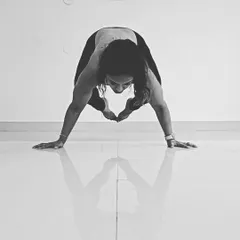
Arm Balances and Inversions: Building Real Strength
Master Inversions and Arm Balances Safely
More from Advanced Vinyasa: Strength, Flexibility & Inversions by Seema Prabhakar