Deep Backbends: Building Strength and Spinal Mobility
Backbends are not just about reaching backwards, they are about building the strength to support that movement safely. Here is how I teach my students to open the heart and hips with control.
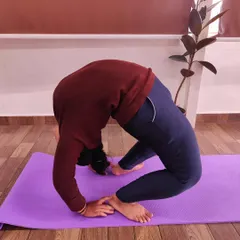
Backbends aren't just about flexibility, they're about vulnerability. This transition from a forearm bridge to a standing backbend teaches us to open the heart and let go.
A creative transition from Crow Pose to Camel Pose, blending arm balance strength with a deep heart opener.
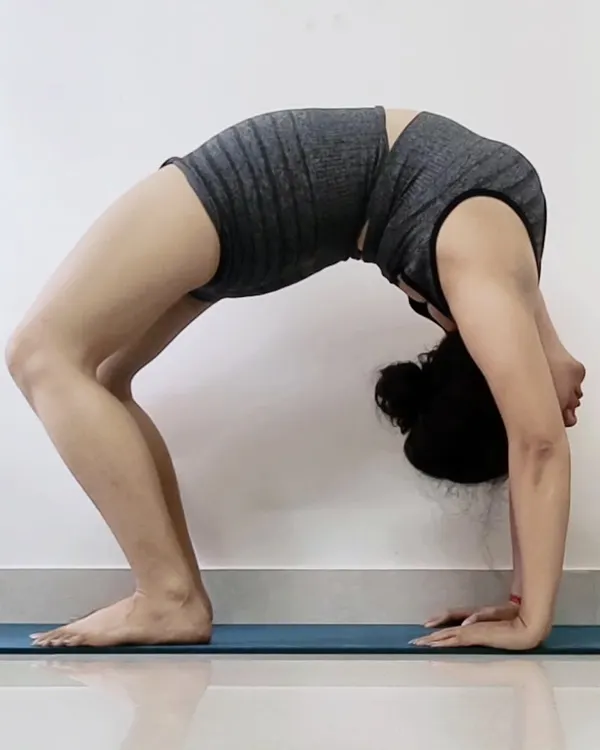
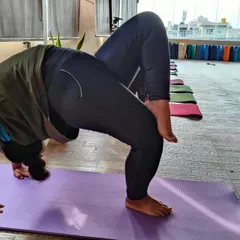
Here are 8 different ways to enter Wheel Pose (Urdhva Dhanurasana). Which one is your go-to?
To go deeper and safer in backbends, you need to open the front body. This means stretching your quads, releasing hip flexors, and expanding the chest.
Most of us think backbends are just about bending the spine, but that's only half the story. True backbends involve opening the entire front of the body.
Backbends are about strength in the back, space in the front, and awareness of your breath. It's not just about flexibility.
Tightness in the quads, hip flexors, and chest can limit your backbends and cause compression in the lower back. We'll work on opening these areas.
Your spine doesn't need to be forced. It needs space. Start by opening the front of your body, and your back will follow.
A moment of reflection and release in a water backbend. The support of the water allows for a deeper sense of letting go.
Another variation of a backbend in the water, focusing on the feeling of expansion and surrender.
About Deep Backbends: Opening the Heart & Spine
A common misconception is that backbends are purely about flexibility. In my classes, we prioritize the front body—specifically stretching the quads and hip flexors—before attempting the arc. When you release that tension first, the spine naturally finds more space without the risk of lower back compression, allowing you to move deeper with ease.
Many of us fear backbends like Wheel (Urdhva Dhanurasana) or Camel (Ustrasana) because they feel like they strain the lower back. That happens when we try to force the spine into a shape it isn't ready for. My approach is different: we work on preparatory drills that open the shoulders, expand the chest, and lengthen the hip flexors. By creating length in the front body, the spine is essentially given the freedom to move into extension safely.
Why my approach works:
- Prop-supported sequences: We use blocks and straps to support the structure of the pose, allowing you to breathe deeply rather than holding your breath and tensing up.
- Biomechanics over aesthetics: We focus on the why and how of the movement. Understanding if your hips need to be internally or externally rotated for a specific transition changes the entire experience.
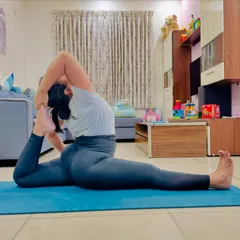
- Progressive drills: Advanced poses like King Pigeon (Eka Pada Rajakapotasana) are not achieved overnight. We build the necessary foundation over weeks, focusing on steady, consistent progress.
Whether you are trying to clean up your alignment or just want to feel less stiff at your desk, these drills are designed to help you move with more confidence. If you have any specific concerns about spinal health, we can address those during a 1-on-1 consultation.
Similar work from other experts
Browse through Curated picks from other experts on mytribe
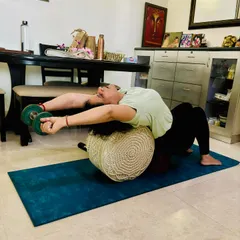
Mastering Backbends: Spinal Flexibility and Strength
Backbend Yoga Training: Safe Heart Opening with Props
Open Your Heart: A Guide to Backbends
 31
31
Advanced Backbends and Hip Openers
Master Deep Backbends and Spinal Flexibility
Unlocking Your Spine: Backbends & Splits
More from Advanced Vinyasa: Strength, Flexibility & Inversions by Seema Prabhakar