Hindustani Classical Music: Theory and Musical Legacy
Music is more than melody; it is science, history, and a disciplined pursuit. Explore the foundational elements of Hindustani shastriya sangeet—from the precise structure of a raag to the rhythmic cycles of taal—as we practice them here.
Riyaz is the systematic practice of classical music under a guru's guidance. This infographic provides essential tips for beginners, covering breathing exercises, pitch accuracy, vocal range, and alankar practice to build a strong foundation.
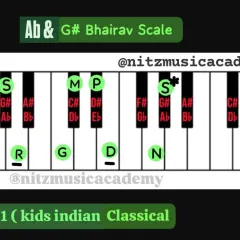
An introduction to Raag Bhairav, the primordial morning raga. It demonstrates the magic of Indian Classical Music, where the use of oscillatory komal Rishabh and Dhaivat creates the deep, meditative aura of Lord Shiva.
As the primordial sound, Raag Bhairav is said to be the first of the ragas. This post explains its character as a dheer, veer, gambhir raga dedicated to Lord Shiva and its role as the aashraye raag for many others like Ahir Bhairav and Nat Bhairav.
An exploration of Raag Durga, a pentatonic (Audav Jaati) raga from the Bilawal Thaat. This infographic details its characteristic pakad and its power to invoke divinity, epitomizing both bhakti and shringar rasa.
This post delves into Raag Bageshri, a night raga known for its deep, introspective mood. It explains its asymmetric scale and its emotional character, meant to depict a woman's longing for reunion with her lover.
An overview of Raag Yaman, a versatile and serene evening raga. It is known for its rich melodic contours and association with devotion, longing, and romance, making it a favorite for extensive improvisation.
We explore Raag Bhairavi, the queen of melodies. This post describes it as a Sarvakalin Sampoorna raga where all 12 swaras can be used, making it incredibly versatile for forms ranging from chota khyal and thumri to hori and tappa.
An introduction to Raag Jaijawanti, a complex night raga from the Khamaj Thaat. It personifies the beauty of love in the midst of war or homecoming after separation, characterized by the poignant placement of a komal Gandhar.
This infographic introduces Raag Maanj Khamaj, a gem from the Maihar Gharana. This romantic evening raga is identified by its distinct phrases rather than a fixed scale, showcasing the innovative spirit of Baba Allauddin Khan.
We explore Raag Nand, a masterpiece known for its unique use of both shuddh and teevra Madhyams. This raga of endless emotions depicts a love that is unyielding and lasts forever, famously used in compositions like "Tu Jahan Jahan Chalega."
About Shastriya Sangeet 101: The Theory and Legacy
We believe theory is the skeletal framework upon which music breathes. In our classes, you do not simply memorize definitions; you analyze the Aaroha and Avroha of each raaga, identifying the specific swar sangatis that evoke its unique rasa. This practical approach ensures that your understanding of the science behind the notes gives your rendition authentic emotional depth.
Hindustani classical music is a living tradition, and its preservation relies on a deep understanding of its technical foundations. At Sangeet Sadhana, we bridge the gap between academic knowledge and actual performance.
The Science of Raaga
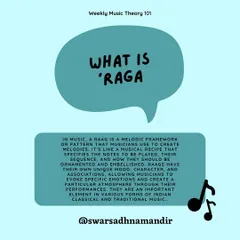
A raaga is more than a scale; it is a melodic framework meant to color the mind. We teach students to identify the specific characteristics that define a raaga’s personality—its time of day, the emotions it invokes (rasa), and its unique pakad (signature phrase). Whether you are studying the morning serenity of Raag Bhairav or the introspective depth of Raag Bageshri, you will learn to execute the subtle oscillations (andolan) that transform a simple sequence of notes into a spiritual experience.
The Rhythm of Taal
Laya and taal provide the pulse of our music. We guide students through the complex rhythmic cycles of Hindustani music, ensuring precise control over beats and divisions (vibhaag). From the foundational Teentaal to the balanced patterns of Jhaptal, our curriculum demands rigorous attention to timing, which serves as the bedrock for all improvisations, whether in vocal khayal or instrumental solo.
The Guru-Shishya Tradition
Our classes in Koramangala, Bangalore, are conducted in the traditional Guru-Shishya parampara. This environment allows for the transmission of not just musical theory, but the history and mythology behind every composition—from Hori to Abhang. By grounding students in this legacy, we ensure that they are not just reproducing sound, but participating in an ancient, refined dialogue between the teacher, the student, and the music itself. Whether you join us online or offline, the objective remains the same: to awaken the dormant music within you through structured, dedicated riyaz.
Similar work from other experts
Browse through Curated picks from other experts on mytribe
The Philosophy of Hindustani Classical Music
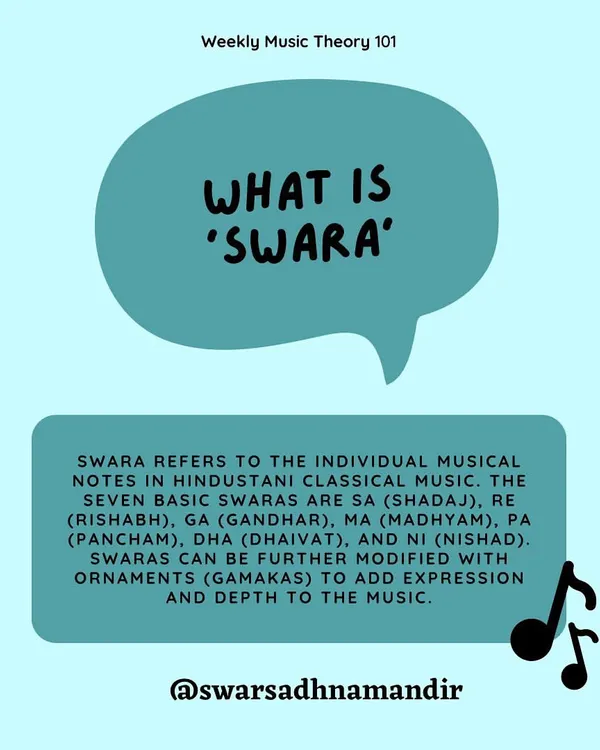 6
6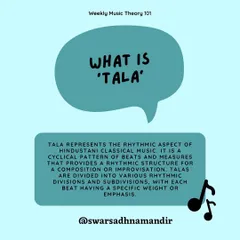
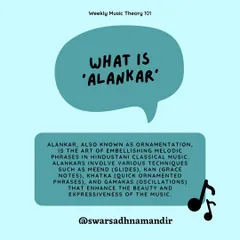
Music 101: Understanding the Basics
The Soul of Indian Music: Ragas, Techniques, and Roots
Mastering Indian Classical Vocals
Master Harmonium & Indian Classical Music with Nitz Music Academy
Mastering Indian Classical Raags: Sitar Classes with Hardik Verma
More from Hindustani Vocal Music by Sangeet Sadhana
More services by Sangeet Sadhana