Hand-Embroidered Shawls and Stoles with Traditional Motifs
Warmth meets heritage. Explore my collection of woollen shawls, each hand-embroidered with traditional Kasuti and Negi motifs to carry you through the cooler months.
Get ready for winter with these hand-embroidered woollen shawls. This image shows two distinct designs, both featuring a combination of Kasuti and Negi embroidery on black wool.
A closer look at the woollen shawl with Kasuti and Negi embroidery. The motifs are inspired by traditional temple architecture and nature.
This black woollen shawl features a striking red border and motifs from Kasuti and Negi embroidery traditions. It's a bold and beautiful piece to keep you warm.
Another example of a hand-embroidered woollen shawl, perfect for the winter season. The intricate patterns are stitched with care by my artisans.
This shawl combines different traditional motifs in a scattered pattern, making it a unique and eye-catching accessory.
About Embroidered Shawls & Stoles
When working with wool, the tension must be perfect so the embroidery sits flat without pulling or bunching the fabric. I use specific counted-thread techniques like Kasuti and Negi to ensure these designs are not just surface decorations, but structured, lasting parts of the shawl itself.
Why Kasuti and Negi on Wool?
Most people associate Kasuti with cotton, but the geometric precision of the counting stitch works beautifully on wool. When I apply these patterns to a woollen base, I am looking for stability and texture. The Negi stitch, which is a weaving-style technique, adds a subtle, raised dimension to the fabric that simple flat embroidery cannot achieve. It provides a tactile experience that respects the weight and warmth of the wool while adding a layer of heritage.
The Process
Every shawl in this collection is treated as a slow fashion project. I do not rush the counting. Because these are woollen pieces, I ensure the thread thickness matches the weave density of the fabric. If the thread is too heavy, it drags; if it is too light, it disappears into the fibres. The goal is a balanced look where the intricate temple motifs or floral patterns look like they were woven into the textile from the start.
Care and Longevity
These pieces are meant to be worn and passed down. Because the embroidery is done by hand, I always recommend dry cleaning or gentle hand washing with mild wool-specific detergent. Avoid wringing or scrubbing the embroidered areas. If you store these during the warmer months, keep them in breathable cotton covers rather than plastic to let the wool breathe, ensuring your shawl remains a part of your winter wardrobe for years to come.
Similar work from other experts
Browse through Curated picks from other experts on mytribe
Handmade Crochet Scarves and Stoles
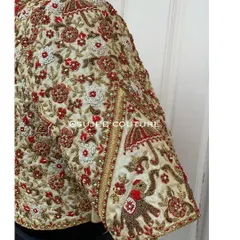
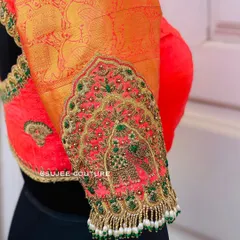
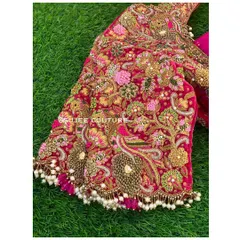
Handcrafted Aari and Zardozi Embroidery Details
 39
39
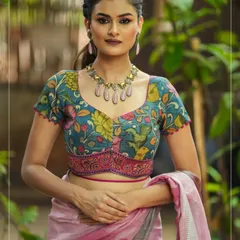

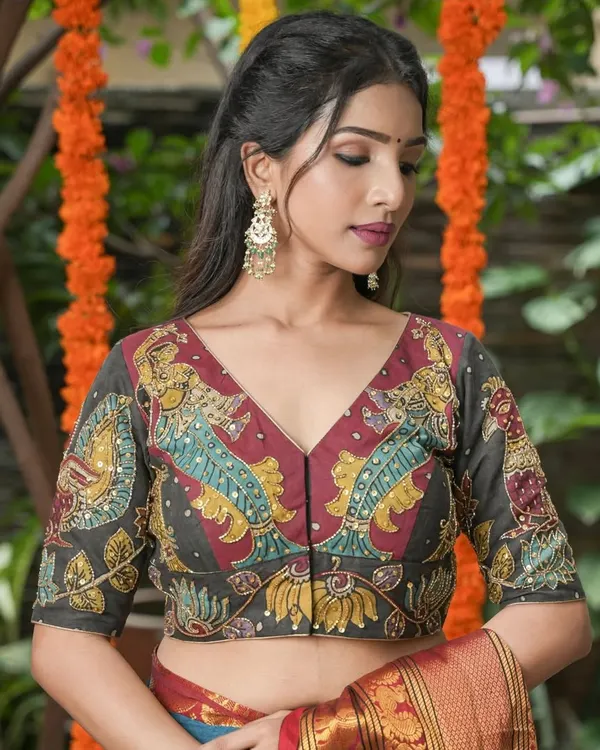
Pen Kalamkari Blouses: Authentic Hand-Painted Designs
 22
22
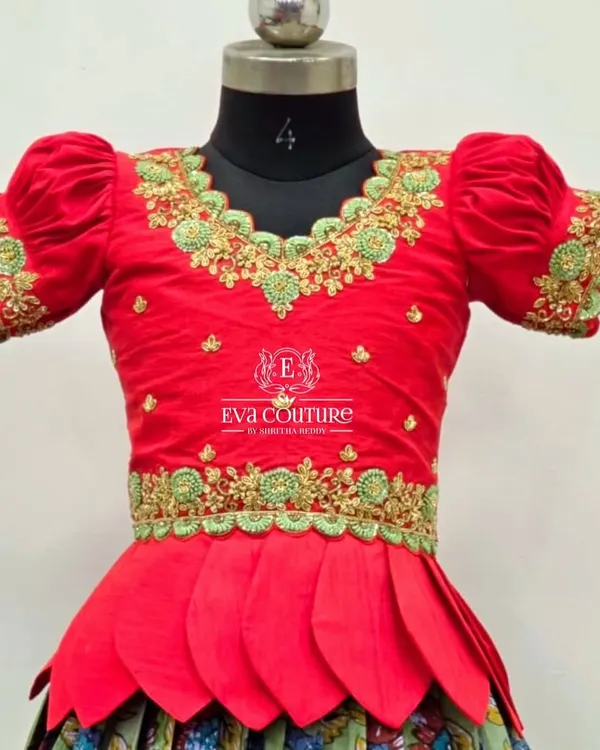
Exquisite Maggam Work and Traditional Embroidery Designs
Exquisite Hand Embroidery Sarees

Featured Custom Hand-Embroidered Blouse Designs
More from Hand-Embroidered Apparel & Accessories by Sameeksha
More services by Sameeksha