Stop Believing These Common Health Myths
Is rice actually bad for you? Is brown sugar better than white? I clear the air on common nutrition myths so you can stop stressing and start eating with confidence.
Chia seeds versus Sabja (basil) seeds. Many people get confused, but they are not the same. I break down the differences, from how they look and puff up to their unique health benefits for long-term wellness versus instant relief.
Do dals and millets cause bloating? Only if you don't soak them. Soaking is an ancient, simple practice that removes anti-nutrients, improves digestion, and even makes them taste better. Don't skip this crucial step.
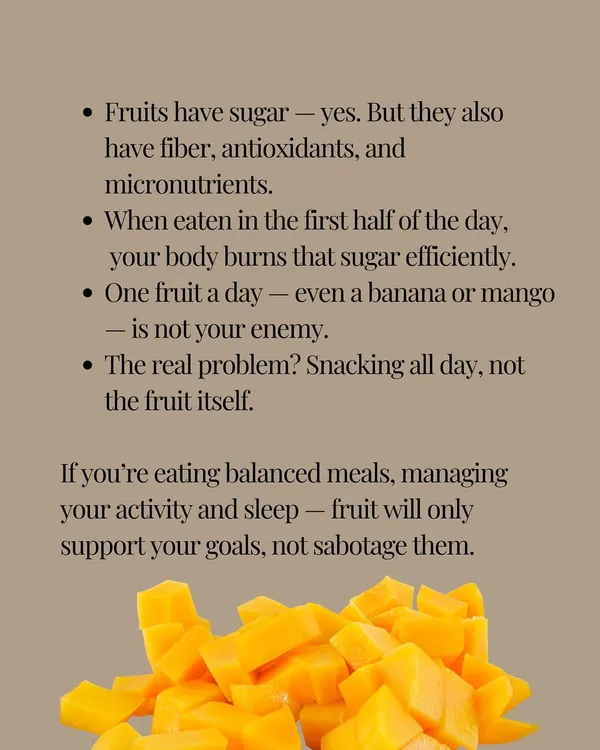
We often throw away bananas with black spots, thinking they are spoiled. But this is how a banana ripens naturally on the tree, and it's actually the sweetest. Don't be fooled by the perfect-looking, chemical-laden bananas in the market.
Potatoes versus sweet potatoes, which is better? Both have a place on your plate. Potatoes are great for instant energy and potassium, while sweet potatoes offer sustained energy and Vitamin A. The only rule is, don't deep fry them.
White sugar or brown sugar? It really doesn't matter. Both have the same calories and will spike your blood sugar. The real question is how much sugar you are consuming in total.
Myth: Spices cause stomach problems. Fact: Indian spices like turmeric, cumin, and fennel are actually rich in antioxidants and promote good digestion. Moderation is key, but they are beneficial for your health.
Myth: You need quinoa because millets aren't enough. Fact: Millets like ragi, jowar, and bajra are local powerhouses of protein, fiber, and minerals like iron and calcium. They are perfect for a balanced Indian diet.
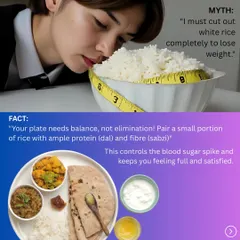
Myth: Rice is bad for weight loss. Fact: Unpolished rice like brown or red rice is a great source of energy. The key is portion control and pairing it with protein and fiber to make it a healthy choice.
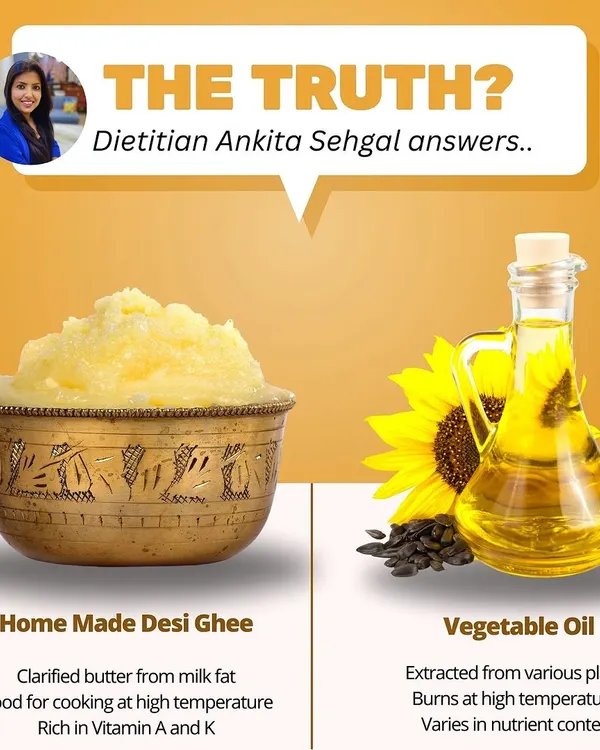
Which oil is best for Indian cooking? Cold-pressed oils are full of nutrients and great for low-flame cooking, while refined oils are chemically processed and should be avoided or reserved only for occasional deep frying.
White rice versus brown rice, what's the verdict? White rice is easier to digest, while brown rice is higher in fiber. The right choice depends on your health goals, but balance and moderation are always key.
About Let's Bust Some Health Myths
You know, when I started my own 28 kg weight loss journey, I was drowning in 'don't eat this, avoid that' advice. It turns out, most of those warnings are just marketing noise designed to make us feel guilty. I am here to help you stop fearing your own kitchen, whether it is debunking the fear of rice, understanding why soaking your dals matters, or learning why Indian spices are actually your digestion's best friend.
We live in a world of conflicting health advice. One day it is a superfood trend from the West, the next it is a warning against something our dadi-nani used daily. As a computer science engineer, I like data, but as a nutritionist, I love results that actually last.
Why do we fall for these myths?
Marketing is powerful. It makes simple, affordable foods like rice, potatoes, and local spices sound like the enemy so that you buy expensive, packaged alternatives.
The truth about your pantry:
- The Rice Debate: You do not need to give up rice to lose weight. Unpolished varieties and proper portion control are the secret, not cutting out a staple food.
- Sugar Realities: Brown sugar or white sugar, they both spike your insulin. The goal is to reduce overall consumption, not just swap one for the other.
- Spices & Digestion: Do not fear cumin, turmeric, or fennel. These are not just flavor; they are antioxidants that help your gut, not harm it.
- Millets vs. Quinoa: You do not need expensive imported grains. Our local millets like Ragi, Jowar, and Bajra are nutrient powerhouses, often packing more calcium and fiber than the 'trendy' options.
It is time to get practical.
Healthy eating does not have to be complex or expensive. It is about understanding the 'why' behind what you eat. When you know why soaking your dals reduces anti-nutrients, or why potatoes are great for period cramps, you stop following fads and start building habits that fit your life. Let's get back to basics and make food simple again.
Similar work from other experts
Browse through Curated picks from other experts on mytribe
Busting Common Food Myths: Understanding Real Nutrition
 9
9
Busting Common Indian Diet Myths
 25
25

Nutrition Deep Dives: Debunking Common Food Myths
Fact vs. Fad: Busting Common Health Myths

Myth Busting: Separating Fact from Fad
Busting Health Myths: Stop Falling for Marketing Hype
More from Healthy Cooking Workshops by Kirti Yadav
More services by Kirti Yadav