Your Guide to a Pain-Free Life
Understanding your pain is the first step toward recovery. Here, I break down common sports and lifestyle injuries so you can stop masking symptoms and start healing.
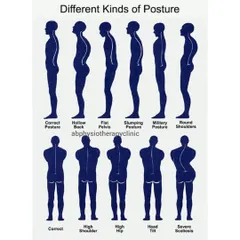
This graphic illustrates the journey from poor posture and pain to a healthy, aligned body. I use targeted exercises and postural correction techniques to treat conditions like neck pain, backache, and muscle aches, helping you stand tall and pain-free.
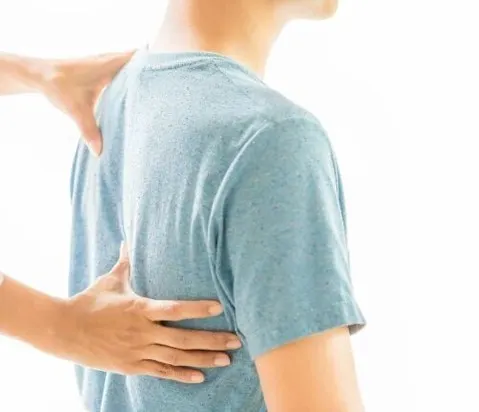
Back pain can stem from many causes, including muscle weakness, joint dysfunction, or age-related factors. Physiotherapy helps by retraining your muscles to perform correct movements, addressing the root cause of the pain.
Physiotherapy is the first-line approach for treating recurring back pain, avoiding the risks of invasive procedures. My treatment plans incorporate strengthening exercises, lifestyle changes, and manual therapy to manage pain and inflammation.
This guide explains the basics of lower back pain, which can be acute or chronic. Understanding the type of pain you are experiencing is the first step toward finding the right treatment plan with your doctor or physiotherapist.
Common symptoms of lower back pain include muscle spasms, stiffness, and posture problems. If your pain persists, it is important to consult a professional for a proper diagnosis and a personalized recovery plan.
Lower back pain can be caused by a variety of issues, including fractures, disc problems, or strains. A thorough assessment is needed to identify the specific cause and create an effective treatment strategy.
A herniated disc, also known as a slipped or bulging disc, is a common backbone injury causing back, neck, and leg pain. This infographic explains what it is and how it occurs.
Recognizing the symptoms of a herniated disc is crucial for early intervention. This guide lists common signs, such as back pain, numbness in the legs, muscle weakness, and pain radiating to the shoulders or arms.
Lumbar Spondylolisthesis is a spinal disorder where a vertebra slips forward. It is often seen in athletes in sports like gymnastics and football that stress the lower back. This diagram shows exactly what happens in the spine.
This video provides a quick overview of Lumbar Spondylolisthesis, covering its symptoms and demonstrating corrective exercises like the Suitcase Carry and Overhead Carry that help stabilize the core and support the spine.
About Your Guide to a Pain-Free Life
Most of the patients I see at OsteoGood come in after months of taking painkillers that only mask the issue. When we look at a herniated disc, chronic back pain, or tennis elbow, we are not just treating the spot that hurts; we are looking at how your entire kinetic chain is moving. During your assessment, we do not just talk. We use gait analysis and postural screenings to see exactly where your body is compensating. That is the real difference between a temporary fix and long-term, functional healing.
Beyond The Band-Aid Fix
When you are dealing with persistent pain, it is easy to fall into the cycle of taking medicine or hoping it resolves with rest. That is rarely the solution. My goal at OsteoGood is to help you move out of that cycle. Whether you are struggling with a herniated disc, recurring neck pain, or a sports-related injury like Golfer’s Elbow, the answer lies in understanding the root cause.
Why Diagnosis Matters
Many people come to me with a 'bad back' or 'knee pain' without knowing why it started. We do not guess. We assess. Using orthopedic testing and gait analysis, we determine if your pain is coming from muscle weakness, joint dysfunction, or poor posture. This is why our recovery plans are not generic. They are specific to the findings of your initial assessment.
The OsteoGood Approach to Recovery
We focus on three pillars:
- Manual Therapy: Using hands-on techniques like soft tissue release and dry needling to release tight muscle knots and improve mobility.
- Movement Retraining: We use Clinical Pilates to rebuild core stability. It is not just about strengthening; it is about learning how to move without putting unnecessary stress on your joints.
- Functional Rehab: We incorporate sport-specific drills, whether you are a weekend warrior or a professional athlete, ensuring your body can handle the demands of your daily life.
Can We Help You?
If you have been told to rest or take painkillers for a long time, it is time to try a different approach. Movement is medicine, but only when it is the right movement. Let’s sit down, review your injury history, and build a roadmap that gets you back to living your life, not just managing your pain.
Similar work from other experts
Browse through Curated picks from other experts on mytribe
 18
18
Physiotherapy Guides: Understanding Your Symptoms
Expert Recovery for Upper Body & Spine Injuries
 14
14
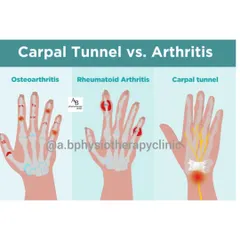
Understanding Your Pain: Physiotherapy Insights & Guides
 13
13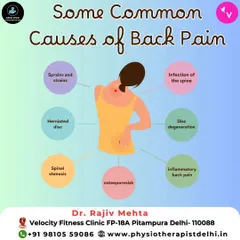
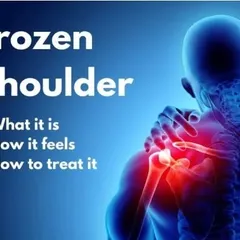
Understanding Your Pain: Identifying Root Causes
Relief from Everyday Aches and Pains
 10
10
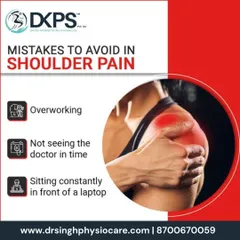
Physiotherapy Health and Wellness Guide
More from Sports Injury Rehabilitation by OsteoGood