Healthy Indian Recipes and Practical Nutrition Tips
Real food isn't complicated. I teach simple, nutrient-dense cooking using local ingredients that support your health goals—no fads, just the basics of balanced nutrition.
This homemade seed powder is packed with micronutrients and healthy fats. I use it to support hormonal balance, counter common deficiencies, and control hair fall. It's much better than store-bought supplements.
This sprouts chila, roasted in desi ghee, is a great example of a healthy, tasty, and satisfying low-carb meal. You can pair it with mint chutney or yogurt and even add a paneer filling for extra protein.
Mangoes are back, but it's important to eat them correctly. I always soak them for a few hours to reduce phytic acid and their heat-producing properties. Portion control is also key to avoid a sugar spike.
This summer salad is loaded with nutrition. It combines lettuce, spinach, paneer, chickpeas, and quinoa with a simple dressing of olive oil and lemon juice. A delightful way to get your nutrients in one bowl.
A beautiful salad with mixed greens, avocado, walnuts, and fresh berries. The crunch of the nuts combined with the creaminess of the avocado makes this a truly satisfying meal.
Paneer is a versatile fatty protein. Here, I've cooked it in a spinach, tomato, and yogurt gravy. Adding almonds to the gravy instead of corn makes this a great low-carb or keto-friendly dish.
My version of Shahi Paneer, which can also be called Keto Paneer. It's a scrumptious way to include protein and veggies in your meal, cooked in healthy fats like ghee with a touch of cream and nuts.
Coconut is an excellent fruit, rich in healthy fats, fiber, and antioxidants. I use coconut milk, oil, and fresh coconut in many of my healthy meals, as it's perfect for low-carb and keto cooking.
Ghee is one of the best fats for cooking because of its high smoke point. It helps in the absorption of essential vitamins, keeps you full longer, and adds a wonderful flavor to food.
This is my Quinoa Curd with a peanut tadka, a dish I taught at my summer workshop. It's a protein-packed, gluten-free alternative to traditional curd rice, perfect for a light and healthy meal.
About From My Kitchen: Recipes & Tips
Stop hunting for fancy 'superfoods' and start looking at how you prepare your meals. Whether it’s how I soak mangoes to neutralize phytic acid or swapping corn for almonds in my paneer gravy to keep it low-carb, I focus on technique over ingredient lists. My approach is about making traditional Indian meals work for your metabolic health—no restrictions, just smarter habits.
Cooking as Medicine
In my kitchen, we don't count calories in a way that makes you miserable. Instead, we look at the biology of food. My philosophy is simple: if you understand how to temper spices, how to use healthy fats like ghee, and how to incorporate fermented foods, you can manage your blood markers without giving up the meals you love.
Why I Teach Hands-On
Watching a video is different from feeling the texture of a dough or knowing when the tadka is ready. I run workshops at my ghar in Adarsh Palm Retreat and at various locations across Bengaluru because I want you to feel confident in your own kitchen. We cover:
- Balanced Plates: How to build a meal that keeps your insulin stable.
- Myth-Busting: Why ghee and nuts are actually your friends, not villains.
- Seasonal Shifts: Using haldi (turmeric) in winter or cooling fermented drinks in summer.
What to Expect
Whether you are joining a group session or a private class, we focus on real ingredients—paneer, sprouts, seasonal fruits, and nuts. You won't find generic diet advice here. You will learn specific swaps, like using almond flour for keto-friendly thickeners, to make your family meals healthier. If you are ready to stop the guessing game and start cooking with intent, I am here to guide you.
Similar work from other experts
Browse through Curated picks from other experts on mytribe
Healthy Indian Recipes and Simple Kitchen Hacks
Healthy Desi Kitchen Nutrition & Recipes
Healthy Recipes Made with Everyday Ingredients
Healthy Recipes & Simple Kitchen Hacks
Healthy Indian Recipes & Cooking Tips
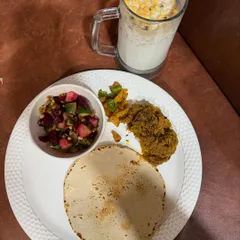

Wholesome Indian Meals and Healthy Side Dishes
More from Healthy Cooking Workshops by Pramila Mundra
More services by Pramila Mundra