Safe Yoga Practice: Avoiding Common Injuries
Yoga should heal, not harm. Here is how I teach my students to listen to their bodies, respect their limits, and build a sustainable practice that serves them for a lifetime.
Incorrect form in Chaturanga is a leading cause of shoulder pain in vinyasa-based practices. This video breaks down how to hold the posture correctly to protect your joints, ensuring your practice builds strength sustainably for years to come.
Kapotasana is an intense backbend that should be approached with extreme caution and awareness, not ego. I advise students to build a strong foundation with preparatory poses like Ustrasana and Laghu Vajrasana and to never force the body just to achieve a shape seen on social media.
Sweating is a natural part of the detoxifying process in Ashtanga yoga. In this video, I explain the traditional advice to rub the sweat back into your skin to reabsorb lost minerals and how to properly rehydrate after practice with natural drinks like coconut water or lemonade with jaggery.
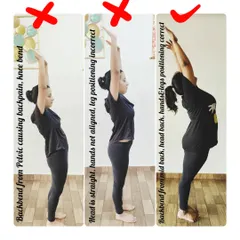
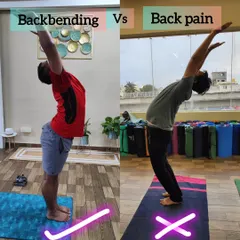
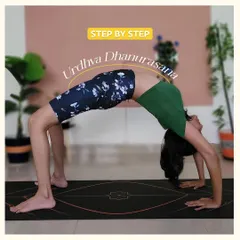
Spinal health is maintained through a disciplined daily practice that includes forward bends, backbends, and twists. This video shows variations of Urdhva Dhanurasana (backbend) and Marichyasana (twist), reminding us that every asana can be modified to suit your body's needs today.
I follow three golden rules for my practice. First, practice with the same discipline you eat daily. Second, if you miss practice, respect your body and do not push. Third, focus more on the breath than the posture, as correct breathing makes everything comfortable.
If your spine is stiff, you feel old, no matter your age. This video demonstrates the "Cat and Cow" stretch, a simple yet powerful movement to maintain spinal flexibility and relieve back and neck pain. Syncing this movement with your breath is a fundamental yogic practice for a healthy nervous system.
About Mindful Practice: Tips for a Safer Journey
Many students fall into the trap of 'no pain, no gain,' but I believe yoga should heal, not harm. Whether we are correcting your Chaturanga alignment to protect your shoulders or learning when to step back from an intense pose like Kapotasana, my goal is to keep you injury-free. Yoga is a lifelong discipline, not a quick fix—if you force your body today, you will pay for it tomorrow.
The most important lesson you can learn on the mat is self-awareness. When you are chasing fancy shapes seen on social media, you stop listening to your body, and that is exactly when injuries happen.
I follow three golden rules to keep my practice sustainable:
- Practice with the same consistency you eat—daily discipline is key.
- Never force a pose; if you feel pain, back off. Respect your body’s limits today so you can return to the mat tomorrow.
- Prioritize breath over posture. If your breath is shallow or strained, you are moving too fast.
Whether you are working on your spinal health with simple movements like Cat-Cow or navigating the complexity of Ashtanga Primary Series, I focus on the basics first. If your spine is stiff, we work on flexibility safely. If you are struggling with Chaturanga, we break it down to save your joints.
Recovery is just as important as the practice itself. I encourage my students to avoid processed sugars and instead rehydrate with natural options like coconut water or lemonade with jaggery. We also discuss how to handle excessive sweating—traditional advice suggests rubbing it back into the skin to reabsorb lost minerals.
Remember, your body is your temple. You do not need to compete with anyone else on the mat. My classes in Dwarka Sector 12 are designed to support you through these challenges, ensuring you build real strength without the ego.
Similar work from other experts
Browse through Curated picks from other experts on mytribe
Learn the Correct Yoga Form for Injury-Free Practice
Mastering Yoga Alignment and Asana Technique
Foundation & Alignment: Perfecting Your Yoga Poses
Master Your Yoga Posture with Proven Techniques
Guided Asana Demonstrations for Safe Yoga Practice
 16
16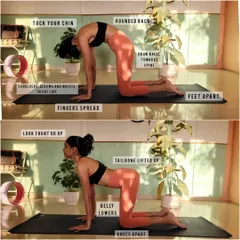
Master Your Yoga Pose Alignment and Safety
More from Ashtanga Yoga Classes by Nitesh Saini
More services by Nitesh Saini