Ashtanga Yoga: Advanced Asanas & Core Strength Training
Advanced postures are not about the final shape, but the years of discipline built into the foundation. Here is how we develop stability, core engagement, and physical resilience through traditional practice.
Karandavasana, or Duck Pose, is a highly advanced arm balance and inversion from the second series. It demands exceptional shoulder stability, core control, and focus. This posture represents years of dedicated practice and the potential of the human body when trained with discipline.
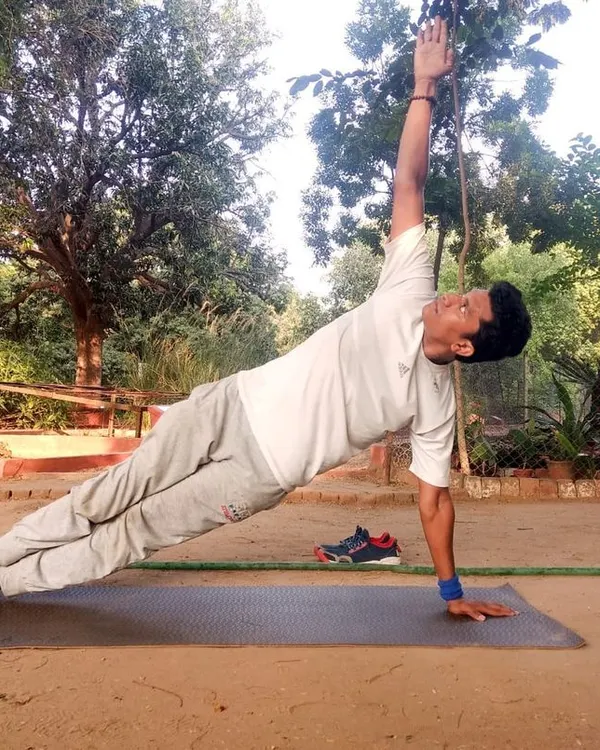
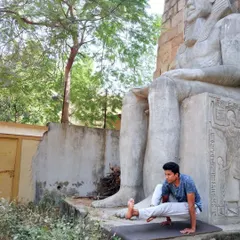
This is a demonstration of Parighasana (Gate Pose) from the intermediate series. This asana is a deep side-bend that stretches the entire side of the body, opens the chest, and prepares the body for deeper pranayama practices by strengthening the spine.
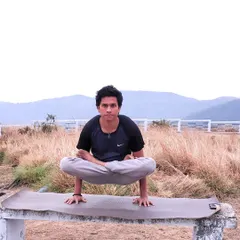
Vatayanasana (Horse Face Pose) is a challenging balancing posture that opens the hips and strengthens the lower back and pelvic region. Because it requires a high degree of balance, it must be learned under the guidance of an experienced teacher to avoid injury.
To build the shoulder strength required for a stable headstand (Sirsasana), you can practice shifting your weight from your head to your forearms. This drill strengthens the muscles around the shoulders and arms, creating the foundation for safe and steady inversions.
Ustrasana (Camel Pose) is a powerful backbend that opens the heart center, or Anahata Chakra. By opening the chest and surrendering into the pose, we learn to release fear and insecurities, making space to receive universal love and compassion.
This video shows a headstand transition drill, moving from Sirsasana into a half-bend and then preparing for Pincha Mayurasana. These advanced transitions should only be attempted after mastering the foundational postures, as they require significant strength, balance, and control.
Holding Urdhva Dhanurasana (Upward Bow or Wheel Pose) for an extended period builds incredible spinal strength and flexibility. Here, I held the pose for over two and a half minutes, a result of consistent practice and specific drills to strengthen the back and shoulders.
Bakasana (Crow Pose) is often the first arm balance a practitioner learns. It teaches the fundamentals of balance, core engagement, and overcoming fear. Daily practice, connecting breath with movement, turns this challenging pose into a joyful and empowering experience.
About Building Strength: Core & Advanced Asanas
Mastering advanced postures like headstands or deep backbends does not happen by brute force. It starts with learning to shift your weight properly, protecting your shoulders, and knowing when to rest. If you are rushing into these shapes, you are skipping the steps that prevent injury. I teach you how to build the foundation first, so the strength comes naturally through consistent, mindful movement.
In the Ashtanga tradition, we do not chase poses. We chase the breath. When you see advanced asanas in this cluster—like Karandavasana or Urdhva Dhanurasana—they are the result of years of daily practice, not quick fixes.
Why Strength Matters
Building strength is about preparing the body for the later limbs of yoga. A strong core and stable shoulders are not just for aesthetics; they are necessary to hold Pranayama postures safely and for long durations. Without the core engagement I teach in my Dwarka Sector 12 studio, the spine remains vulnerable.
The Path to Advanced Practice
- Foundational Safety: Before attempting inversions, we prioritize Surya Namaskar transitions to ensure shoulder health.
- Mindful Progression: You will learn to use props and modifications to maintain alignment while your body adapts.
- Breath-Led Movement: In every private or group session, we focus on Ujjayi breath and gaze points (Drishti). This is what turns a physical workout into a moving meditation.
A Note on Ego
There is no place for ego on the mat. If you try to force a posture because you saw it on a video, you risk injury. My role is to help you understand your body’s current limits and push gently past them. If you are ready to put in the work, show up consistently. All is coming. If you are looking for contortion or aerobics, this is not the place for you. We focus on traditional strength and sustainable health.
Similar work from other experts
Browse through Curated picks from other experts on mytribe
Mastering Advanced Arm Balances and Real Strength
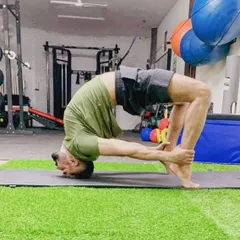
Advanced Asana Practice with Technical Precision
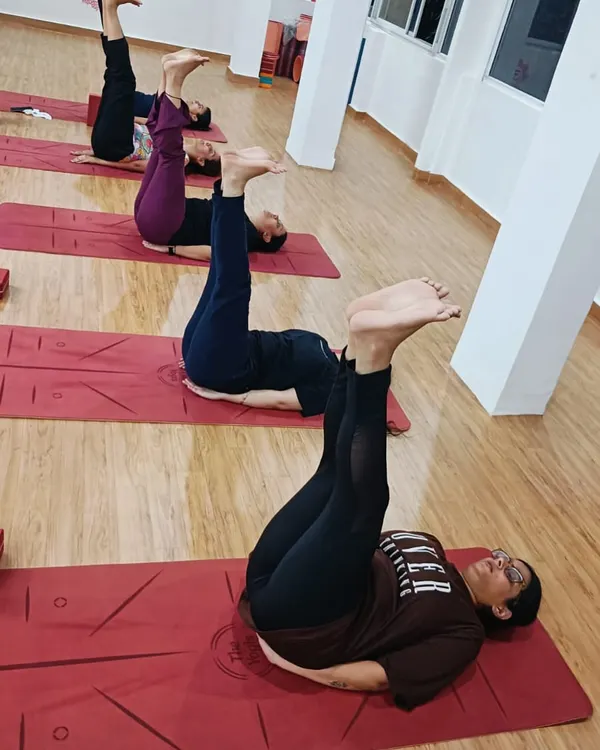 12
12
Building Strength: Core, Flexibility & Endurance
Advanced Ashtanga Yoga Practice in Bangalore
Advanced Asanas & Strength Training
 18
18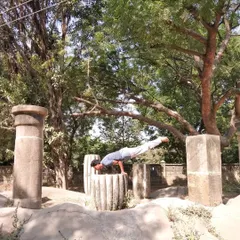
Asanas for Strength & Balance
More from Ashtanga Yoga Classes by Nitesh Saini
More services by Nitesh Saini