Guided Asana Demonstrations for Safe Yoga Practice
Yoga asanas are not just physical shapes. I demonstrate essential postures with a primary focus on breath, structural alignment, and safety precautions to keep your practice sustainable and injury-free.
Sirsasana, or headstand, is a powerful inversion that requires consistent practice. In this video, I demonstrate the steps to safely enter the pose, emphasizing the use of arm and shoulder strength rather than placing weight on the head. I also cover key precautions for a safe practice.
Karnapidasana, or knee to ear pose, is an advanced inversion that provides a deep stretch for the entire spine. This video shows the progression from Sarvangasana (shoulder stand) into the final pose, along with modifications for beginners and a list of its benefits, such as stress reduction and improved digestion.
Should you practice asanas in a dynamic flow or hold them in a static position? This video demonstrates both, using Utkatasana (chair pose) as an example. I explain the benefits of each approach, from improving circulation with dynamic movement to building strength and focus with static holds.
This video showcases a sequence of seven asanas that correspond to the seven main chakras, or energy centers. From Malasana for the root chakra to Padmasana for the crown, this practice is designed to balance your energy and bring harmony to your entire system.
Shitilikarana Vyayama, or mobility practices, are essential for warming up the body and releasing energy blockages. This video shows a dynamic sequence I use in my morning sadhana to prepare the joints for deeper stretches and improve range of motion.
It took me 40 years to feel anchored on my own two feet, and I am giving myself the next 40 to master handstand. This video shows my handstand practice against a wall, reminding us that with the three secrets of abhyasa (long time, without interruption, and with devotion), everything is possible.
This video demonstrates a flow through Kapotasana, or pigeon pose, a deep backbend that opens the heart and stretches the entire front of the body. The sequence shows the careful preparation and release required for such an advanced posture.
This video captures a moment of my personal practice, recreating a photo from 2019 in Eka Pada Sirsasana, or one-legged headstand pose. It is a testament to consistency and how the body remembers, even as the world outside changes.
In yogic culture, Shiva is the destroyer of the ego and limiting beliefs. This video shows a flowing asana sequence dedicated to this transformative energy, moving through poses that embody both strength and surrender.
About Asana Demonstrations
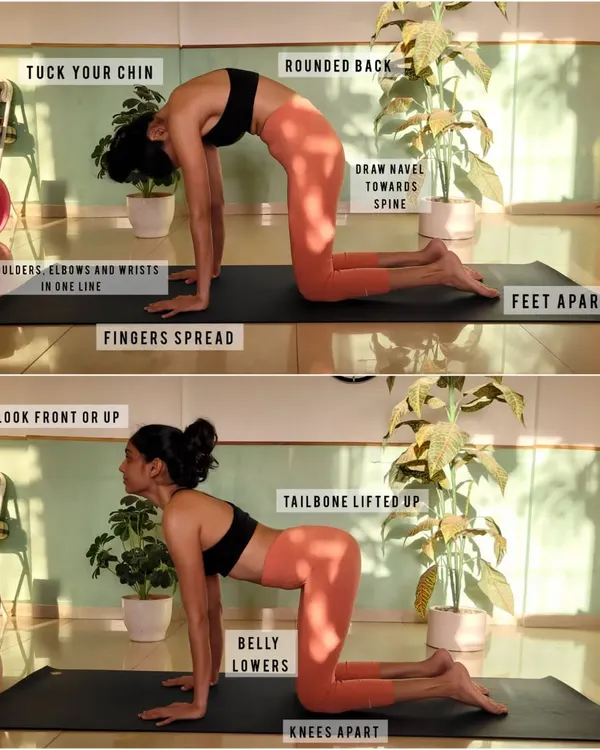
An asana is not a shape to conquer, but a posture you inhabit with breath and awareness. In these demonstrations, I prioritize structural alignment and specific contraindications—such as when to avoid inversions due to menstruation or hypertension—to ensure your practice remains safe and sustainable for your body.
Beyond Performance: The Philosophy of Asana
Many modern classes treat yoga as a workout, pushing bodies into poses without regard for individual limitations. My approach is different. Drawing from classical texts and my own sadhana, I view each asana as a tool for nervous system regulation and self-realization. Whether you are practicing Sirsasana or simple mobility movements, the goal is always to create safety, not discomfort.
Prioritizing Safety and Awareness
Because these practices are often done without a teacher physically present, alignment and contraindications are non-negotiable. For instance, in inversions like Karnapidasana, I emphasize the use of props and the necessity of avoiding the pose if you have specific spinal or cardiac concerns. If you are uncertain about your readiness for a specific posture, it is better to pause and observe than to force the body into a shape it is not yet prepared for.
Static vs. Dynamic Practice
How you practice matters as much as what you practice. Dynamic flows are excellent for circulating energy and loosening joints, while static holds allow you to work with connective tissue and settle the nervous system. I encourage you to listen to your body before you step onto the mat: are you looking for stimulation or a grounding reset?
Remember, yoga is a long-term journey. The 'secrets' of abhyasa—consistency, time, and devotion—are the only path to mastering these postures. Use these videos as a reference to deepen your understanding, but always listen to the signals your body provides.
Similar work from other experts
Browse through Curated picks from other experts on mytribe
Yoga Asana & Alignment Guide
The 100 Asanas Library: Step-by-Step Alignment & Safety
 29
29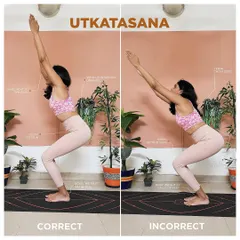
Yoga Pose Tutorials & Alignment Guides
Personalised Yoga Tutorials for Correct Alignment
Mastering Yoga Asanas with Correct Alignment
Master Your Yoga Posture with Proven Techniques
More from Yoga Therapy for Mind-Body Wellness by Manasa Rao
More services by Manasa Rao