Behind the Scenes of Sitar & Instrument Craftsmanship
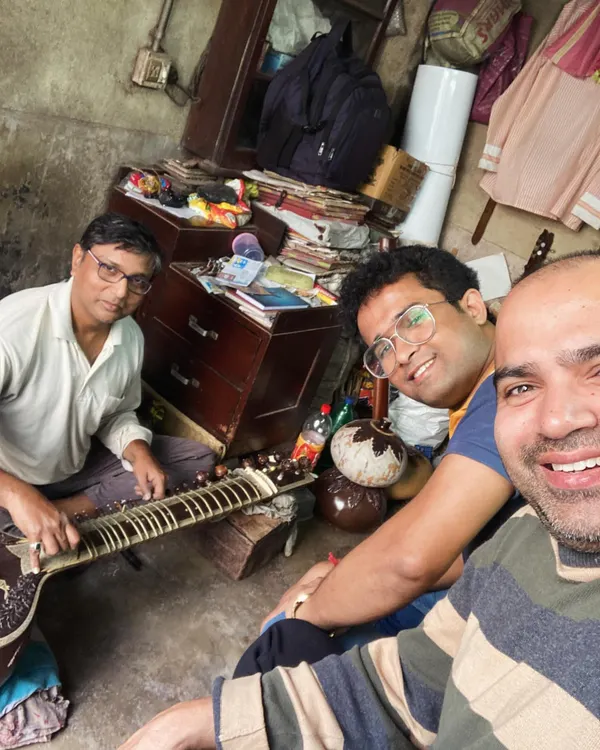
Explore the traditional techniques used in my Miraj workshop. From hand-carving the tumba to precise fret adjustment, see how we maintain the legacy of our 1850s craft.
This video shows the detailed carving work on the body of a sitar. This traditional Miraj style of craftsmanship adds beauty and character to the instrument before the polishing process begins.
Here you can see the process of scraping the surface of a tanpura after the inlay design is set. This makes the surface perfectly smooth and brings out the shine of the wood and the detail of the floral artwork.
Fret setting is a very important step. Here, I am tying the frets onto the neck of the sitar. This has to be done with the right tension to ensure the notes are accurate and the playing is smooth.
A tutorial showing the traditional method for how to tie the frets of a sitar. This is a skill every sitar player should know for basic instrument maintenance and adjustment.
This video demonstrates how to apply the sympathetic strings, also known as taraf taar, on a sitar. These strings are crucial for the instrument's rich, resonant sound.
Precision is key when fitting the tuning pegs. Here, I am drilling the holes for the pegs on a new sitar. This ensures the pegs fit perfectly, making tuning stable and easy for the musician.
About The Craftsman's Process
Getting the bridge filing right is the difference between an instrument that plays and one that performs. I sculpt your jawari based on your specific playing style, ensuring the sustain is exactly where you need it. This precision is why professional artists trust me to handle their concert-ready setups, whether it is a daily practice sitar or a primary performance instrument.
At my workshop in Shaniwar Peth, Miraj, we approach instrument making as an act of worship. Every step, from the moment we source gourds from the banks of Pandharpur to the final French polish, is done by hand, just as my family has done since 1850.
The Anatomy of Tone
- Jawari Adjustment: I do not believe in a one-size-fits-all bridge. I work with you to understand your preference—whether you want an open, buzzing sound or a tight, clear profile—and file the jawari accordingly.
- Fret Setting & Tying: Proper fret tying is critical for intonation. I use industrial nylon for durability and ensure the height is calibrated to prevent buzzing during fast taans.
- Sympathetic Strings: Installing the taraf taar requires balancing tension across the sympathetic range. This is what gives the sitar its signature rich, resonant depth.
Restoration & Repair
If you have an old heirloom, I handle complete restoration. This includes crack repair using acoustic-neutral fillers, scraping away old, dead finishes, and reapplying up to 20 coats of traditional Shellac polish. My goal is always to restore the 'living voice' of the instrument rather than just making it look new. Whether you play a traditional Vilayat Khan style sitar, a modern electric Zitar, or a studio-ready tanpura, I am here to help you get the best sound out of your music.
Similar work from other experts
Browse through Curated picks from other experts on mytribe
 5
5

Sitar Maintenance and Instrument Selection
Sitar Riyaaz and Technique Demonstrations
 9
9

Sitar Workshops & Musical Legacy
 9
9Authentic Indian Classical String Instruments
 8
8
Sitar Performances and Indian Classical Music Workshops
The Art of Sitar Practice: My Daily Riyaaz
More from Indian Instrument Repair, Restoration & Customization by Naeem Sitarmaker
More services by Naeem Sitarmaker