Architectural Design in Mumbai
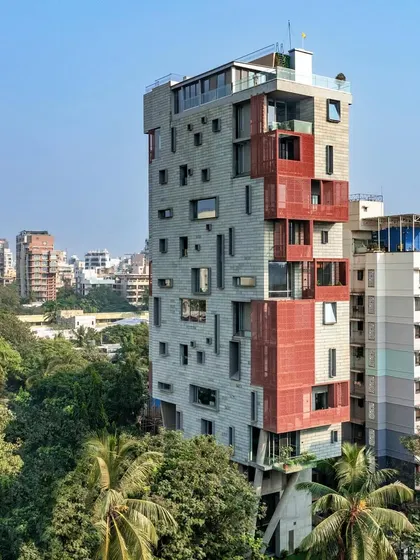
We design buildings by studying the site, using local materials, and working closely with clients so each project fits its place and people.
Pricing Guide
ESTIMATESAbout Architectural Design
What Guides Us
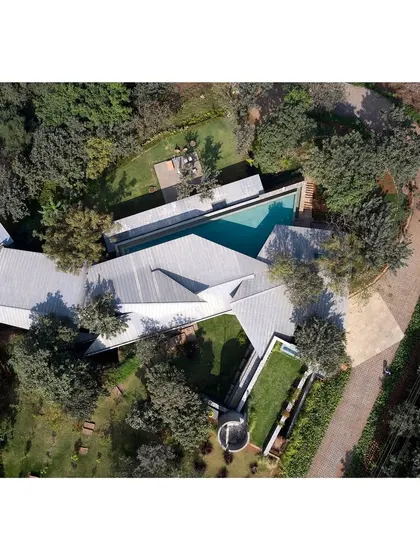
I see architecture as a quiet conversation between the land, spirit, and people. For me, nature isn’t just a backdrop - it’s the main character. I let the site speak first, then respond with design that feels like it belongs. You won’t find a fixed style here; it’s all about balance and letting every space find its own voice.
How I Work
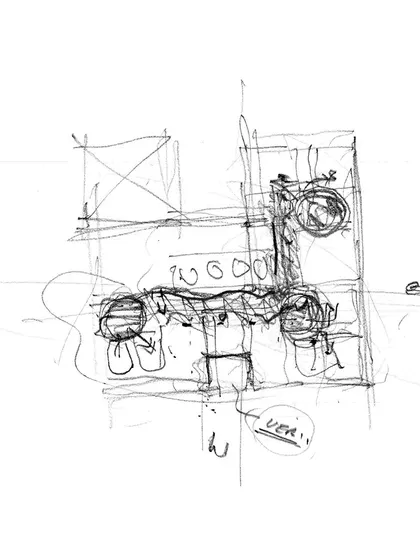
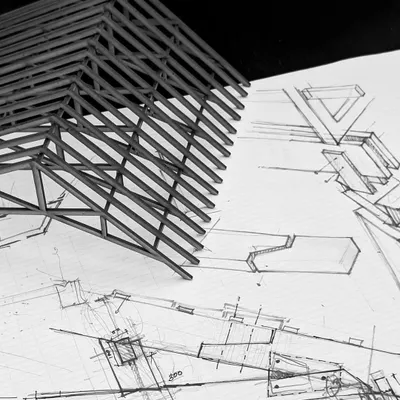
Every project kicks off with proper site study - topography, sunlight, wind, local vibe, and even how people use the land. This isn’t just technical stuff; it’s about getting the feel of the place. My process swings from hand sketches to models, but the real work happens in the back-and-forth with clients. I want the final design language to feel like it came from everyone involved.
Design Tools I Use
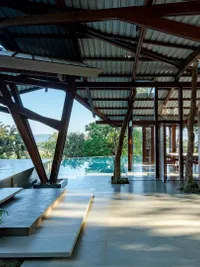
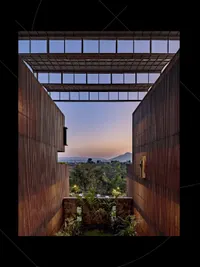
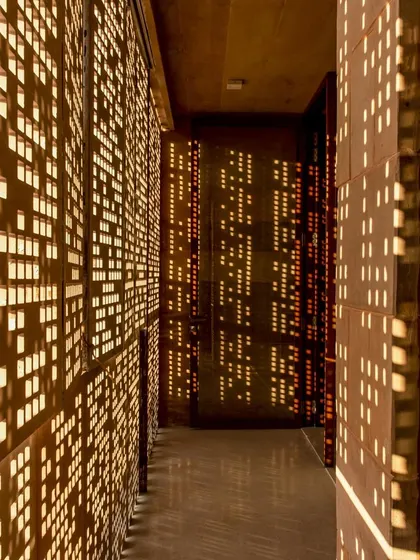
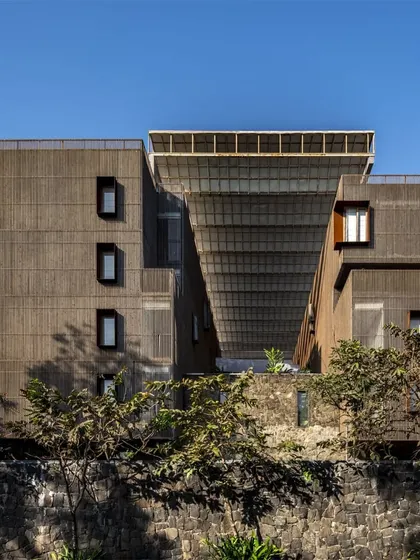
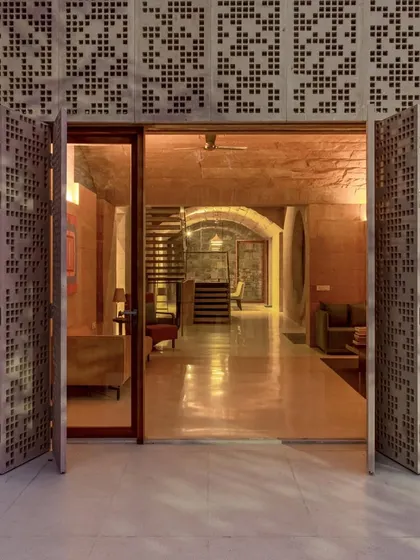
I lean on vernacular architecture elements, like courtyards for light and air, and verandahs that become the soul of the house. Jaali screens, often hand-cut, help with privacy, light, and air. Material-wise, I stick to honest stuff - stone, basalt, whatever suits the place. No fakes, no cladding just for show.
Project Types
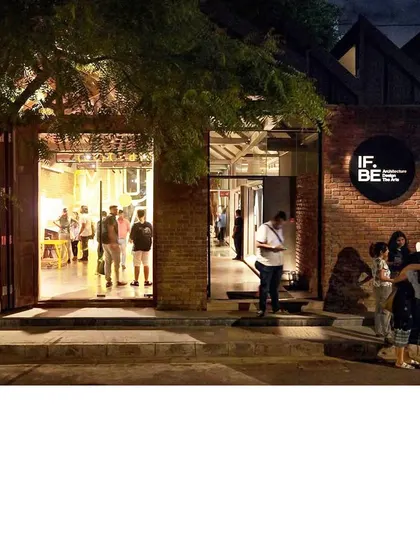
I do private homes that feel like retreats, using passive design strategies to keep things cool naturally. Offices get flipped into ‘campuses’ - dynamic, with stepwells and streets for connection. I also handle adaptive reuse projects, especially restoring heritage sites. Sometimes, it’s more archaeology than architecture, piecing together old stories to give them a new life.
Highlights
Browse through Malik Architecture's best work
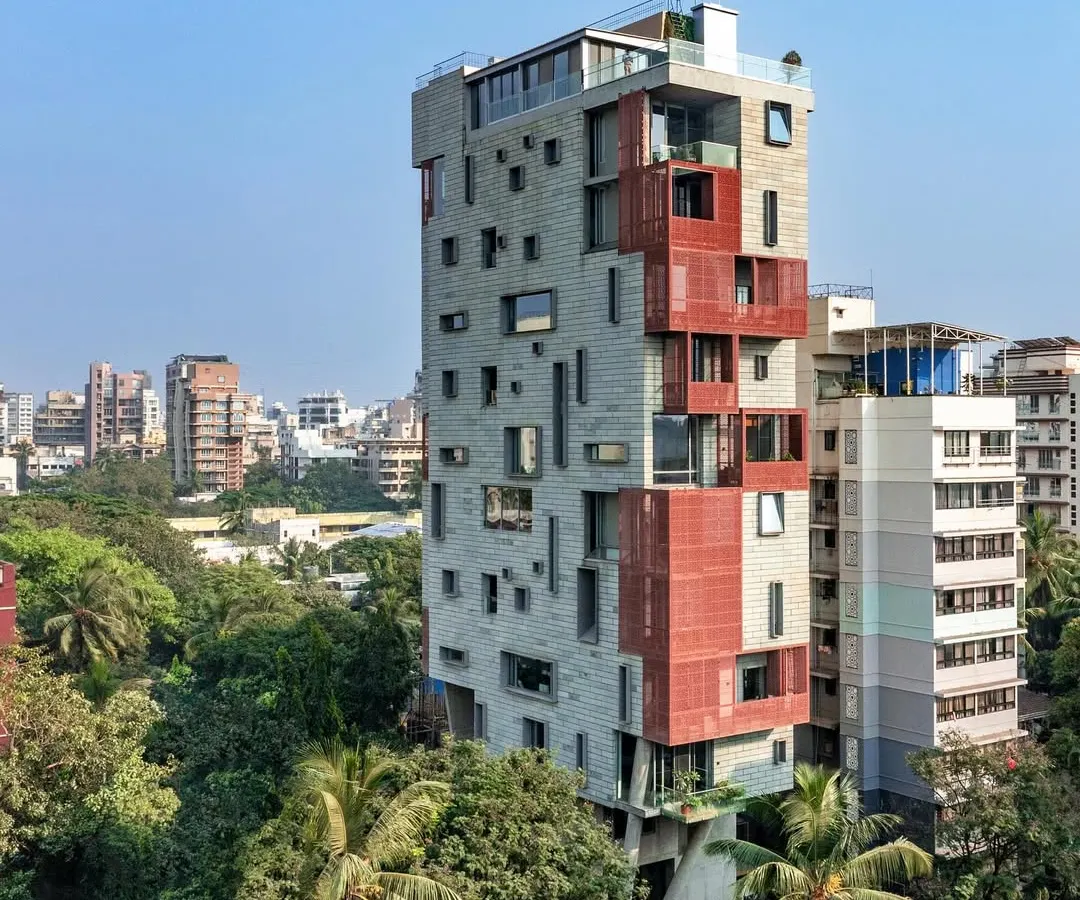
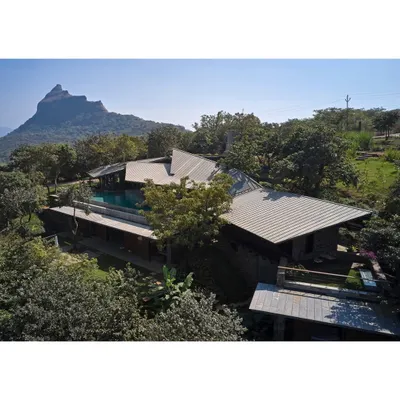
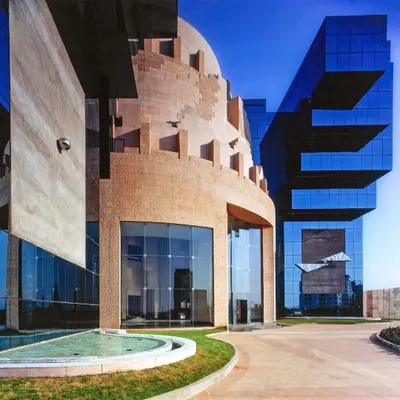
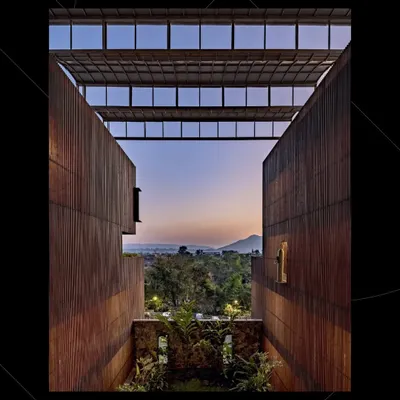
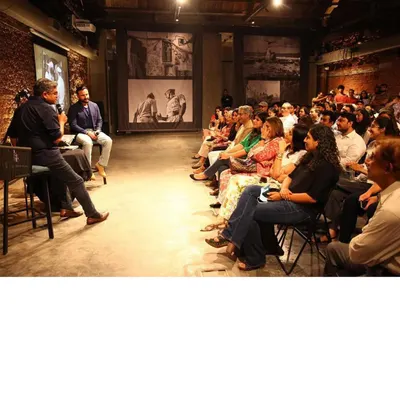
Meet your Expert
Malik Architecture
My Story
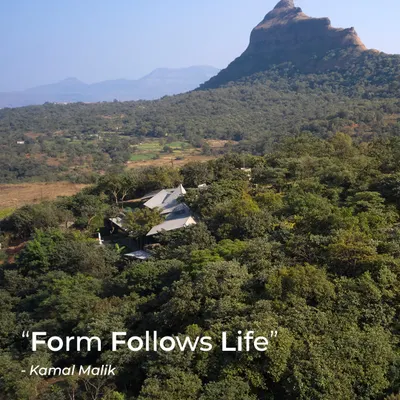
Studied at Cornell, came back home to Bombay—felt lost, honestly. That confusion pushed me into questioning what architects really do. I don’t see myself as some grand 'author', more like a catalyst. Nature leads, we just try to keep up. 'Form Follows Life'—not just a line, it’s how we work. Sometimes the land says something, you just have to listen. Plant seeds, see what grows. No fixed endings, just the search.
My Work
Design & Build Services - We work on architecture and interiors—private homes, villas, commercial HQs, and turnkey projects.
Listening to Place - We start with silence on site. The land, climate, and history guide us, not pre-set plans.
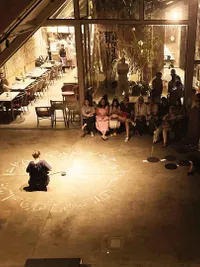
Adaptive Reuse of Heritage - Restoring old Bombay buildings is like archaeology—careful, respectful, sometimes messy, but always honest.
Handmade & Sustainable - We use local, low-impact materials—brick, stone, terrazzo. Handmade stone architecture is our thing.
Design That Feels Right - Good design should feel like it belongs—essential, natural, not forced. It needs spirit.