Our Design Philosophy & Architectural Process
A deep dive into the principles, conversations, and inquiries that define our practice.
My core design philosophy, "Form Follows Life," is a reminder that architecture must serve the essence of life itself. When we obsess over form, we tend to miss the whole point; the starting point must always be a deeper understanding of the context.
A quote that captures my belief that we must move away from an obsession with form and return to the essence, which is life. Before any issue of form can emerge, there must be a certain amount of reasoning and a deeper understanding of the project's purpose.
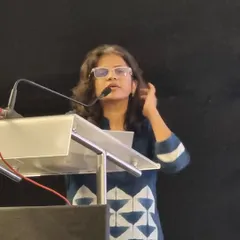
A snippet from my talk at the AZA Conference, where I discussed my practice's search for equilibrium. I believe architects today must be custodians of deep, accumulated intelligence, not to copy the past, but to understand, observe, and evolve from it.
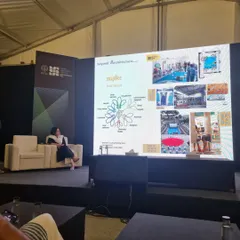
A clip from a talk at the India Design ID Symposium, where I explained the design process for the J-House. I discussed the challenge of designing for a narrow urban site with a harsh western exposure, and how we adapted ground-level architectural attitudes to a high-rise.
An afternoon spent in conversation with Pritzker Laureate Peter Zumthor at IF.BE. It was a special moment to share ideas and discuss architecture in a space that was created specifically for this kind of dialogue and exchange.
Here I am explaining a project model to Peter Zumthor at IF.BE. We discussed the use of local stone excavated from the site to create lotus ponds, a decision rooted in our philosophy of using honest, site-specific materials.
A moment of shared insight with Peter Zumthor at IF.BE, discussing a physical model. These conversations with fellow creators are invaluable, providing new perspectives and reinforcing the sense of a shared architectural community.
Sharing a moment of conversation with Peter Zumthor at the IF.BE space. Creating platforms for creative people to gather, exchange ideas, and collaborate is a fundamental reason why we undertook the restoration project.
Leading a walkthrough and conversation with students from the University of Technology, Vienna. It is always a pleasure to share the story of our projects and engage with the next generation of architects and designers.
Students from Vienna examining a physical model at our IF.BE exhibition. The space is designed to encourage this kind of close study and unconventional engagement, unlike a typical "white cube" gallery.
About Philosophy, Press & People
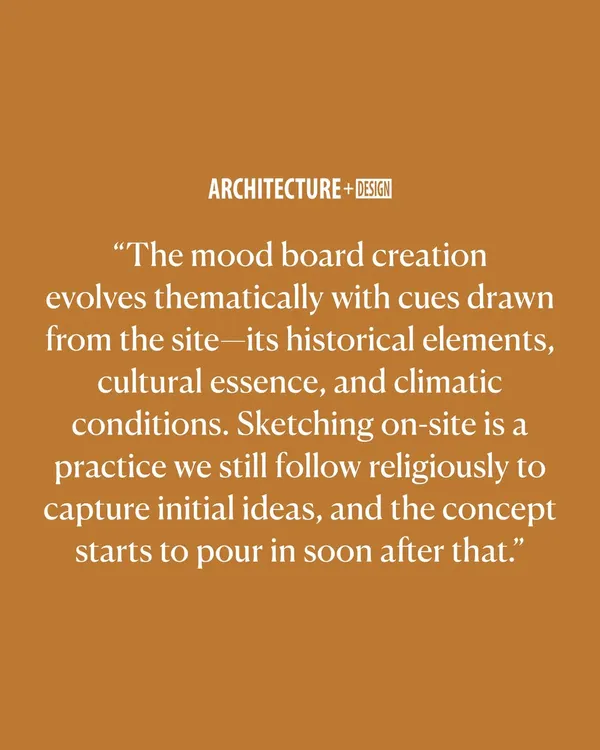
We view architecture not as an act of authorship, but as a forensic examination of a site. Before we sketch a single concept, we study the topography, wind, and historical layers of the land. This ensures that the final design emerges as a natural response to its environment rather than an imposed aesthetic.
Our practice is built on a simple, yet rigorous principle: Form Follows Life. To us, this means that a building must do more than look good; it must function as a living entity that breathes with its occupants. We reject the obsession with visual form for its own sake, preferring to act as catalysts who observe, listen, and then translate the site's needs into spatial reality.
This collection highlights the dialogues that fuel our work. From our exhibitions at IF.BE in Ballard Estate, where we use physical models to stress-test architectural ideas, to our symposium talks where we debate the future of Indian residential design, every interaction is a chance to refine our craft. We believe in the power of physical modeling, whether wood, cardboard, or clay, as a critical tool to understand massing, light, and texture before execution.
Whether we are restoring a heritage structure through an archaeology of material salvage or designing a new commercial campus, the goal remains the same: to create spaces that feel like they have always belonged. If you are looking for an architectural partnership that values site-specific intelligence over generic trends, we invite you to start a dialogue with us.
Similar work from other experts
Browse through Curated picks from other experts on mytribe
 17
17
Our Design Philosophy: The Principles Behind Our Practice
 19
19
Our Principles of Human-Centric Architecture
 14
14
Our Architectural Design Philosophy & Process
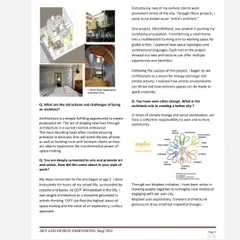
My Architectural Philosophy & Design Journey
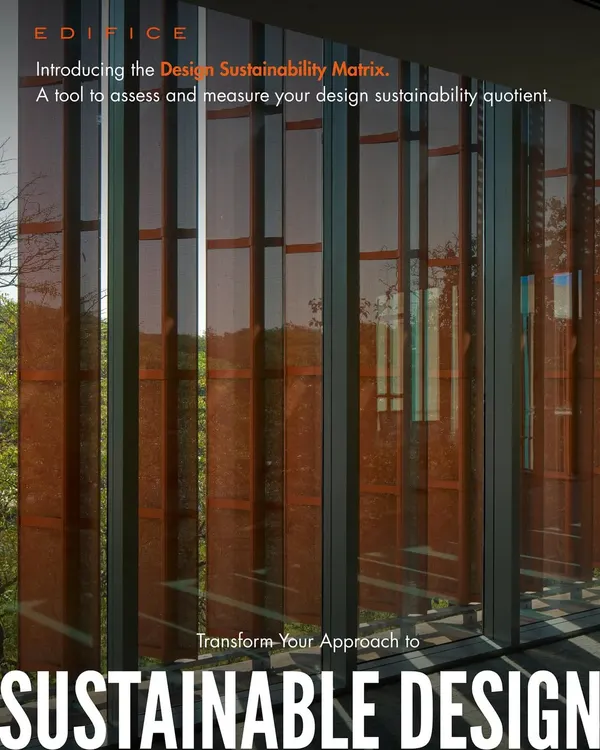 45
45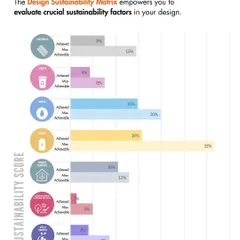
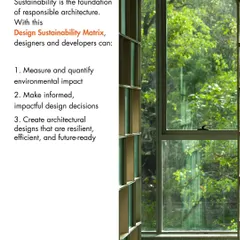
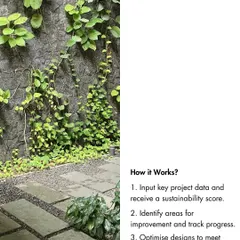
Our Design Philosophy & Sustainable Architectural Process
Our Architectural Design Process & Philosophy
More from Architectural Design by Malik Architecture
More services by Malik Architecture