The Science of Healthy Fat Loss
Losing weight isn't just about the number on the scale. Understand the science of metabolic adaptation, calorie deficits, and how to lose fat while keeping your muscle—all while eating your favorite home-cooked meals.
The foundation of fat loss is a 70% focus on diet and 30% on exercise. I teach you to create a moderate calorie deficit of about 20% and eat a balanced diet of protein, carbs, and fats. This is the key to losing fat, not just water and muscle.
A balanced diet is the best diet for fat loss. This means controlling your total calorie intake for the day and ensuring you get the right balance of macronutrients. Avoid extreme diets that have you eating only one type of food.
"I'm eating less, but not losing weight." This happens due to metabolic adaptation. When you eat too little for too long, your body slows down its metabolism to conserve energy. This is why crash diets and shake-based programs fail in the long run.
Why do you gain weight even without eating oily food? Because total calories matter. Excess carbohydrates from rice, chapati, or even sugar get converted into fat if you are inactive. Weight gain is about calories in versus calories out.
To lose fat and not muscle, you must follow three rules. First, eat enough protein (1-2 grams per kg of body weight). Second, maintain a moderate calorie deficit. Third, incorporate resistance training to preserve your strength.
To lose 10 kg in a month, you need a daily calorie deficit of over 2500 calories, which is impractical and unhealthy. A realistic goal is to lose about 1% of your body fat per week. This ensures you are losing fat, not muscle and bone.
To lose 5 kg in a month, you need to create a total deficit of 38,500 calories. I break down the math for you, showing how a combination of a 20% diet deficit and exercise can help you achieve this goal in a healthy, sustainable way.
Here's the math for losing 5 kg in a month. It requires a daily deficit of about 1283 calories. I explain how to create this deficit through a combination of diet, walking, and strength training, without starving yourself.
If you are already at a decent weight but want to look more toned, you need body recomposition. This involves eating at maintenance calories with high protein and doing strength training to build muscle and lose fat simultaneously, without the number on the scale changing much.
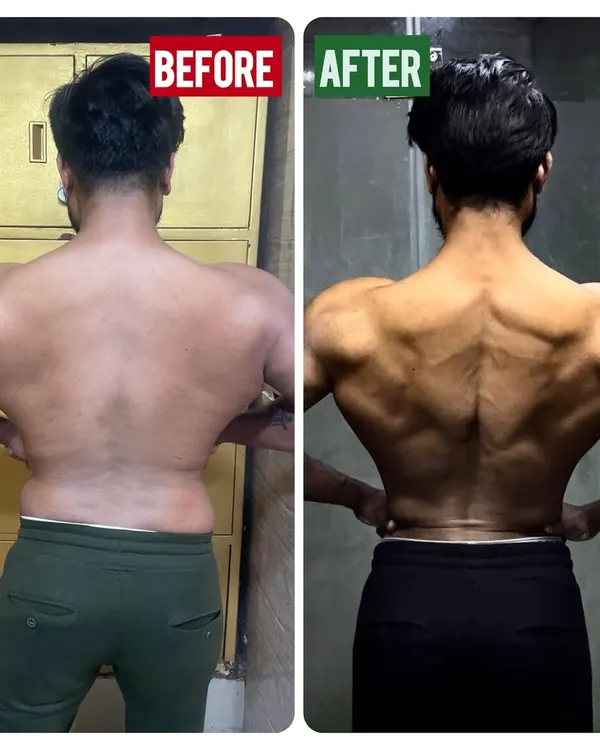
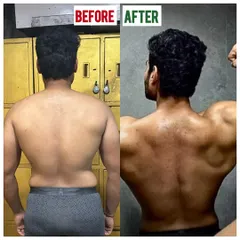
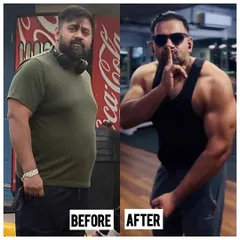
Don't just rely on the weighing scale. Daily weight can fluctuate due to water, sleep, and stress. Track your progress with a measuring tape and progress photos in the same dress to see the real changes in your body composition and inch loss.
About The Science of Healthy Fat Loss
You might be eating less, but if you are not seeing fat loss, your metabolism has likely adapted to the restriction by slowing down. My method fixes this by balancing your macronutrients—specifically increasing protein intake—and creating a calculated 20% calorie deficit, which ensures you lose fat while keeping your muscle strength intact.
The Math of Sustainable Fat Loss
Many people confuse weight loss with fat loss. When you crash diet, you lose water weight and precious muscle mass, which actually makes it harder to keep the weight off long-term. My protocol is simple: we create a moderate calorie deficit of 20% rather than starving. This allows you to lose roughly 1% of your body fat per week while maintaining your energy levels.
Why Your Scale Lies
Daily weight fluctuations are normal and often caused by water retention, sleep, or stress. If you track your progress only by the scale, you will get frustrated. I teach my clients to use a measuring tape or consistent progress photos to track inch loss, which is the true indicator of body composition change.
The Role of Protein
Protein is non-negotiable. To preserve muscle during a fat loss phase, you need between 1 to 2 grams of protein per kilogram of body weight. Whether you are vegetarian or non-vegetarian, we integrate this into your existing lifestyle using natural home foods like ragi, jowar, pulses, and lean meats.
Metabolic Adaptation
If you have spent months on extremely low-calorie diets, your body has likely lowered its metabolic rate to survive. We don't fix this by eating even less. We fix this by gradually increasing your intake while adding resistance training, allowing your body to start burning fat efficiently again.
Similar work from other experts
Browse through Curated picks from other experts on mytribe


Your Fat Loss Roadmap to Sustainable Health
Sustainable Fat Loss and Muscle Building for Real Results
 11
11
A Simple Guide to Fat Loss
 12
12
Fat Loss & Definition Coaching for a Lean Physique
The Science of Your Body: Understanding Weight Loss
Nutrition Without The Nonsense
More from Weight Loss & Body Recomposition Program by Kiran Sagar