Defending Privacy and Constitutional Rights in the Digital Age
Surveillance is not just about data. It is an assault on democracy. My work focuses on challenging illegal snooping, securing digital freedom, and ensuring our constitutional right to privacy remains inviolable.
I was furious at the government's response to the Pegasus revelations, which appeared to admit that the phones of judges, lawyers, and opposition leaders had been illegally hacked. This is an attack on the very foundations of our democracy.
To those who say "if you've done nothing wrong, you have nothing to hide," I argue that everyone has something to hide. Your legally privileged conversations with your lawyer should not be accessible to the government you may be fighting in court.
Consider the Bhopal gas disaster litigation. Should the government or corporations know what a judge is thinking about the case? The use of spyware compromises the integrity of our entire justice system.
If a Supreme Court judge's personal life could be used for blackmail by the government, the largest litigant before our courts, how could justice ever be impartial? This is the danger of unchecked surveillance.
If the allegations of state-sponsored hacking are true, it is evidence that the government has weaponized our state apparatus against its own citizens, hacking away at justice, democracy, and the intimate lives of key individuals.
The Supreme Court's appointment of an expert committee to investigate the use of Pegasus software was a good day for the right to privacy. Now we must ensure the investigation is thorough and its findings are acted upon.
About Defending Privacy in the Digital Age
If you are concerned about digital surveillance or the security of your privileged communications, understand that the legal framework for privacy in India is evolving. We do not just file petitions. We identify the precise points of state overreach where Article 21 rights are violated. Whether it is an issue of spyware on your device or the unauthorized monitoring of professional legal correspondence, the strategy begins with assessing the technical breach and framing it as a constitutional emergency.
The Constitutional Reality of Privacy
In my practice before the Supreme Court and Delhi High Court, I see privacy not as a luxury but as the bedrock of a free society. When we discuss digital rights, we are often talking about the protection of Article 21, which covers the right to life and personal liberty.
Why Surveillance Is A Legal Issue
Surveillance is not merely a technical annoyance. It is a weapon used to intimidate dissenters, journalists, and anyone fighting the establishment.
- Privileged Communication: If the state can access conversations between a lawyer and a client, the entire legal system loses its integrity. This is not just a breach of data. It is a breach of justice.
- State Apparatus: When state resources are used to hack citizens, it distorts the balance of power. I have dedicated my practice to pushing back against these excesses, ensuring that individuals, regardless of their political standing, have legal recourse.
How I Approach Privacy Litigation
My strategy involves a three-pronged approach:
- Technical Vetting: Working with forensic experts to establish the breach, as seen in the Pegasus litigations.
- Constitutional Framing: Moving beyond technical arguments to show how the surveillance violates fundamental principles of democracy and autonomy.
- Seeking Accountability: Demanding not just explanations, but the setting up of expert committees and strict judicial oversight.
Privacy is not about having nothing to hide. It is the right to keep your life, your thoughts, and your professional strategy confidential from those who hold power over you.
Similar work from other experts
Browse through Curated picks from other experts on mytribe
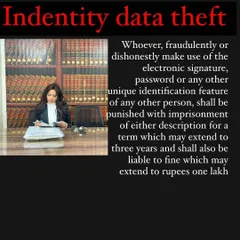
Legal Action Against Cybercrime, Fraud, and Defamation


Defending Fundamental Rights and Media Freedom
 7
7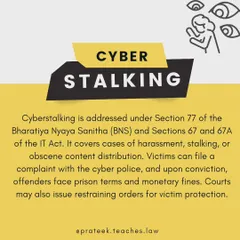
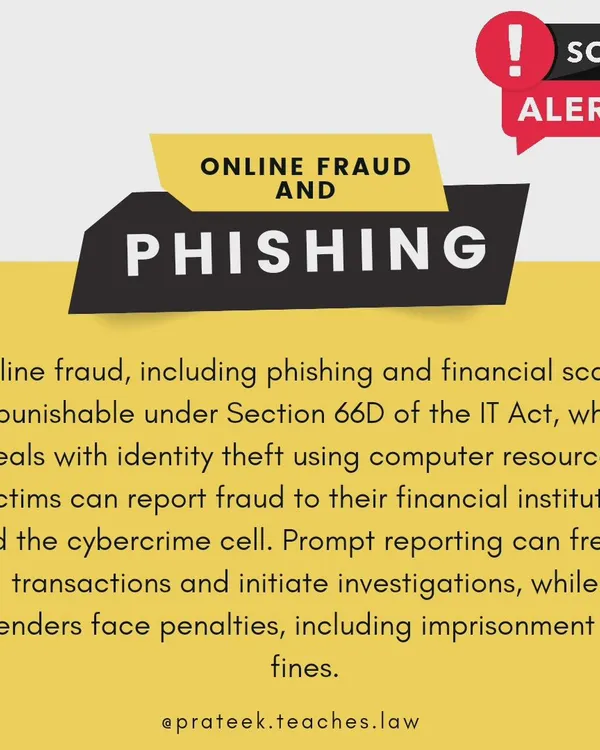
Understanding Your Rights in Cyber Law
Cyber Law and Digital Safety Awareness
 6
6
Professional Legal Representation and Cyber Law Expertise
Practical Legal Advice for the Common Person
More from Constitutional Law & Human Rights by Karuna Nundy
More services by Karuna Nundy