Defending Fundamental Rights and Media Freedom
When authority oversteps or your voice is silenced, you need more than just legal paperwork. I step in to challenge systemic abuse and protect your constitutional rights, whether you are an individual or part of the media.
In this televised debate, I passionately defend the freedom of the press. I argue that filing hundreds of FIRs is a misuse of the judicial system to harass journalists, and that the Supreme Court's intervention to club these cases together was a landmark step for media freedom.
The Supreme Court hearing on the breach of privilege notice against Arnab Goswami was a pivotal moment for press freedom. It highlighted the tension between legislative privileges and the fundamental right to report and comment on matters of public interest.
As part of a news panel, I provided my legal perspective on the Supreme Court's suo motu cognizance of the COVID-19 crisis. These discussions are vital for public understanding of how the highest court exercises its constitutional authority to protect citizens' right to life and health.
The Prashant Bhushan contempt case sparked a national conversation about the scope of contempt law in India. My view is that while the judiciary must be respected, the law should not be used to stifle constructive criticism or calls for accountability.
The passage of the Triple Talaq Bill was a landmark moment for constitutional rights, particularly for gender justice. It criminalized a practice that was arbitrary and unconstitutional, affirming the principle of equality before the law for all citizens.
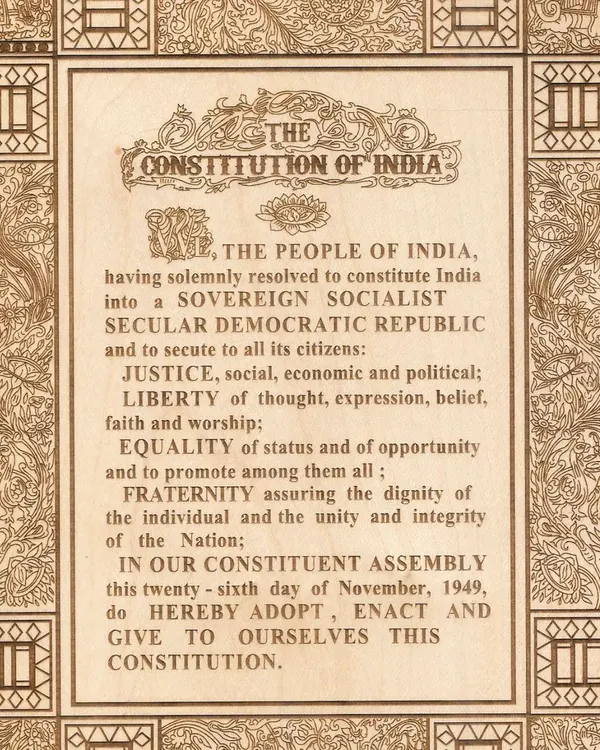
On Ambedkar Jayanti, we honor the architect of our Constitution. Dr. B.R. Ambedkar's vision of liberty, equality, and fraternity is the foundation of my legal practice and the rights I fight to protect for every Indian.
This is the guiding principle of my work in constitutional and administrative law. True liberty is preserved not by granting more power to the government, but by establishing clear limits and checks on that power.
About Defending Fundamental Rights & Media Freedom
When the state registers multiple FIRs against you to stifle dissent, the goal is often harassment, not investigation. My strategy focuses on getting the Supreme Court to club these cases together, ensuring the legal process does not become a tool for intimidation. We do not just draft petitions; we argue for interim relief to stop the arrest before the case even picks up pace.
The Constitution is my north star, and fighting for freedom of speech is not just my profession, it is a conviction. When you are hit with multiple FIRs in different states, the intent is rarely justice. It is to force you into a corner, making it impossible to defend yourself effectively.
My approach relies on solid research and sharp legal arguments. I look at every case through the lens of constitutional violation—whether it is Article 19, Article 21, or Section 482 of the CRPC.
Why my approach works:
- Consolidation of FIRs: I focus on moving the Supreme Court to club various complaints, so you aren't fighting on five different fronts simultaneously.
- Interim Relief: I push for immediate protection from arrest during the admission hearing. You cannot defend your rights from behind bars.
- Challenging Abuse: Whether it is media trials or political cases, I tackle the misuse of investigative agencies like the CBI or CVC. I believe that an argument should be won with intellect, not by using muscle.
Legal processes are not rocket science, but they require a clear head and a deep understanding of precedent. If you are being silenced, you have the right to question the government. Let’s sit down, review the facts, and build a defense that stands up to the highest courts.
Similar work from other experts
Browse through Curated picks from other experts on mytribe
 27
27

Upholding Democracy & Free Speech
Advocacy and Human Rights: Fighting for the Voiceless
Legal Advocacy and Systemic Justice Reform
 7
7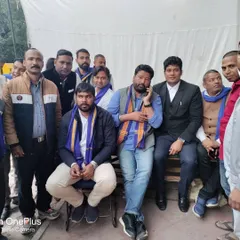
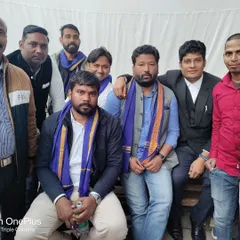
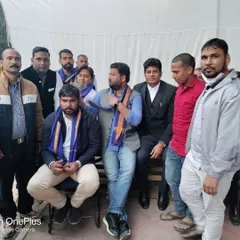
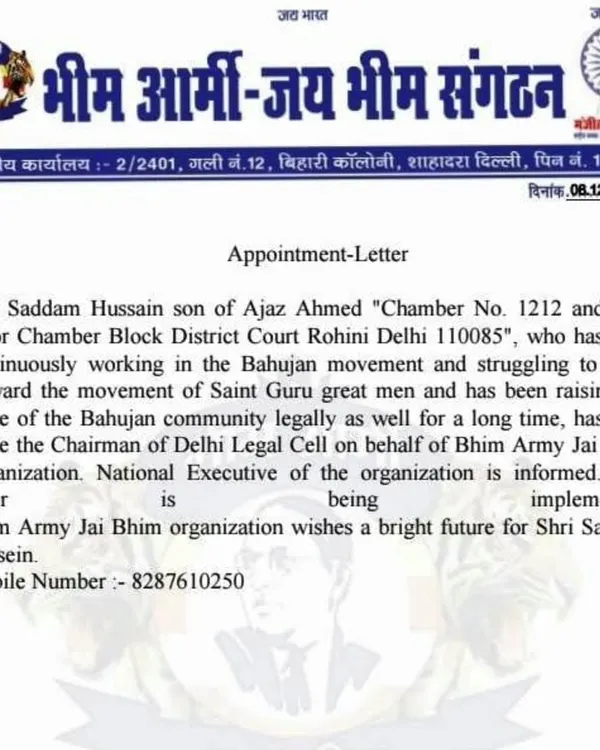
Fighting for Your Rights and Social Justice in Delhi
 4
4
Legal Defense and Navigating Criminal Proceedings
 20
20


Fighting for Justice in the Delhi Courts
More from Constitutional & Administrative Law by Kapil Sankhla
More services by Kapil Sankhla