Mumbai's Coastal Secrets: Marine Wildlife Photography
Most people see our city's beaches as just sand and surf. If you look closer at the tide pools, you will find an entire world of sea snakes, anemones, and crabs living right beneath our feet.
A Pearly Sea Anemone, the most common anemone on Mumbai's sandy shores. This shot, taken on my phone, shows the unexpected beauty you can find if you just look closely.
A Bamboo Shark washed ashore, likely discarded as bycatch by fishermen. This black and white photo is a stark reminder of the threats our marine wildlife faces.
A heartbreaking sight: a Hook-nosed Sea Snake killed and hung on a boat, likely out of fear. This highlights the urgent need for awareness and education about our coastal ecosystem.
A non-venomous File Sea Snake, also killed and discarded. Every life in the ocean matters, and these unnecessary deaths disrupt the delicate balance of the marine world.
A File Snake on the sand, with fishing boats in the background. I use my phone for wide-angle shots like this to show the animal in its habitat and tell a bigger story.
A vibrant Blue Button (Porpita porpita) washed ashore on Juhu beach. These harmless, jellyfish-like creatures are natural indicators of the changing seasons, arriving with the pre-monsoon winds.
A Malacca Sea Snake on the sand. While venomous, these snakes are shy and play an important role in the marine food web.
A File Snake at the water's edge. While not as common as other species, there are a few locations along Mumbai's shore where these non-venomous snakes are thriving.
Who knew hermit crabs were this cute? I saw hundreds of them going about their day on the beach, a truly amazing sight.
A Banded Bead Anemone in a tide pool. This is part of my World Wildlife Day series, showcasing the incredible and often hidden biodiversity of Mumbai's marine habitats.
About Mumbai's Coastal Secrets
Capturing these images is rarely about having the most expensive gear. Often, I am down on the sand at low tide with just my phone, waiting for the right moment to frame a pearly sea anemone or a file snake in its natural habitat. It requires patience and a bit of mud on your clothes, but that is the only way to truly see what actually lives on our shores.
The coastline of Mumbai is far more than a recreational space. It is a complex ecosystem that thrives in the intertidal zones of beaches like Juhu and rock patches at Bandra Bandstand.
My approach to documenting this marine life is driven by conservation. When I photograph a Blue Button or a file snake, I am not just looking for a beautiful composition. I am documenting the presence of species that act as indicators for the health of our waters.
The Reality of Our Shores
It is not always a pristine experience. You will often see the harsh side of coastal life, such as bycatch discarded by fishing nets or snakes killed out of human fear. These images are as important as the ones featuring vibrant anemones. They serve as a necessary reminder that our urban development and local fishing practices have a direct impact on marine biodiversity.
Field Technique
- Tide Pool Exploration: I track the tidal movements closely to find species when they are most active.
- Ethical Distance: Whether I am using a macro lens or a wide-angle setup, I keep a respectful distance. Wildlife welfare always comes before the photograph.
- Natural Light: I prefer shooting during the golden hour or overcast mornings, as harsh midday sun flattens the textures of marine life.
If you are interested in exploring these habitats, I often run field expeditions. We do not just take pictures. We learn how to track animals, understand tide cycles, and respect the fragile balance of the coast.
Similar work from other experts
Browse through Curated picks from other experts on mytribe
 8
8
The World in Miniature: Macro Photography in Mumbai
 11
11
The Urban Leopard: Mumbai's Secret Neighbours
 21
21
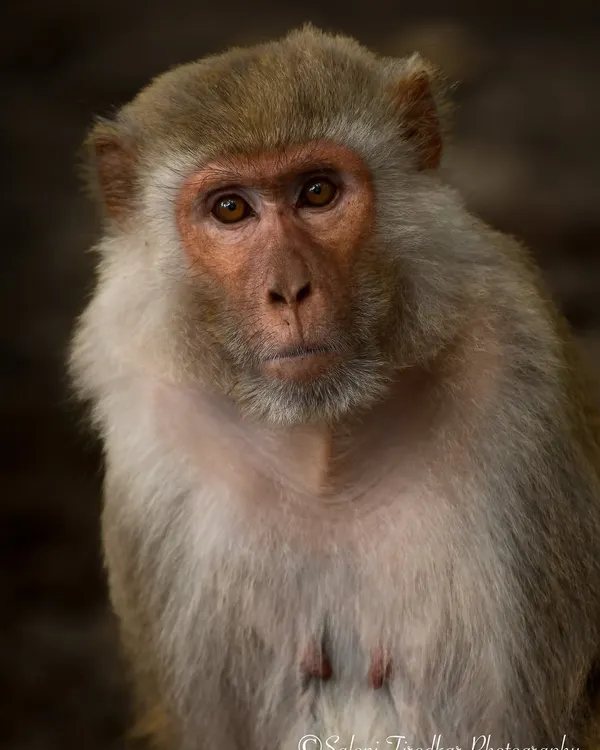
Creatures Great and Small: Portraits of India’s Biodiversity
Wildlife Videography in Navi Mumbai's Wetlands
 12
12
Aerial & Seascape Photography in Mumbai
 7
7
Wildlife Photography Beyond Birds: Capturing Hidden Creatures
More from Wildlife Photography by Karan Solanki
More services by Karan Solanki