Capturing the Elements: Storms & Stars
I track weather patterns and clear night skies to photograph the raw energy of Mumbai's monsoons and the deep stillness of the cosmos.
A powerful lightning bolt spreads across the night sky over the Mumbai sea and the Trans Harbour Link, captured with a drone.
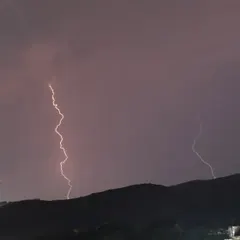
Multiple forks of lightning strike behind the hills in Pune, creating a spectacular natural light show.
A long-exposure shot creates star trails in the night sky above a palm tree, showing the rotation of the Earth.
A glimpse of the Milky Way galaxy is visible in the night sky over Pune, captured from a balcony.
A massive fork of lightning strikes downwards, perfectly framed between the tall buildings of Mumbai at night.
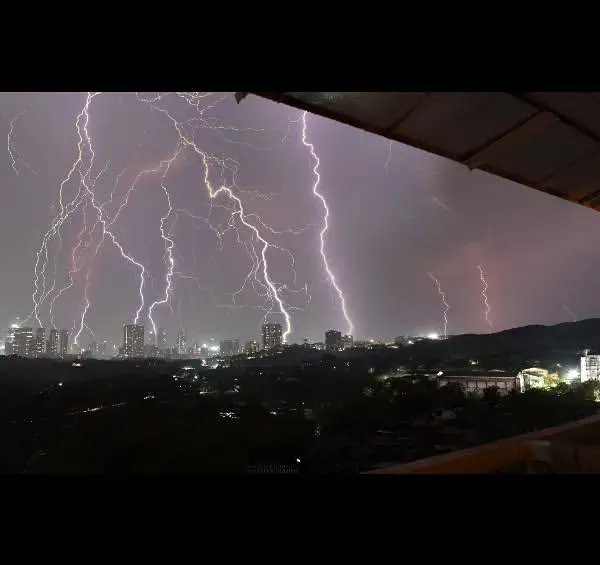
Multiple streaks of lightning spiderweb across the sky above Mumbai's illuminated skyscrapers.
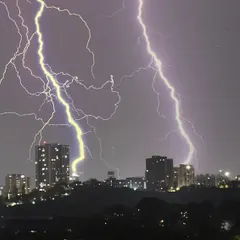
A lightning bolt strikes down behind a tall residential building in Mumbai during a thunderstorm.
A horizontal lightning bolt flashes across the sky above a cluster of buildings in Mumbai.
A single, bright lightning strike is captured in the cloudy night sky over Mumbai.
Thin tendrils of lightning spread across the sky during a Mumbai thunderstorm.
About Capturing the Elements: Storms & Stars
Capturing a lightning strike or a clear Milky Way frame is less about luck and more about timing. I manage the long-exposure settings and the delicate post-processing required to balance high-contrast night skies with urban illumination, ensuring the final image retains the raw intensity of the storm.
The Patience of Storm Photography
Storm photography is a test of preparation. In Mumbai, the monsoon provides dramatic lightning, but capturing it effectively requires a mix of steady gear, safe vantage points, and quick shutter reactions. I focus on those 'nature's rave' moments—the brief flashes that silhouette the skyline. I don't rely on auto-mode; I manually control exposure to ensure the bolt is crisp against the clouds without blowing out the city lights below.
Astrophotography and Long Exposure
When the weather clears, I shift to deep-sky work. Photographing the Milky Way or creating star trails requires getting away from light pollution. I use long-exposure techniques to track the Earth's rotation, resulting in images that reveal the movement of the stars over landscapes. This process is time-intensive, often involving stacking hundreds of frames taken at specific intervals to visualize the rotation of the night sky over rural or coastal backdrops in Maharashtra.
My Technical Approach
- Storm Chasing: I monitor weather patterns to anticipate the best times for dramatic lightning strikes, ensuring I am positioned safely while keeping a wide field of view.
- Lightroom Processing: The raw data from night photography is often dark and noisy. My editing process in Lightroom and Photoshop is designed to pull out the hidden details in the clouds or the night sky without introducing unnatural artifacts.
- Equipment: I use a combination of DSLR gear and drone technology, depending on whether I need a ground-level perspective of the skyline or an aerial view of the storm clouds from a higher vantage point.
Similar work from other experts
Browse through Curated picks from other experts on mytribe
 6
6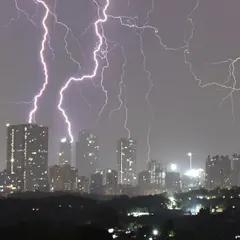
Chasing Storms and Stars Nature Photography
Expert Low-Light Photography & Long Exposure
 15
15


Creative Perspectives: Capturing Mumbai’s Hidden Beauty
 22
22
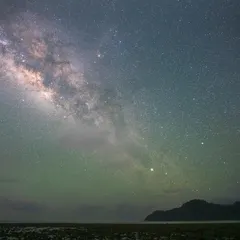
Astrophotography Fine Art Prints of the Milky Way
 42
42

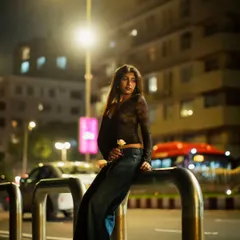
Moody Night Portraits in Mumbai
 24
24


Dramatic Flash & Night Photography
More from Travel & Documentary Photography by Jdopat
More services by Jdopat