Growing Your Own Food: From Seed to Harvest
Most people focus on the final harvest, but I find the real magic happens during the first few weeks of growth. Whether you are planting spinach or cherry tomatoes, understanding how a plant starts its life changes how you care for it...
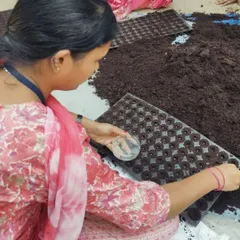
It all begins here. My engineer Sumanth is helping sow seeds for the next cycle. This careful, hands-on work ensures we start with strong, viable plants for your farm.
A view of our nursery, filled with trays of colorful microgreens and saplings. I nurture these young plants until they are ready to be transplanted into your home system.
A top-down view of okra seedlings just beginning their journey. Seeing these first leaves, or cotyledons, emerge is always a magical moment.
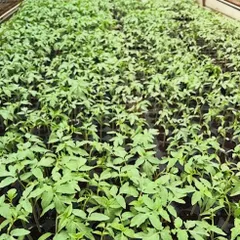
Tiny tomato saplings sprouting in their germination tray. From this humble start, they will grow into tall vines producing fruit for months.
A look at some of the different saplings getting ready for their new homes. You can see the distinct shapes and colors of beetroot, okra, and lettuce.
More of our healthy young plants, including spinach and bean saplings, ready for transplanting. Providing robust starters is key to a successful home farm.
The journey continues. These young, green tomatoes are the first sign of a future harvest. This is an indeterminate variety, meaning it will keep producing fruit over a long season.
I love watching the full spectrum of colors as tomatoes ripen on the same vine. This is something you only get to see when you grow your own food.
The reward. A basket of perfectly ripe tomatoes, picked just moments ago, sitting right next to the plants they grew on. This is the definition of farm-to-table.
My farm manager, Hemanth, with the day's harvest. We ensure a steady supply of fresh produce, moving from our pods directly to the kitchen.
About From Seed to Harvest
Don't stress about the early germination phase. I start everything in my nursery first because those first few weeks are critical for long-term plant health. When I hand over a tray of saplings to you, they are already strong, acclimatized, and ready to thrive in your vertical system, bypassing the unpredictable early growth phase.
The Nursery Advantage
Hydroponics is not just about the equipment. It is about biology. My team and I run a specialized nursery where we control the environment for seeds. We monitor light, humidity, and nutrient concentrations carefully. When you see our saplings, you are looking at plants that have already cleared the toughest hurdle of their lifecycle. By the time they reach your balcony or rooftop, they are robust enough to withstand the shifts in Bangalore weather.
Moving from Pod to Plate
Once the seedlings are ready, we transplant them into your specific setup. Whether you have a vertical A-frame or a larger polyhouse structure, the transition is seamless. We use an inert substrate like LECA or perlite instead of soil, which eliminates the risk of soil-borne pests. This creates a clean slate for your vegetables to focus entirely on growth.
Ongoing Guidance
My work does not stop at installation. Watching a plant grow from a tiny leaf into a harvestable vegetable is a hands-on experience, and I provide support through your first full cycle. You will learn how to monitor your TDS and pH levels, how to identify if a plant needs more nutrients, and how to prune for maximum yield. From the first sprout to that basket of cherry tomatoes, I am here to ensure you understand the process.
Similar work from other experts
Browse through Curated picks from other experts on mytribe

Grow Organic Vegetables at Home in Bengaluru
 7
7Growing vegetables from seed to sabzi
Nurturing Healthy Seedlings for Your Organic Garden
Vegetable Patches, Raised Beds and Home Growing
Grow Your Own Food: Organic Herbs & Veggies at Home
Growing Your Own Organic Vegetable Garden at Home
More from Home Hydroponics System Setup by Hydrolore
More services by Hydrolore