Home Hydroponics System Setup
Available across Bengaluru
Pricing Guide
Vertical Balcony Garden Setup (30-40 Plants)
Structure & Hardware
- Frame: Custom-fabricated vertical A-frame or wall-leaning structure made of powder-coated Mild Steel (MS) for rust resistance.
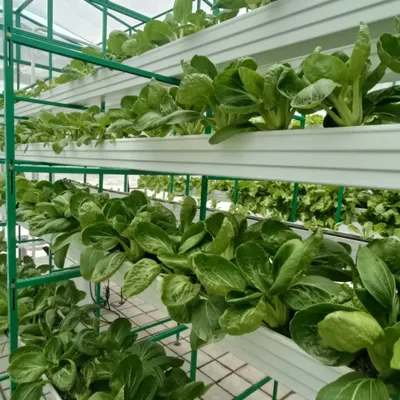
- Channels: 3 to 4 tiers of UV-stabilized rectangular troughs designed for substrate-based growing (not round PVC pipes).
- Capacity: 30 to 40 plant pockets ideal for Spinach, Lettuce, Basil, and Mint.
Automation & Plumbing
- Circulation: Low-noise submersible water pump (18W-40W) placed inside the reservoir.
- Reservoir: 40L to 60L food-grade opaque nutrient tank.
- Timer: Digital programmable timer to automate irrigation cycles.
- Delivery: Precision drip lines delivering nutrients directly to the root zone.
Consumables Included
- Media: Full filling of inert growing media (Perlite, Vermiculite, or LECA clay balls).
- Nutrients: 2-month supply of Hydrolore proprietary nutrient concentrates.
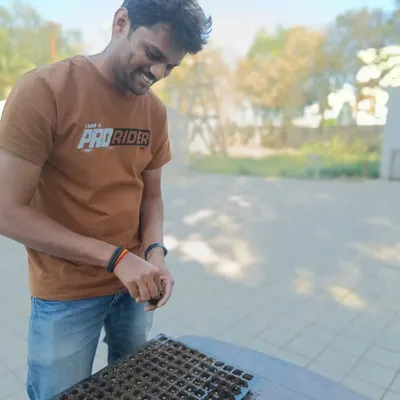
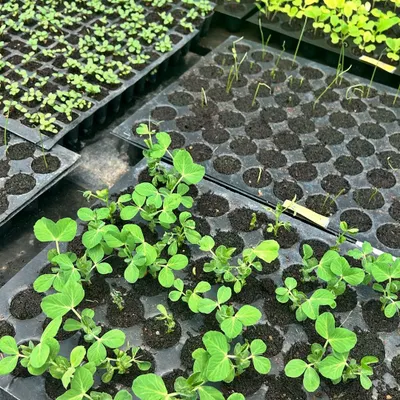
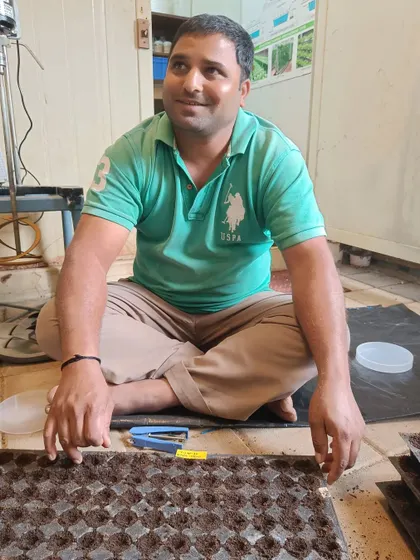
- Starter Kit: Seedling tray, propagation medium, and non-GMO leafy green seeds.
Installation
- On-site Assembly: Delivery and full installation at the client balcony (requires power point).
- Handover: 30-45 minute training on mixing nutrients and pH testing (kit included).
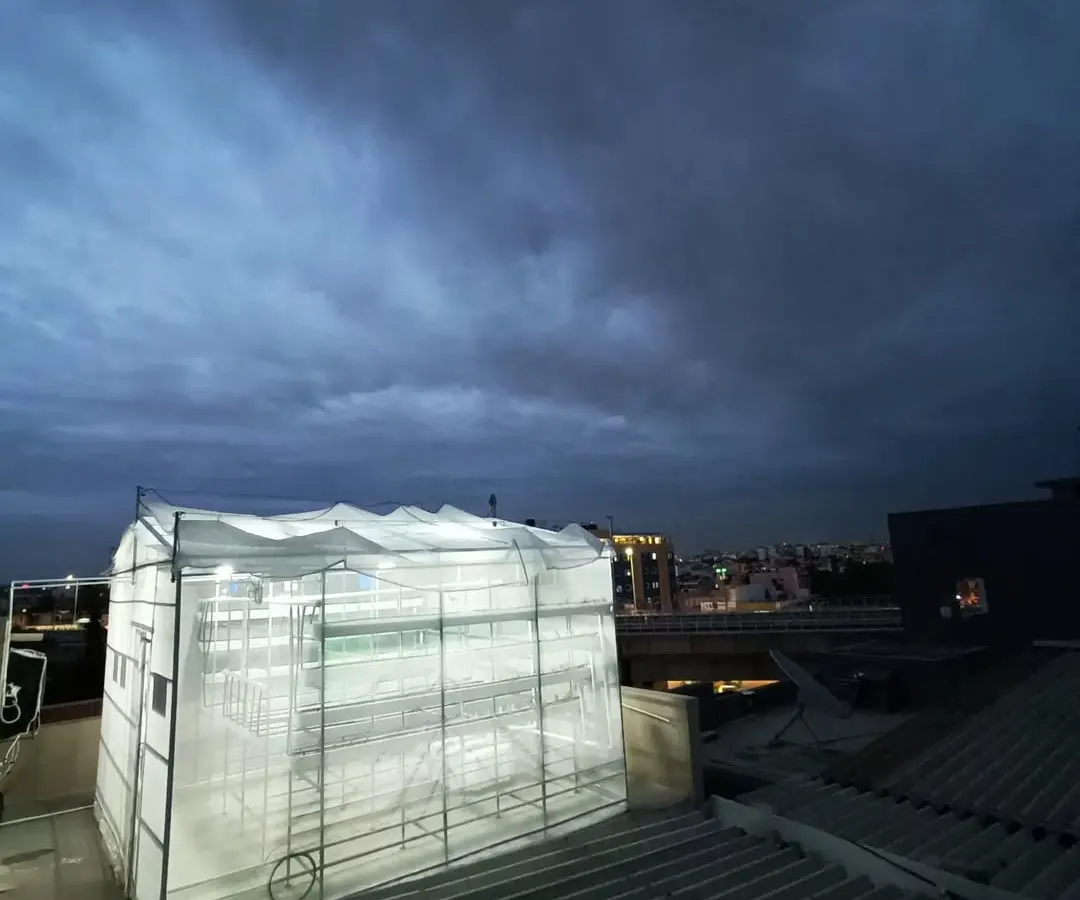
Compact Rooftop Polyhouse (100 sq. ft.)
Civil Structure (Polyhouse)
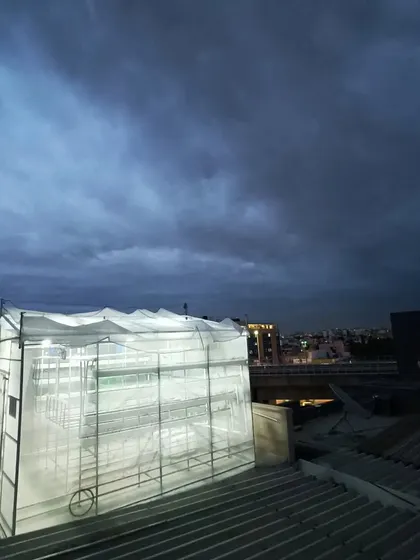
- Dimensions: 10ft x 10ft (100 sq. ft.) footprint.
- Material: Heavy-duty Galvanized Iron (GI) square tube structure anchored to the floor.
- Protection: Top covered with 200-micron UV-stabilized greenhouse film; sides covered with 40-mesh insect net for natural ventilation.
- Access: Fabricated door with locking latch.
Hybrid Growing System
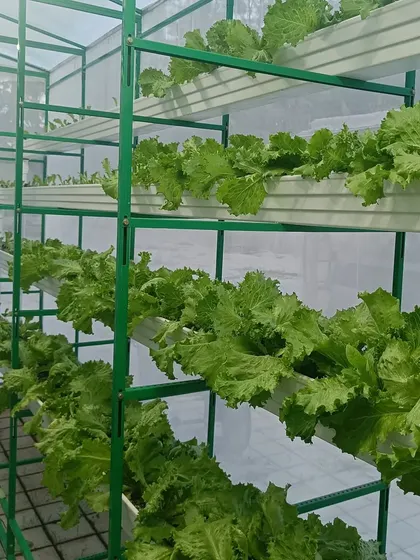
- Leafy Station: Vertical tiered stands (2-3 layers) for high-density greens.
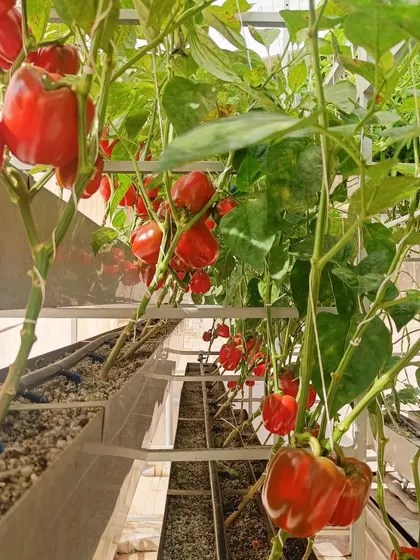
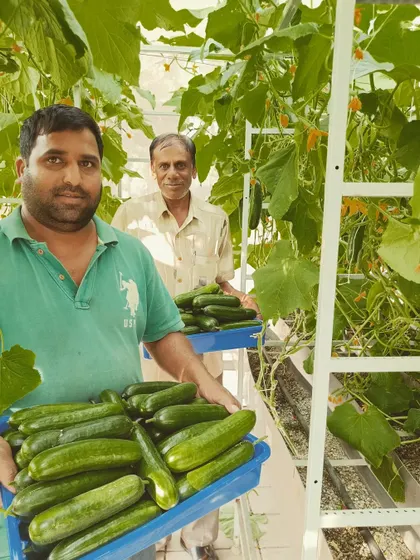
- Vine Station: Dedicated Dutch Buckets or deep troughs for Tomatoes, Capsicum, and Cucumbers.
- Trellising: Overhead wires and roller hooks for training tall crops.
Automation & Control
- Pump System: High-head submersible pump with customized manifold.
- Tank: 100L - 150L capacity drum with lid.
- Panel: Mounted electrical box with automated digital timers.
Support
- Consultation: Crop planning for the initial 60-80 plant mix.
- Saplings: First batch of nursery-raised saplings transplanted into the system.
- Training: Session on nutrient management and organic pest control.
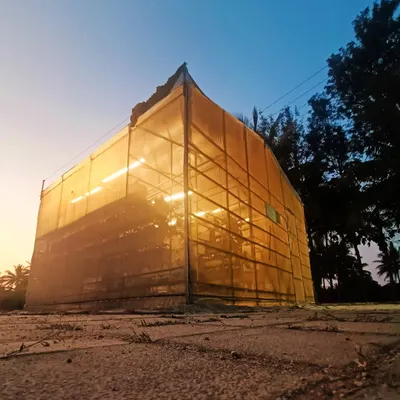
High-Yield Family Polyhouse (200 sq. ft.)
Heavy-Duty Infrastructure
- Enclosure: 200 sq. ft. (10ft x 20ft) industrial-grade GI pipe structure designed for wind loads.
- Climate Features: Rain flaps/skirting for monsoon protection and thermal screening options for heat control.
- Flooring: Geotextile fabric or weed-mat installation to maintain hygiene.
Production System
- Capacity: 150+ plants simultaneously.
- Zone A (Leafy): 4-Tier vertical substrate channels for rapid turnover crops.
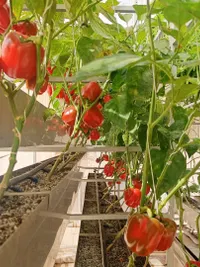
- Zone B (Fruiting): Dedicated rows for heavy feeders (Cucumber, Peppers, Zucchini) using IMHT drip system.
- Support: Professional crop support system (Yo-yo hangers) installed from roof trusses.
Precision Automation
- Irrigation: Zoned system (solenoid valves or dual-pump) to manage different water needs for leafy vs. fruiting crops.
- Reservoir: 200L+ capacity main tank.
- Monitoring: Includes digital TDS meter and pH meter for precise nutrient balancing.
Lifecycle Support
- Guidance: Assistance through the first full harvest cycle (3-4 months).
- Supplies: Maintenance kit including pruning shears, neem oil, sticky traps, and 6-month nutrient stock.
About Home Hydroponics System Setup
Why I Love Urban Hydroponics
I want you to experience the thrill of picking fresh veggies and herbs right from your home. My journey started with a simple question: how can we grow clean food in the city with less fuss? Turns out, going soil-free and using less water does the trick.
What You Get
I set up a rooftop hydroponic farm that’s flexible - fits small corners or bigger open spaces. The system uses vertical channels and a pebble-like medium instead of soil. Plants get their water and nutrients through an automated nutrient delivery system, so you don’t have to worry about daily chores.
- No messy soil, ever
- System runs itself (mostly)
- Compact enough for city homes
The Process
- We chat about what you want and how much space you’ve got
- I design a setup for you, no cookie-cutter solutions
- I install everything, get your first batch of plants going
- You get support, saplings, guidance whenever you need
What You Can Grow
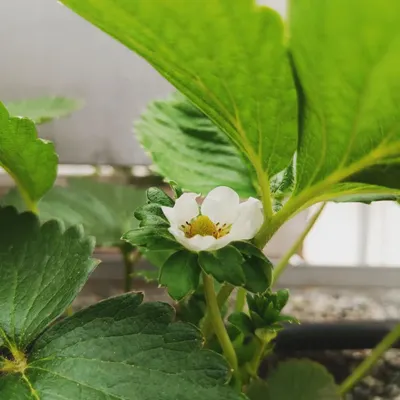
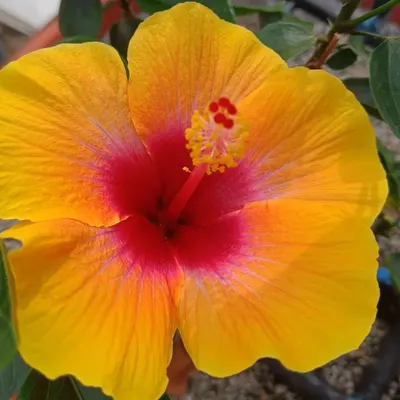
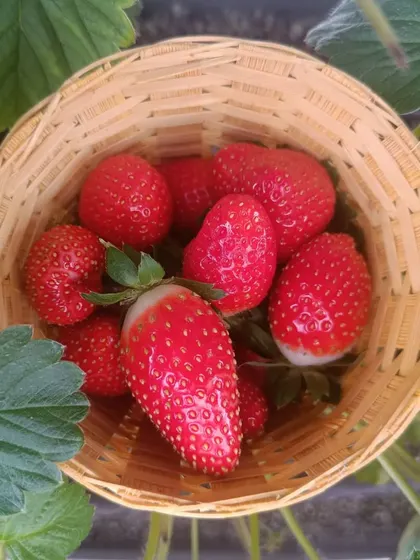
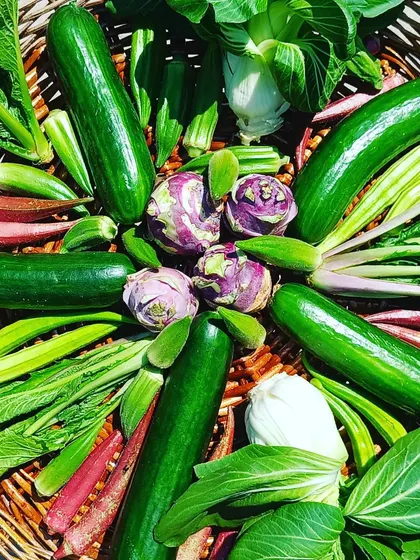
You can try leafy greens like palak, lettuce or spinach; veggies like cherry tomatoes, brinjal, and okra; herbs like pudina (mint), dhania (coriander), and tulsi (basil). Even strawberries, marigolds, aloe vera - it’s pretty wild what grows in these pods.
Real Talk
- Super fresh food, harvested when you want
- No nasty chemicals
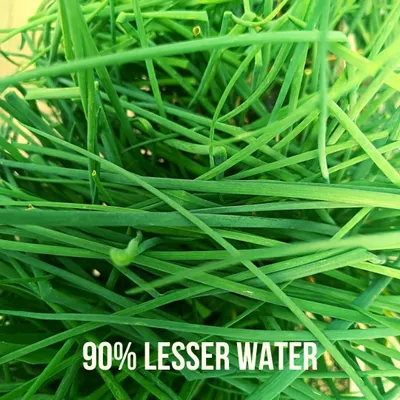
- Water use is way lower than regular gardening
- Big harvests even in tiny spaces
I stick around after setup, helping with care and new crops. You get a cleaner, greener way to eat - and I get to share my love for urban gardening solutions.
Meet your Expert
Hydrolore
7 connects in last 3 months
My Story
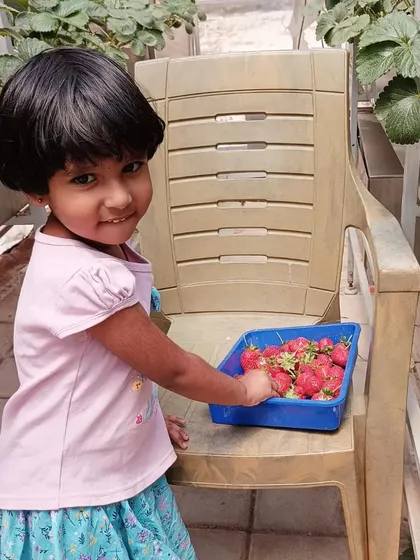
Hydrolore started from Dr. Gowsiya’s childhood wonder - plants sleep, plants live! That spark turned into years of digging into plant nutrition and root systems, then hydroponics. Not easy, lot of bumps, but family and mentors kept me going. Now, it’s us - scientists, gardeners, even Krishnappa with his cherry tomatoes. We share what we grow, from Farmlore’s chefs to kids picking strawberries. It’s not just farming, it’s community, real and messy and joyful.
My Work
Hydroponic Home Garden Solutions - We set up soil-free gardens so you can grow fresh veggies at home, even in small spaces.
Urban Farming Workshops - We run hands-on workshops for students and anyone curious about hydroponics and urban farming.
Compact Multi-Crop Systems - Grow different crops together in just 200 sq ft - bell peppers, knolkhol, marigolds, you name it.
Hands-On Harvesting Experience - Pick your own cherry tomatoes or fresh peppermint for tea, right at home. It’s practical, fun, and tasty.
For Urban Families and Curious Minds - Perfect for city folks, families, and kids who want to eat clean and get their hands dirty growing their own food.