Our Process: From Farm to Jar
We don't use factories or shortcuts. See how we hand-cut every vegetable, use the sun to mature our preserves, and keep traditional heirloom recipes alive in every small batch.
Making our Gujarati Chhunda is a mix of patience, tradition, and a little bit of kitchen chaos. This behind-the-scenes look shows the fun and hard work that goes into perfecting every jar.
Making our Amla pickles is a process that can't be rushed. Each amla is carefully chosen, cleaned, and prepared by hand. We follow the process, not the clock, because that patience is our most important ingredient.
What makes our Amla Kesar Murabba unique? We hand-shred every amla for the perfect texture and use only natural spices like cinnamon, cardamom, and saffron for a rich aroma. No artificial colours or flavours, just an authentic, traditional recipe.
The gentle pour of our Amla Kesar Murabba captures the golden sweetness and rich texture we achieve through slow cooking. It’s more than just a sweet treat; it’s a jar full of comfort and care.
Here is a quick 60-second tour of my facility. From the roasting machine for our spices to the blending kettle and the final dispatch area, you can see every step of the journey your pickle takes before it reaches you.
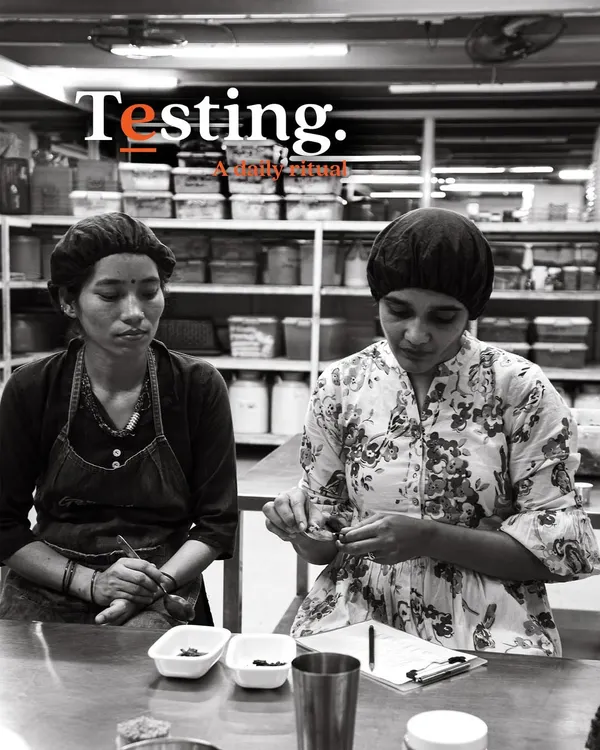
Meet the team that adds love, laughter, and a little mischief to every jar. The hands behind our pickles are the heart of Homepick, and their joy is a key ingredient in our process.
Precision in every slice. Here, one of our team members is hand-cutting amba haldi (mango ginger) for our winter collection. This manual process ensures the texture is perfect in every jar.
Before our rebranding, we went back to our roots. This video shows the timeless process of preparing fresh mangoes, a tradition that remains at the core of our identity, no matter what our labels look like.
The art of pickle making is in every detail, from the ingredients we choose to the way we stir the mix. The artists are the smiling team members who pour their care into every batch.
Our Gunda Keri Pickle is a Gujarati summer classic. We stuff each berry with hand-ground masalas, following the timeless method that gives this pickle its bold and tangy flavour.
About Our Process: From Farm to Jar
When you buy from a mass-market brand, they often use industrial heat processing and machine-dicing, which kills the texture and depth of the flavour. At Homepick, we do the opposite. We hand-peel and slice our ingredients, then let the Mumbai sun do the work over 10-12 days. It means our mango chunks keep their crunch and our spices actually bloom in the mustard oil, rather than just sitting in it. It takes significantly longer to make, but that is the only way to get that real ghar ka swaad in your jar.
How We Keep It Real
Most pickles on the shelf are uniform because they are made in high-speed machines. We refuse to work that way. Here is why our process makes a difference in your pantry:
- Hand-Cutting vs. Machine-Dicing: Machines crush the vegetable fibers. When we hand-cut, we retain the structural integrity of the Rajapuri mangoes or the Gunda berries, so you get an actual bite, not mush.
- The Sun is Our Oven: We don't rush the fermentation with artificial heat. Our traditional 10-12 day sun-drying process allows the spices to penetrate the fruit naturally. This is why our pickles evolve in flavour once you open the jar.
- No Hidden Preservatives: You will see oil separation. That is a good thing. It means we aren't using industrial stabilizers to keep the mixture homogenized. We use pure mustard or groundnut oil to naturally preserve the mix.
Why Transparency Matters
We aren't a massive corporate entity, and we don't pretend to be perfect. Sometimes, sourcing seasonal raw material from different regions creates slight variances in our batches. If the mangoes are a bit more tart one week, the pickle reflects that. We think that is the beauty of eating something real. We are always listening to feedback—if you think a batch could use more salt or spice, tell us. We improve our recipes by learning from the people who actually eat our pickles.
Similar work from other experts
Browse through Curated picks from other experts on mytribe
Our Traditional Process: How We Make Authentic Pickles
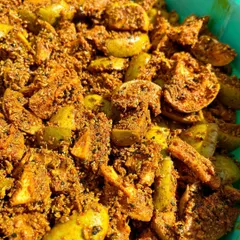
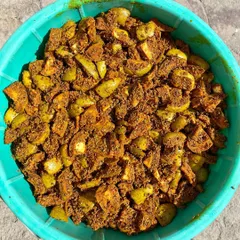
Behind the Scenes: How We Make Our Pickles
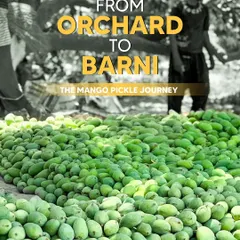
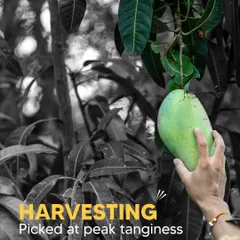
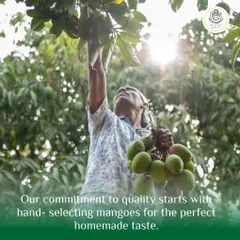
Our Authentic Achaar Making Journey
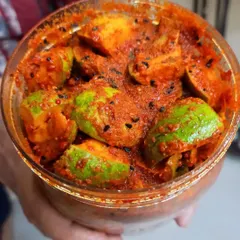
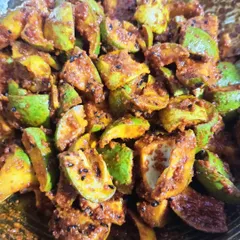
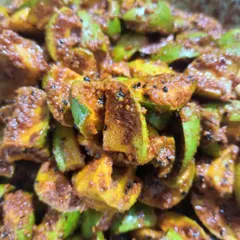
The Homemade Process: How Our Punjabi Pickles Are Made

Authentic Homemade Pickle Making Process
 21
21

The Art of Traditional Handmade Pickles
More from Artisanal Indian Preserves & Condiments by Homepick
More services by Homepick