Informed Birth Choices and Understanding Medical Interventions
You do not have to be a passive bystander in your own birth. Understand your body, know your rights, and learn to ask the right questions about common medical interventions. Let's make sure you feel prepared, not scared.
This video compares a "Two-Step Birth," where the body is born with the next contraction after the head, versus a "One-Step Birth," where traction is applied. Evidence suggests the two-step approach is gentler and may reduce the risk of complications like shoulder dystocia.
In this podcast clip, I discuss the overuse of C-sections and the information gap that often exists for families. It's crucial to understand the risks and benefits of a cesarean to ensure it's used only when medically necessary.
Advocating for yourself is your right. It's always okay to ask questions, use your voice, and refuse a procedure that doesn't feel right. I teach you how to have assertive, respectful conversations with your medical team.
Many common reasons given for a cesarean, like "your baby is too big" or "you are past 40 weeks," are often not supported by evidence for a low-risk pregnancy. It's important to know the valid medical reasons versus the debatable ones.
The World Health Organization recommends a mandatory second opinion for cesarean indications as a way to reduce unnecessary surgeries. This highlights the importance of questioning and ensuring a C-section is truly the safest path for you and your baby.
It's important to be aware of all potential side effects. Research has shown an association between the use of Pitocin (synthetic oxytocin) for labor induction and an increased risk of postpartum depression and anxiety.
An epidural is a choice many women make, and it's vital to have all the information. This includes knowing that they often contain opioids and understanding the potential effects on both you and your baby, such as a slowed heart rate or trouble with breastfeeding.
Do you need a vaginal exam in labor? The answer is no, it's your choice. Your cervix is not a crystal ball; dilation doesn't predict your labor timeline. There are other, less invasive ways to assess progress.
A birth space should be a sacred space. This Birth Code of Conduct outlines how your support team and medical staff can protect your environment by entering quietly, respecting your need for focus during contractions, and always asking for consent.
About Informed Choices: Understanding Interventions & Your Rights
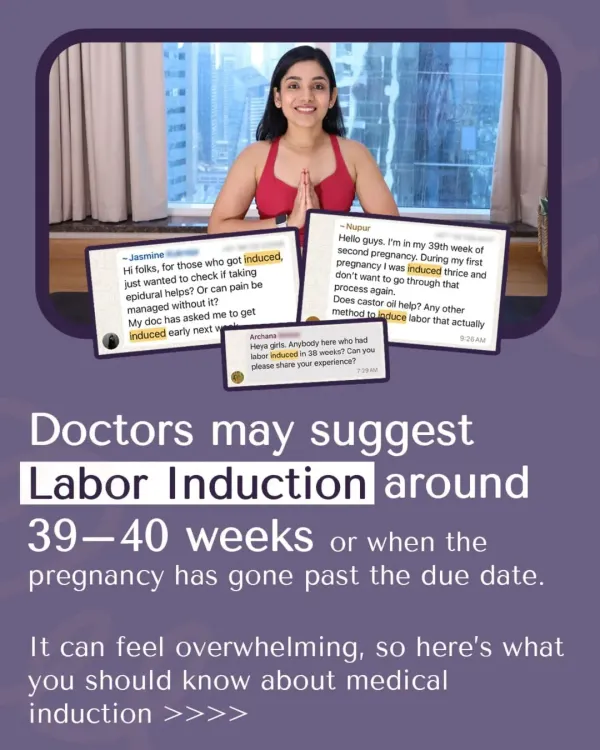
Many interventions, like routine inductions or continuous fetal monitoring, are often presented as standard protocol, but they are not always medically necessary for low-risk pregnancies. Before you agree to any procedure, pause and use the 'BRAIN' acronym: Benefits, Risks, Alternatives, Intuition, and what happens if I do Nothing? Asking these questions often changes the entire trajectory of your labor, helping you reclaim your role as an active participant.
Birth is a physiological event, not a medical crisis, yet our healthcare system often treats it as the latter. My work is to bridge the significant information gap that leaves so many families feeling powerless in the delivery room.
When you understand how your body works, you move from a state of fear to a state of calm. This section is about understanding the 'why' and 'how' of modern obstetrics—from Pitocin and epidurals to C-sections and vaginal exams.
Why Informed Consent Matters
Informed consent means you have the right to accept or refuse any intervention based on a clear understanding of the risks and benefits. It is not about being confrontational; it is about being assertive.
- The Power of Asking Questions: You are not a patient to be managed; you are a person giving birth. If a provider suggests a procedure, you have the right to ask for time to consider it.
- Negotiating Your Birth Space: You can protect your birth environment. This means requesting dimmed lights, limited cervical checks, and ensuring your support team follows a 'code of conduct' that prioritizes your comfort.
- Evidence-Based Truths: We look at what the research actually says—for instance, how continuous electronic fetal monitoring may increase cesarean rates without improving outcomes for low-risk pregnancies, or how synthetic oxytocin relates to postpartum anxiety.
Preparing Your Advocacy Team
Your birth partner needs to be more than a spectator; they need to be your advocate. I teach partners how to hold space, communicate your preferences to the medical staff, and ensure your birth plan is respected.
Whether you are planning a natural birth or want to be fully prepared for any scenario, the goal is the same: you should feel satisfied and respected. When you know your rights, you can make the decisions that are best for you and your baby.
Similar work from other experts
Browse through Curated picks from other experts on mytribe
 9
9
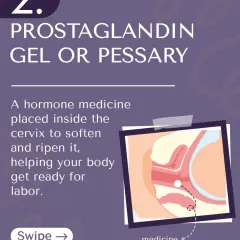
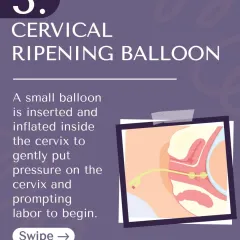
Demystifying Medical Interventions for Labor
 15
15
My Approach to Evidence-Based Birth Support


Unbiased Birth Options & Pregnancy Counseling
 14
14


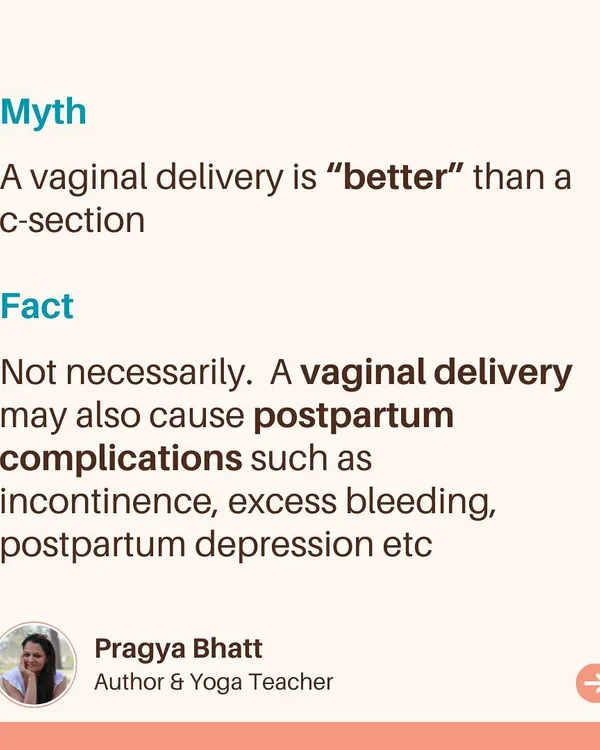
Maternal Wellness: Myths, Facts, and Supportive Yoga
Practical Labor Techniques and Birth Preparation
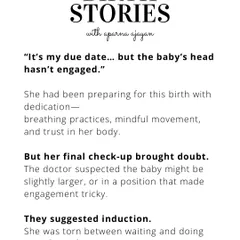

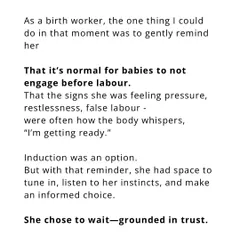
Real Birth Stories from Our Community
More from Childbirth Education & Labor Preparation by Pujitha Shetty
More services by Pujitha Shetty