Hands-On Learning Kits and Programs
We transform abstract concepts into tactile adventures. Explore our range of learning tools designed to build real confidence in math and literacy for children of all ages.
(Hero Media) This is a step-by-step guide on how to play the basic version of my Yonjuu card game. I created this game with my son, Kai, to show that math can be a fun, strategic, and collaborative experience for the whole family.
My son Kai is my biggest inspiration and the first user of every game I create. This is us with Yonjuu, a game designed to build number sense and strategic thinking through play, making math accessible and enjoyable for everyone.
The Math from Scratch kit is all about hands-on learning. Here you can see how different manipulatives like number cards, tally marks, and counting cups come together to help young children see, touch, and understand numbers in a concrete way.
My Learn to Read, Read to Learn kit uses multi-sensory activities to build foundational literacy skills. This activity focuses on phonemic awareness, connecting sounds to letters using tangible objects, which is a core principle of the Science of Reading.
A moment of discovery during a professional development session with teachers. My goal is to create an environment where educators can experience the joy of hands-on learning themselves, so they can bring that same energy and understanding back to their students.
I am incredibly humbled and grateful to receive this wonderful recommendation for Yonjuu from Dr. James Tanton of the Global Math Project. His work has been a huge inspiration, and his validation of my approach to making math fun and intuitive means the world to me.
I created Yonjuu, which means 40 in Japanese, to make numbers come alive. It’s more than just a game; it’s a tool to nurture play, number sense, logical reasoning, and strategic thinking in both children and adults.
This is an announcement for one of my pop-up events where I showcase my learning kits. These events are a wonderful opportunity for me to connect with parents and children, and to see the immediate joy and engagement my games can spark.
About Featured
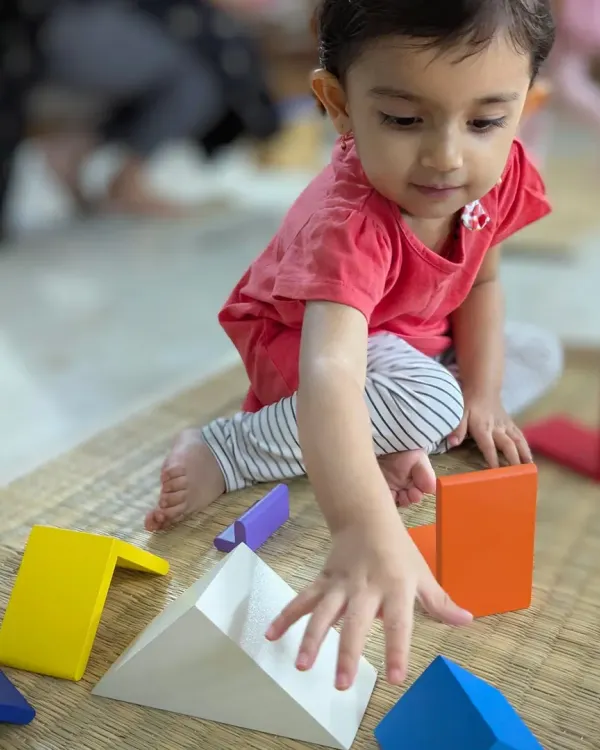
When you pick up a Yonjuu card or use our Math from Scratch manipulatives, you notice the difference immediately. We focus on concrete tactile engagement—using ten-frames, sensory dough, and physical counters—so that children move from simply memorizing rules to genuinely understanding the logic of numbers and the sounds behind our words.
Learning is something you do, not just something you read. At Hattennoki, our approach follows the Concrete-Pictorial-Abstract framework, which means we prioritize physical play before moving to pen and paper.
For mathematics, our Yonjuu deck makes number sense tangible. Rather than staring at abstract formulas, you hold a ten-frame grid in your hand, allowing you to see quantities as physical objects. This makes addition and subtraction a logical exercise rather than a test of memory.
Our early years kits take this further by using sensory dough and interlocking cubes. When a child shapes numbers with dough or counts by physically snapping cubes together, they are building the neural connections needed for long-term retention.
We bring the same hands-on rigour to our literacy programs. Based on the Science of Reading, our Phonics Box moves away from rote memorization and focuses on the actual structure of language. By using tactile letter tracing and object miniatures, we help children connect sounds to letters in a way that feels natural and safe. Whether you are a parent looking to support your child at home or an educator seeking to revitalize your classroom, our tools are built to make that process slower, messier, but infinitely more rewarding.
Similar work from other experts
Browse through Curated picks from other experts on mytribe
 5
5
Hands-on Montessori learning kits for home
Our Kindergarten Teaching Methods & Activities
Featured Workshops and Programs for Kids

Our Featured Learning Programs and Success Stories
Hands-On STEM, Robotics, and Play-Based Learning
 6
6
Featured Educational DIY Art Kits & Creative Workshops
More from Educational Games & Learning Kits by Hattennoki
More services by Hattennoki