Artist's Toolkit: Theory & Techniques
Understanding the 'how' and 'why' is what makes art truly yours. Explore the fundamental building blocks, from brush handling to color mixing, that we use to help students find their own style.
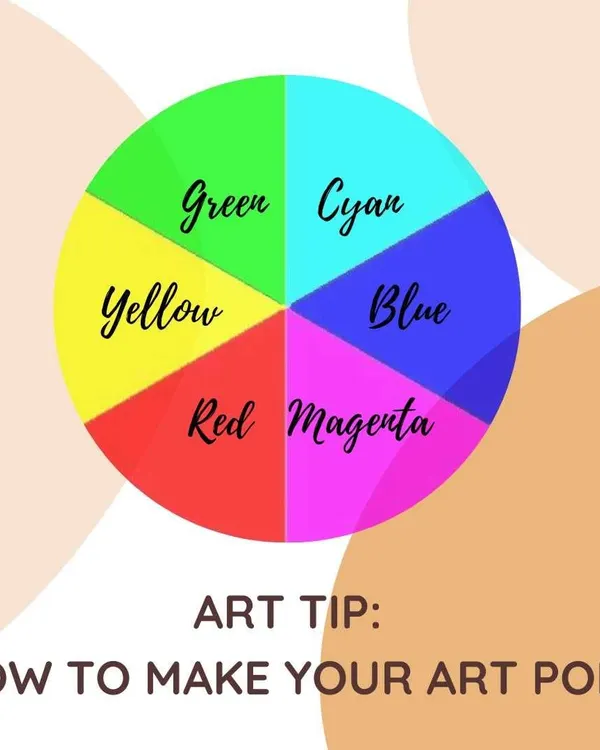
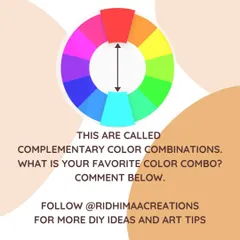
Understanding the color wheel is the first step in mastering color. This graphic explains the relationship between primary colors (Red, Yellow, Blue) and the secondary colors (Green, Purple, Orange) that are created by mixing them.
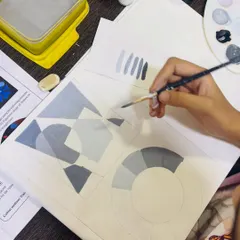
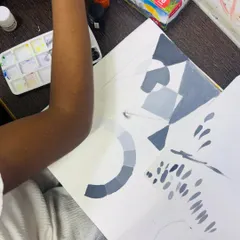
This is how we break down a complex landscape painting. We teach students to simplify shapes, create a value sketch to understand light and dark, and choose a color palette before starting the final reference-based artwork.
Choosing the right paint can feel overwhelming, so we help our students understand the options. This series explores five different types of art paint, each with unique properties that can impact your artwork.
Oil colour is a durable, slow-drying paint that provides a glossy finish. Its slow drying time is an advantage, as it allows the artist to blend colors and make changes to the painting along the way.
Watercolour is a translucent paint that is known for its fluidity and transparency. It dries fairly quickly, making it excellent for creating soft washes and layered effects.
Acrylic colour is incredibly versatile and quick-drying. It can be applied to almost any surface, from paper to canvas, and comes in various forms, from thick tubes to liquid inks.
Gouache is an opaque, water-soluble paint. Unlike watercolour, the white of the paper does not show through, and it has a unique quality of drying slightly darker than it appears when wet.
Encaustic is a wax-based paint with strong pigments. It is a highly durable medium that is best used on a firm, absorbent surface, creating unique textural effects.
The Flat Brush has a square, flexible end that can hold a lot of paint. It's perfect for making long strokes, blending, and painting large areas smoothly.
The Round Brush is a versatile tool used for filling, drawing, and applying washes. Its tip can be used for fine details, while the body can create marks that vary from thick to thin.
About The Artist's Toolkit: Theory & Techniques
At Grahin, we believe theory should feel like play, not a dry lecture. Whether it is a quick tip like 'isko merge acchi tarah se karo' (merge this properly) to get a seamless blend, or simply knowing which brush to grab for a soft landscape stroke, we focus on the practical 'how-to'. You aren't just memorizing rules. You are picking up the technical skills you need to stop guessing and start creating with real confidence.
Building Your Creative Foundation
Theory is not about limiting your creativity, it is about giving you the tools to express it. When you join our sessions in Ghatkopar, Dadar, or Thane, we break down art into manageable steps that anyone can follow.
The Color Science
Everything starts with the basics. We teach you to look beyond the tube. Whether you are mixing primaries to create rich secondaries or understanding the temperature of 'garam' (warm) and cool colors, you will learn to manage your palette effectively. We don't just talk about the color wheel, we show you how to use it to bring harmony to your landscapes and portraits.
Knowing Your Tools
It is easy to get overwhelmed by the options at an art supply store. We guide you through the property of every medium we use:
- Watercolors: Learn to control fluidity and layering for those soft, translucent washes.
- Acrylics: Master the quick-drying nature of this versatile paint on canvas or paper.
- Oils: Understand the patience needed for blending and why this slow-drying medium is perfect for depth.
- Gouache: Discover the opaque, matte finish that makes this medium unique.
Precision with Brushes
Your brush is an extension of your hand. In our workshops, we demonstrate how a flat brush creates structure, why a round brush is essential for detail, and how a fan brush brings textures like grass or flowing water to life. You will practice these strokes until they become second nature.
Moving Beyond the Classroom
Art is a journey. Whether you are prepping for a JJ School of Art entrance exam or just looking for a therapeutic hobby, our technique-focused training ensures you have the technical base to express your own story. Join us, and let us help you turn that vision in your head into something real on paper.
Similar work from other experts
Browse through Curated picks from other experts on mytribe
Acrylic Painting Courses in Bangalore
Foundation & Fine Art Courses
 6
6
Painting Classes in Koramangala
 4
4
Master Art Fundamentals and Drawing Basics
Master Drawing and Sketching Techniques in Mumbai
 7
7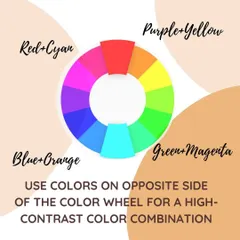
Art Basics & Creative Tips for Beginners
More from Fine Arts Courses & Exam Preparation by Grahin Art Institute
More services by Grahin Art Institute