Nature-Based Learning at Kinfolk Montessori
We believe the outdoors is the greatest teacher. Our 1.5-acre campus serves as a living classroom where mud, sunshine, and trees foster genuine curiosity.
Pure, uninhibited joy! Jumping in muddy puddles is a favorite nature-based activity at Kinfolk, offering a rich sensory experience and a chance to connect with the earth.
Discovery is everywhere in our garden. Here, our little folks were so excited to spot giant jackfruits growing right on our campus, a real-life lesson in where our food comes from.
We celebrated International Yoga Day outdoors, connecting with nature. Our little folks practiced mindful, nature-based yoga, stretching like ferns and sniffing like squirrels.
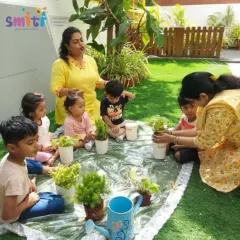
For World Environment Day, our little folks had a blast making seed bombs. This hands-on activity is a fun way to learn about germination and our role in caring for the planet.
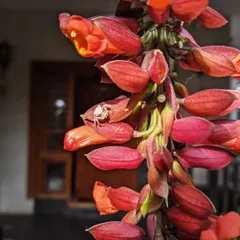
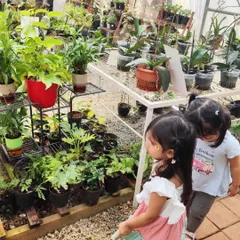
An outdoor lesson on botany. We take every opportunity to use our garden as a living classroom, learning about leaves, flowers, and the insects that visit them.
We paused during our nature walk to listen to the birds chirping and learn about the different flowers growing in our garden. These moments cultivate mindfulness and a love for nature.
A nature treasure hunt in progress. This little one is carefully collecting fallen flowers, leaves, and twigs to use in a nature art project, developing observation skills.
Nature exploration in our very own garden. The children are learning about mango trees and the ecosystem they support, right here on our school grounds.
At Kinfolk, every day is Environment Day. We integrate learning about nature into our daily rhythm, fostering a lifelong respect for the world around us.
A weekend nature walk with our families. We explored snail slime trails, mushrooms, and seed pods with magnifying glasses, creating sun catchers with our collected treasures.
About Nature is Our Classroom
Unlike traditional schools, we don't treat nature as a backdrop—it is our primary teaching tool. On our 1.5-acre campus, your child won't just learn about the environment; they will get hands-on experience in our mud kitchen, sensory garden, and vegetable patches, building fine motor skills through real-world, purposeful play.
How Nature Drives Learning
At Kinfolk, our nature-based curriculum is not about letting children run wild; it is about creating a structured environment that encourages deep, focused engagement. We follow the Montessori method, which views the child as an expert in their own learning journey. When a child spends time in our sensory garden or tracks insects in our mango grove, they are not just playing. They are developing observation skills, patience, and concentration.
Why Our Campus Matters
Located in Seetharampalya, Hoodi, our campus provides a rare, sprawling green space in the city. We intentionally leave the outdoors accessible for structured work cycles.
- The Mud Kitchen: This is a vital space for sensory integration and cooperative play. It allows children to practice physical tasks, understand textures, and explore environmental science through tactile experience.
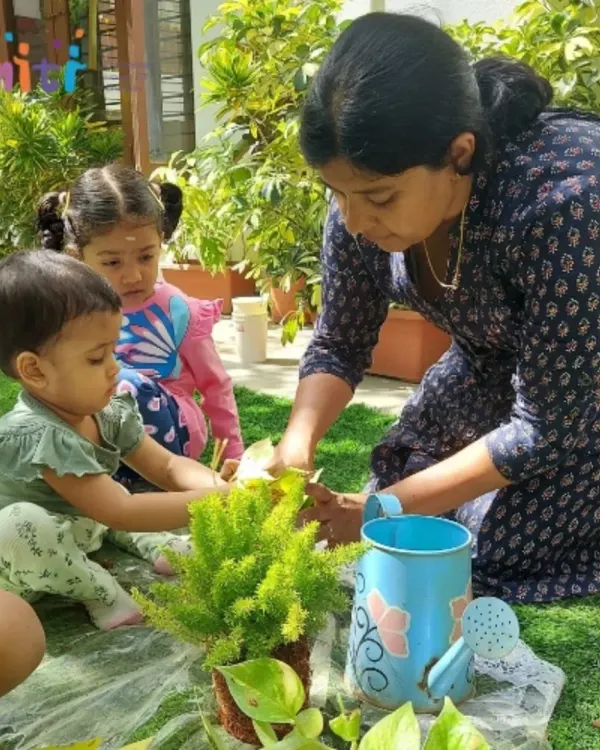
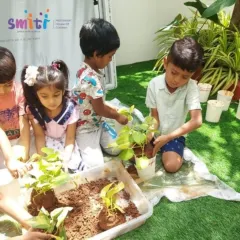
- Practical Life Skills: Gardening and tending to plants teach responsibility. Children plant seeds, nurture growth, and learn where their food comes from.
- Observation Walks: These are guided sessions where we look for specific flora and fauna, teaching children to slow down and appreciate the ecosystem.
Safety and Supervision
We understand that 'nature play' can sound messy or unstructured to some parents. However, we maintain a teacher-to-child ratio of 1:10 to 1:12. This ensures that while children are free to explore, get muddy, and interact with the environment, they are always under the watchful eye of a trained educator. Whether it is a botany lesson or a session in our sensory bins, the environment is carefully prepared to ensure both freedom and safety.
Similar work from other experts
Browse through Curated picks from other experts on mytribe
Learning Beyond the Classroom Walls: Nature-Based Montessori
Nature, Gardening & Outdoor Exploration
 15
15
Learning in Nature's Classroom


Preschool Learning Through Nature Exploration
 16
16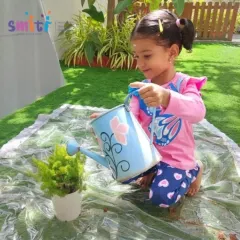
Nurturing Young Environmentalists
 89
89
Nature-Based Learning & Field Trips for Preschoolers
More from Montessori Early Education Program by Kinfolk Montessori
More services by Kinfolk Montessori