Sparring & Combat Drills Training
We transform raw effort into precision. From Jiyu Kumite to competition-ready drills, we focus on building the reflexes and strategy you need to defend yourself with confidence.
Sensei Chetan demonstrates the "Tai no sen" Ippon Waza, a full point technique. This drill focuses on timing and precision, teaching students how to score decisively in a competition setting.
A powerful Mae Geri (front kick) starts with strong conditioning. Senpai Vicky and Senpai Sumit demonstrate a partner drill designed to build the strength and resilience needed for effective sparring.
We believe in nurturing the next generation of martial artists. Here, Senpai Vicky guides a young student through kumite combinations, passing down techniques and building his confidence for future challenges.
This is a clip from a practice session where students drill a specific kumite technique taught by Senpai Akshay Gawde. Repetition and peer feedback are key to mastering combat sequences.
In 2012, our Senpais performed the Gekisai Dai Ichi kata as a team. This demonstration of synchronized power and form impressed Hanshi Alvin Tan and showcased the deep coordination we instill in our students.
About Sparring & Combat Drills (Kumite)
In our dojo, sparring is not about aggression; it is about control and precise timing. Whether we are drilling 'Tai no sen' (preemptive attack) or practicing distance management, the focus is always on mutual respect. You are not just training against an opponent, but learning to read reactions and improve your decision-making under pressure.
Theory to Reality
Sparring is where your technique is tested. We practice Jiyu Kumite (free sparring) to build adaptability, ensuring you can react to unpredictable situations rather than just following a set pattern. It is the bridge between the forms you practice in Kata and the reality of a self-defense situation.
Our Approach to Combat
- Safety First: We prioritize control. You learn to deliver power without losing discipline, ensuring that our training remains constructive, not destructive.
- Technical Precision: As you see in our sessions with Sensei Chetan and our Senpais, we break down complex moves into manageable steps. This allows students of all levels to improve without injury.
- Feedback Loop: We believe in peer feedback. After every drill, we analyze what worked and what didn't. This culture of open communication is what makes our dojo feel like a family.
Frequently Asked Questions
Is sparring safe for beginners? Yes. We never throw a beginner into high-intensity combat. We start with fundamental partner drills and conditioning, gradually introducing contact as your control and confidence grow.
Do I need special gear? We will guide you on the necessary safety equipment, such as hand guards and mouthguards, before you begin any contact-based training. Safety gear checks are a standard part of our pre-sparring routine.
What makes your sparring different? We follow the philosophy of our Grand Master Ramesh Parab Sir: 'The more you sweat in the dojo, the less you will bleed in combat.' Our training is intense, but it is built on a foundation of deep respect and long-standing tradition.
Similar work from other experts
Browse through Curated picks from other experts on mytribe
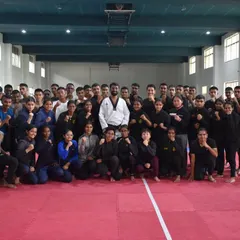
Taekwondo Sparring and Self-Defense Training
Kyorugi Sparring Practice: Competitive Taekwondo Training in Mira Road
Professional Kumite & Tournament Karate Training
Full-Contact Kyokushin Karate Sparring Classes
Sparring Practice (Kyurogi) for All Skill Levels
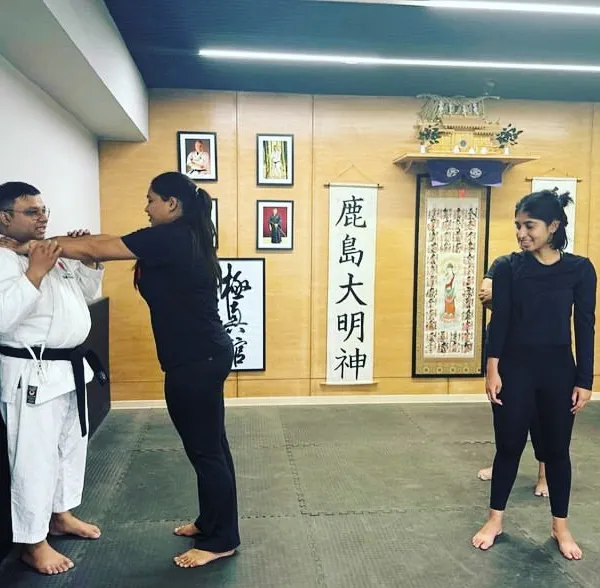 10
10Practical Defense Techniques for Real-World Safety
More from Annual Karate Camp by Gojudo Karate
More services by Gojudo Karate