Community, Conservation & Learning Walks
Join our guided walks through restored city forests to see how nature thrives when we stop interfering and start trusting the process.
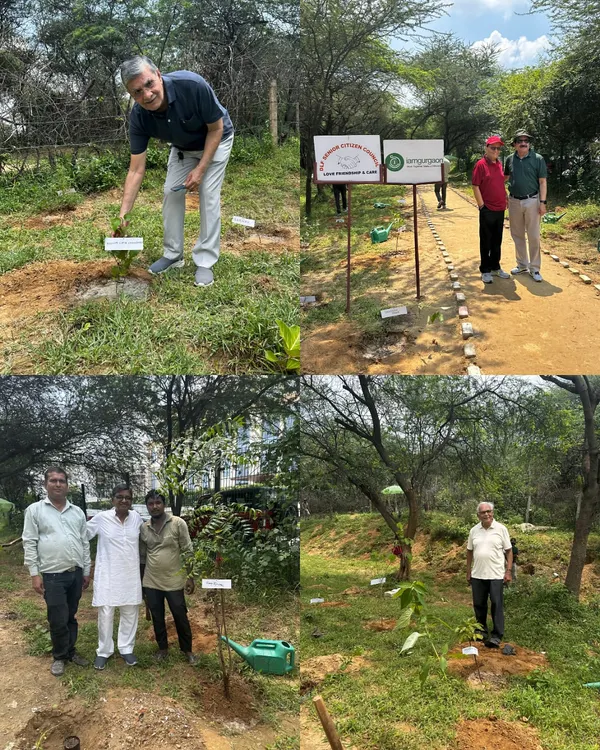
A volunteer from the Lions Club proudly showing the fruits growing at our Noida site. It was a rainy day, but the enthusiasm to plant saplings was high. Community efforts are the key to urban greening.
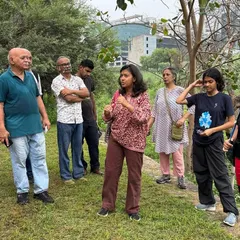
A family enjoying a walk through our Noida Sector 150 site after a plantation drive. We love it when multiple generations come together to connect with nature and contribute to a greener future.
A family proudly stands with the sapling they just planted. We encourage families to join our drives, as it creates a lasting bond with the tree and the environment.
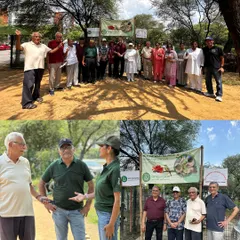
Here I am with a group of enthusiastic volunteers. These community plantation events are a wonderful way to bring people together, share knowledge, and make a tangible impact on the local environment.
We love to share knowledge about the native trees of Delhi. The Barna tree, or Garlic Pear Tree, is a beautiful native species that we plant at our sites. It has great ecological and cultural significance.
The fruit of the Barna tree, also known as the Garlic Pear Tree. It is about the size of a golf ball and has a unique smell. Learning to identify trees by their fruit, flowers, and leaves is part of our nature education.
A fun fact we share on our walks. The Barna tree was featured on a postage stamp by India Post in 1981 to celebrate Indian flowering trees. It is a tree with a rich history.
The compound leaves of the Crateva religiosa, or Barna tree. Noticing these small details, like the three leaflets growing on a common stalk, is a key skill in plant identification that we teach on our walks.
The delicate flowers of the Three-Leaf Caper, another name for the Barna tree. They start as white and fade to yellow, with beautiful long purple filaments.
A simple reminder we like to share. In a world that moves so fast, nature grounds us. Touching grass, hugging a tree, or just listening to the forest can bring a sense of calm and peace.
About Community, Conservation & Learning
These aren't your typical park walks. We take you through urban forests we have restored on what was once barren land. You will see, touch, and learn about the native species that define our local ecology, and honestly, we encourage you to get your hands a little dirty—whether that is by planting a seed ball or helping us monitor the pollinator activity that proves nature is finally healing itself.
Ever wonder why some urban parks feel stiff and managed, while others just breathe? We believe in trusting nature. On these walks, we don't give dry, formal lectures. We walk through our active restoration sites in Delhi and Noida to show you how a forest actually heals itself once you stop trying to landscape it to death.
We will show you the native Barna and Pilkhan trees, explain how the phytoncides they release boost your immune system, and help you spot the insects and birds that have made these patches their home. This is about learning the science of 'forest bathing' and phytoremediation, but in the most practical way possible.
Bring your camera, bring your curiosity, and be ready to ask questions—about the soil health, the migratory birds, or why we think grass is a hero, not a weed. Whether you are a solo nature geek, a school group, or a family looking for a weekend escape, we want you to leave looking at every city tree you pass with a new perspective.
Similar work from other experts
Browse through Curated picks from other experts on mytribe
 53
53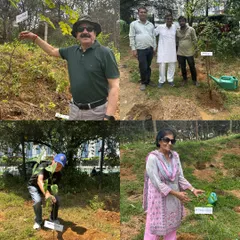
Join Gurgaon's Community-Led Environmental Movement
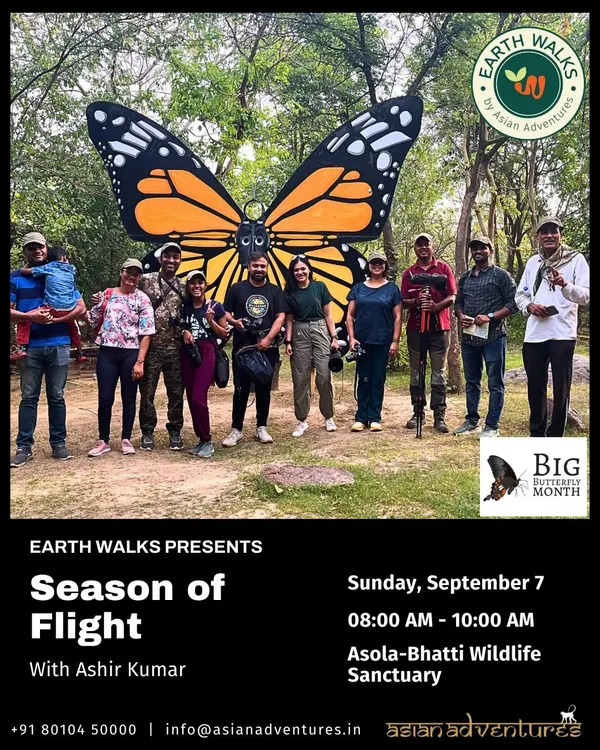 12
12
Exploring Urban Wilderness on Our Earth Walks
 17
17


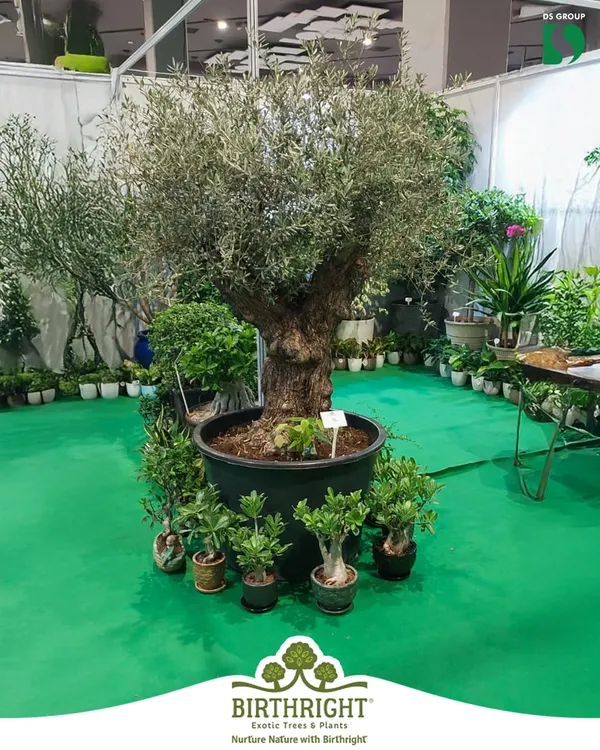
Community and Inspiration for Urban Farming
 19
19
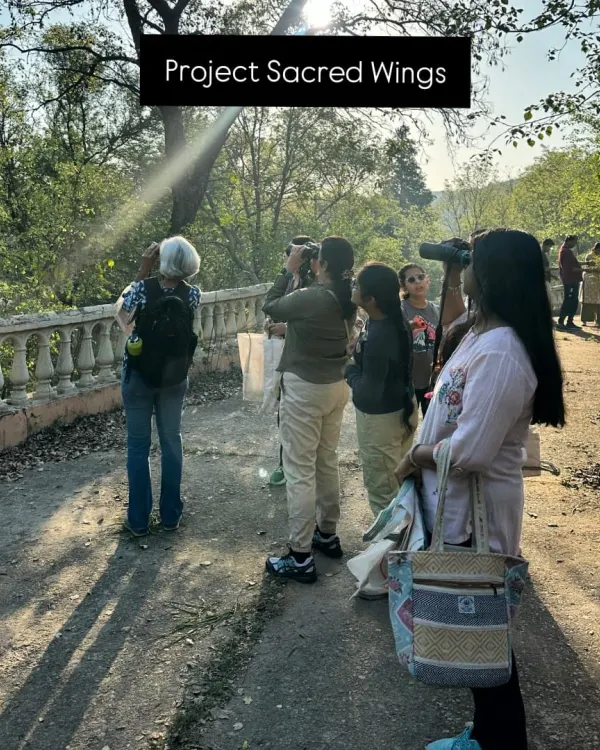
Guided Nature Walks and Birding Trails in the Aravallis
 12
12
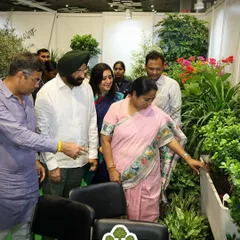
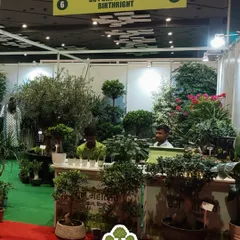
Our Mission to Grow More Than Just Plants
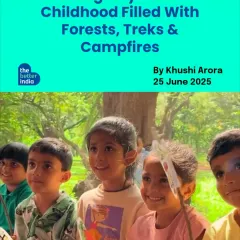
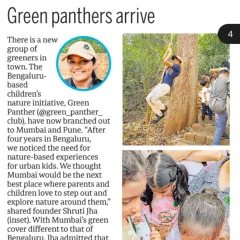

Our Community in Action: Nature Workshops for Kids
More from Guided Nature & Biodiversity Walks by Give Me Trees Trust
More services by Give Me Trees Trust