Wildlife of Our Urban Forests
When you give nature the space to heal, it brings back the birds, the insects, and the wild pulse of life. Come see what has returned to our city forests.
A Black Drongo and a Blister Beetle at our HCL-supported site in Lucknow. Every creature, from birds that control insect populations to beetles that aid in decomposition, plays a part in the ecosystem.
A White-throated Kingfisher and a Little Cormorant, both spotted at our Lucknow plantation site. The presence of water birds is a great sign that our created water bodies are supporting a healthy food web.
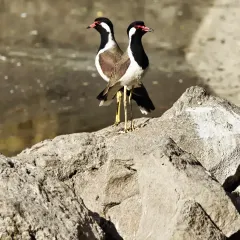
A Red-wattled Lapwing and an Indian Pond Heron. These ground-dwelling and wading birds thrive in the mixed habitats of grasslands and wetlands that we create at our restoration sites.
A Cicada camouflaged on tree bark. The loud, buzzing song of cicadas is a classic sound of a healthy, mature forest, and we are happy to hear it at our sites.
One of our furry residents taking a stroll down a path at our Sector 150 site in Noida. We ensure our forests are safe havens for all creatures, including the dogs that live in the area.
A toad emerging from the soil at night. Amphibians like this are very sensitive to pollution, so their presence is a strong indicator of a clean and healthy environment at our HCL Foundation supported sites.
A grasshopper on a leaf. These insects are a fundamental part of the food chain and play a role in the natural cycle of growth and decomposition within the forest.
A leaf beetle with striking patterns. The sheer diversity of insects is a measure of a habitat's health. On our walks, we often find dozens of different species.
A honeybee pollinating a flower. Pollinators are the cornerstone of a thriving ecosystem, and we plant a variety of native flowering plants to support them.
A dragonfly in stunning detail. Their wings are natural marvels of engineering, covered in tiny spikes that kill bacteria on contact. We love sharing such facts during our walks.
About Wildlife of Our Forests
This isn't just about ticking off species from a list. It's about spotting the small things—like a toad emerging at night or a dragonfly with wings that kill bacteria—that show our soil and water are finally healthy again. When you walk with us, you learn to look for these tiny, fascinating signs of life that are thriving right here in the middle of the city.
How Wildlife Returns to the City
When we start a restoration project, we don't just plant trees. We prep the soil, we fence the area, and then we step back. That's the secret. Nature has its own intelligence, apni intelligence hai, and it knows exactly what to do when humans stop interfering.
What You Will Discover
On our trails, we don't rush. You will see:
- Pollinators at work: From honeybees to butterflies, these tiny experts are the reason our forests stay lush.
- Birds of prey and waders: From Kingfishers near our created water bodies to birds of prey hunting in the open areas.
- Indicator species: Creatures like toads and dragonflies aren't just interesting to look at; they are living proof that our environment is clean and free of harsh chemicals.
A Different Way to See the City
Most people walk past these green patches without a second glance. We want to change that. Whether you are a student, a curious parent, or just someone who wants to disconnect from the screens and noise, come walk with us. It is slow, it is quiet, and it is a reminder that we are part of this ecosystem, not separate from it.
We have sites across Delhi NCR where this magic is happening daily. Come, get your hands dirty, and see the web of life for yourself.
Similar work from other experts
Browse through Curated picks from other experts on mytribe
 12
12
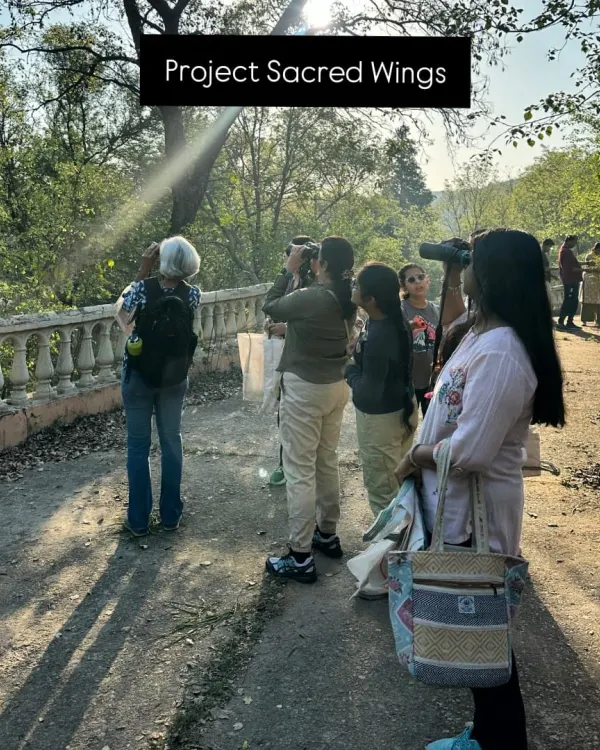
Exploring Urban Wilderness on Our Earth Walks
 19
19
Guided Nature Walks and Birding Trails in the Aravallis
 53
53
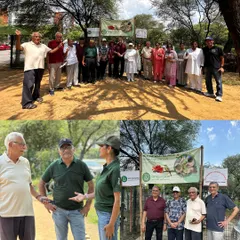
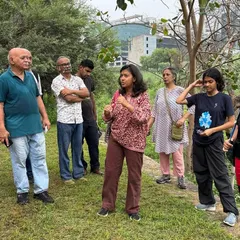
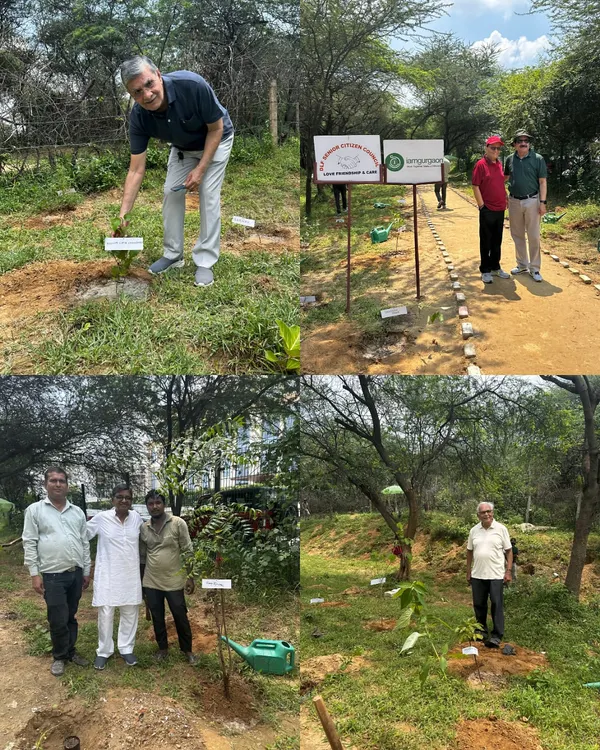
Join Gurgaon's Community-Led Environmental Movement
 19
19


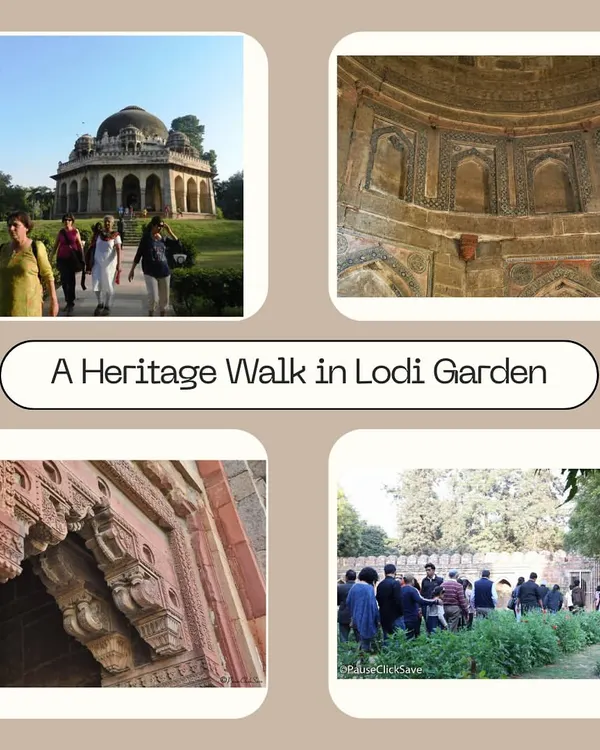
Heritage Parks and Gardens of Delhi: A Historical Exploration
 42
42
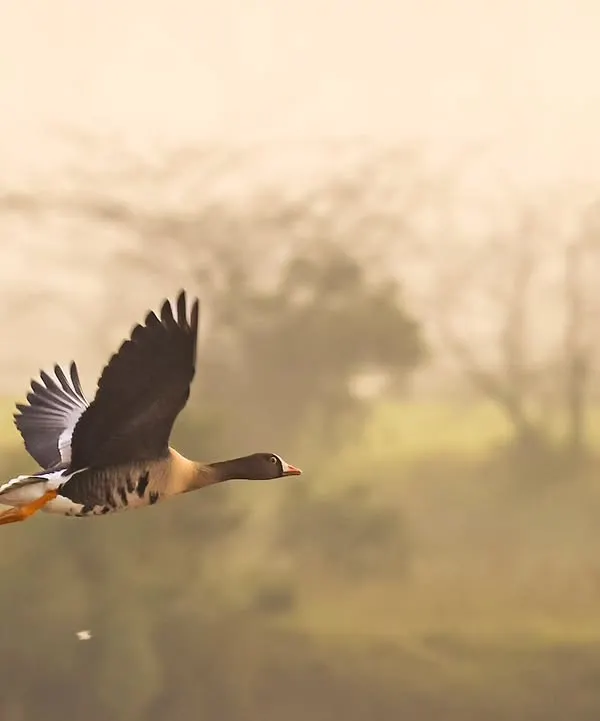
Birding Expeditions in Delhi NCR
Parent-Child Birdwatching Walks in Your City
More from Guided Nature & Biodiversity Walks by Give Me Trees Trust
More services by Give Me Trees Trust