Restoring Canvases: Preserving the Soul of Your Art
A painting is more than canvas and pigment; it is a vessel for memory. We apply ethical conservation techniques to stabilize your work, ensuring its legacy remains intact for the future.
Before: This is the state in which the early Bengal School painting arrived. Obscured by decades of grime and neglect, its true beauty was hidden, a jewel waiting to be uncovered.
After: The same Bengal School painting, post-restoration. Through patient cleaning and conservation, the vivid pastoral scenes, the divine figures of Krishna, and the lush landscape are revealed in their full splendor.
A case study in attribution, this painting of 'Shakuntala in the Court of Dushyanta' was sourced from the Travancore Royal Family. Our detailed study and restoration correctly identified it as a 1924 work by Rama Varma, not his father, Raja Ravi Varma.
This video details the five-year journey of the portrait of Diwan Sir Tanjavur Madhav Rao. It highlights our comprehensive process, from historical research and attribution to the final, painstaking restoration of the oil painting.
This restored portrait of 'The Young Nawab' showcases our expertise in handling delicate 19th-century works. The conservation, performed by the Rupika Chawla Studio, focused on stabilizing the canvas and reviving the rich detail in the robes and headdress.
The full view of 'Mahananda' by Rama Varma, a recreation of his father's masterpiece. Our restoration focused on preserving the warm tones and delicate details that define this elegant composition.
A detail from 'Mahananda', showing the glinting brass kindi and draped textiles. Our conservation work ensures that even the smallest elements, rich in South Indian domestic culture, are preserved with clarity.
The historic signature on the 'Mahananda' canvas: “After Ravi Varma — Rama Varma, 1968.” Cleaning and preserving this detail was crucial to honoring the painting's unique story of artistic homage.
M.F. Husain’s 'Sacrifice', a powerful acrylic on canvas from the late 1970s. The work was entrusted to us for conservation and reframing, ensuring the stability of the canvas and the vibrancy of Husain's layered tones.
A closer look at the ethereal details of 'Descent of the Ganga' by S.M. Pandit. This video explores the delicate brushwork and flowing forms that our archival and preservation efforts help protect.
About Restoring Canvases: A Legacy Reborn
When you bring a canvas to us, we start with a detailed condition report using UV fluorescence and raking light to identify structural issues that aren't visible to the naked eye. Our conservation process prioritizes reversibility, meaning every tear mending or consolidation technique we apply is designed to be safely removed in the future. We do not aim to make an old painting look brand new; we aim to preserve its structural integrity and historical patina so that the artist's original intent endures.
Conservation is a delicate dialogue between science and history. At Gallery G, we treat every artwork as a repository of cultural memory, which requires a rigorous, ethical approach to restoration.
Our Conservation Methodology
Our process is built on the principle of minimal intervention. Whether we are handling 19th-century oil portraits or contemporary acrylic works, we ensure that no treatment obscures the original hand of the artist.
- Structural & Surface Treatment: We begin by cleaning grime and removing oxidized, yellowed varnishes that alter the intended colour palette of the painting. For damaged canvases, we perform thread-by-thread weaving to mend tears and provide structural stability without compromising the integrity of the original fabric.
- Consolidation & Reintegration: When paint begins to flake or separate from the canvas, we use conservation-grade adhesives to stabilize the surface. In cases of pigment loss, our in-painting work is always distinct and reversible, adhering to international museum standards.
- Documentation: Every project undergoes a photographic log, tracking the 'Before,' 'During,' and 'After' stages. This ensures that the provenance and technical history of the intervention are preserved as part of the artwork's archive.
Why Professional Restoration Matters
Many collectors attempt to clean or repair heritage objects using household methods, which often causes irreparable chemical damage. Restoration is not just about aesthetics; it is about chemical stabilization. By neutralizing acidity and controlling moisture, we arrest the decay caused by time, environmental humidity, and past storage conditions. Whether you have a family heirloom needing delicate care or a significant piece requiring full-scale stabilization, our studio in Lavelle Road provides the technical expertise to ensure your art continues to speak to future generations.
Similar work from other experts
Browse through Curated picks from other experts on mytribe
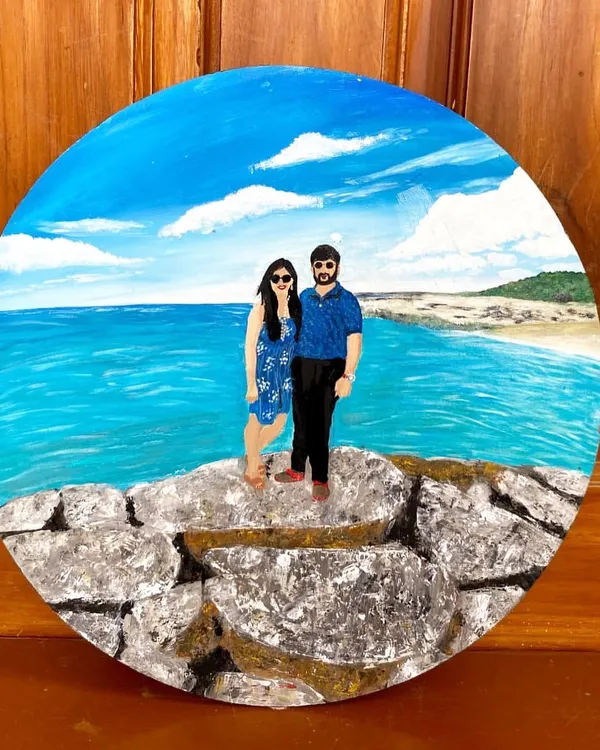
Custom Oil & Color Paintings for Cherished Memories
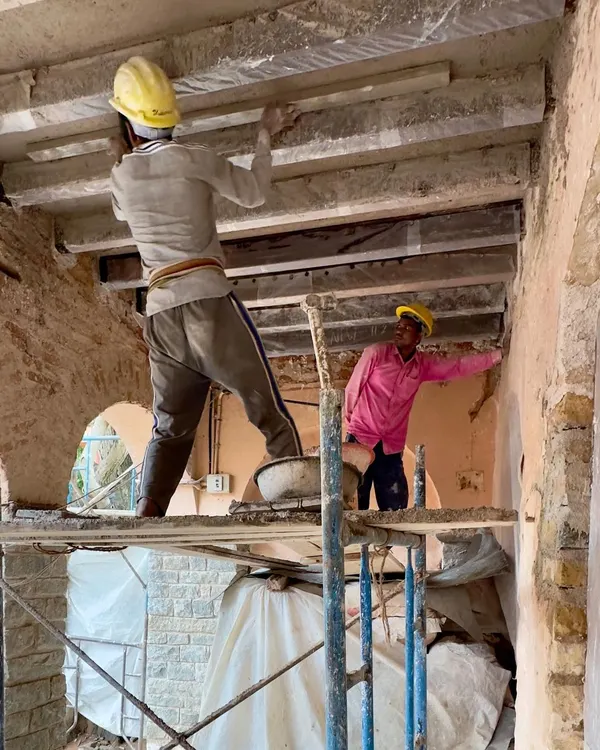 37
37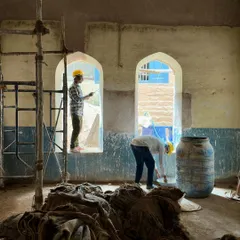
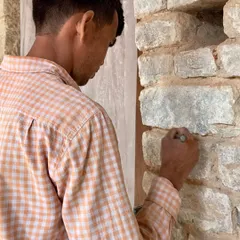
Heritage Building Restoration and Conservation Services
 20
20
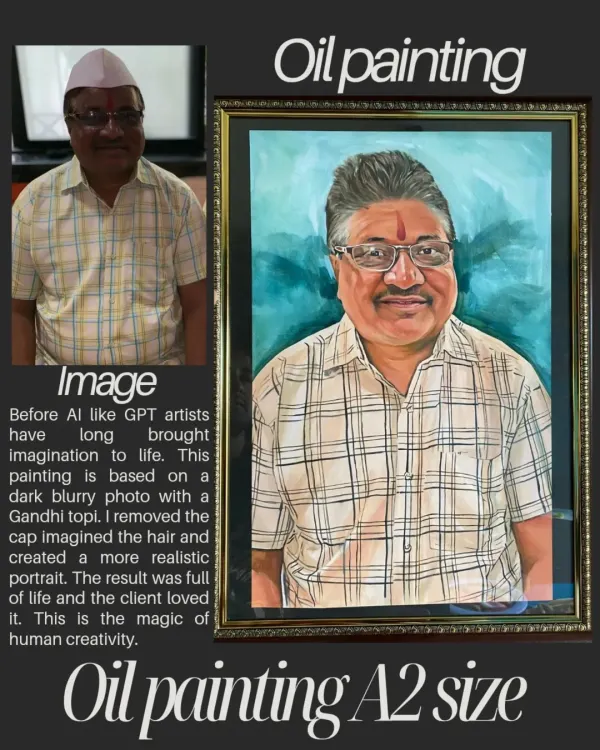
Hand-Painted Canvas Portraits and Custom Memory Art
 108
108
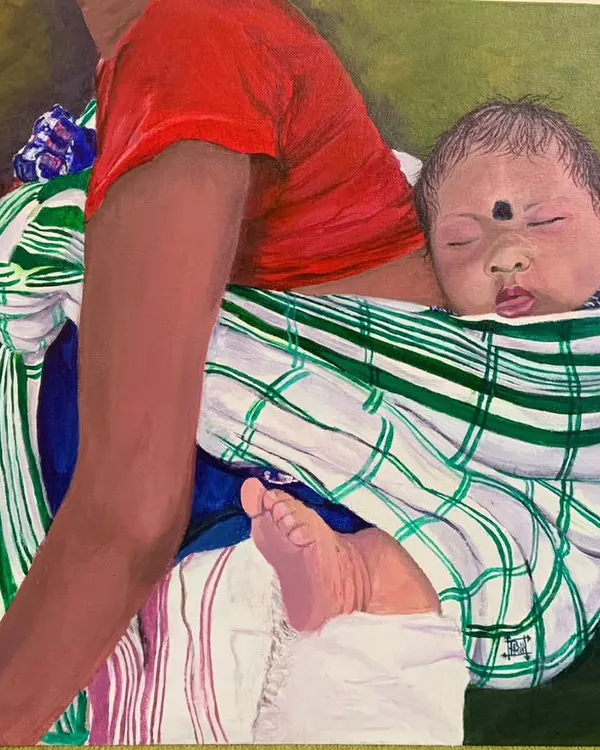
Lifelike Oil Paintings: Custom Portraits from Your Photos
 5
5
Custom Hand-Painted Portraits and Memory Art
 6
6
Custom Acrylic & Canvas Paintings
More from Art Conservation & Restoration by Gallery G
More services by Gallery G