Heritage Sculpture & Artifact Restoration
Art lives in more than just paintings. From century-old temple chariots to intricate wooden deities, we stabilize and restore the physical history embedded in three-dimensional objects.
This restored wooden panel from a temple chariot shows a musician atop a mythical creature. The project involved stabilizing the century-old wood, cleaning its surfaces, and preserving the incredible detail of the original carving.
A powerful depiction of Durga from the same chariot project. A significant crack in the wood was carefully stabilized, and the entire piece was treated to prevent further deterioration, preserving this dynamic scene.
This panel of Gaja Lakshmi, flanked by elephants, required careful cleaning to reveal the fine details of the carving. Our work on these 200 chariot pieces was a monumental exercise in heritage preservation.
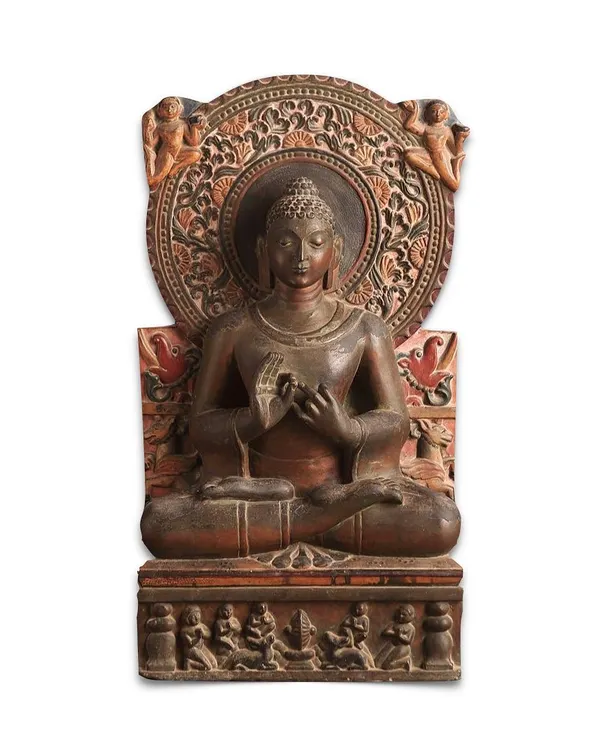
A seated deity figure, also from the dismantled chariot. Each piece was meticulously registered with the Archaeological Survey of India (ASI) before our conservation work began, ensuring a complete and ethical process.
This standing figure, framed within an architectural element of the chariot, showcases the narrative power of these carvings. Our restoration ensures these stories, carved in wood, can be told for another century.
This late 19th-century travelling temple of Radha and Krishna is an example of a functional heritage object we conserve. Our work ensures its structural integrity and preserves the delicate Tanjore paintings within.
We also handle contemporary sculptures, like this piece by Sangeeta Abhay. The video shows the delicate handling required for multi-material works combining teak wood, ceramic, copper, and gold leaf.
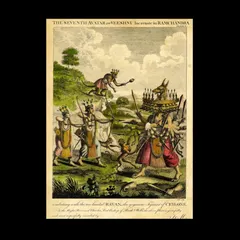
This image from our heritage collection, featuring a pair of painted figures, represents our commitment to researching, authenticating, and preserving pieces of cultural and historical significance.
About Preserving Three-Dimensional Heritage
Before we touch an artifact, we perform a detailed condition report using UV fluorescence and raking light. This isn't just about cleaning, it’s about understanding the internal structure of the wood or stone. Because our repairs are fully reversible, we ensure that while we fix the damage of the last century, we never compromise the original artist's hand for the next one.
Restoring three-dimensional heritage objects requires a delicate balance of science and sensitivity. Unlike a canvas, where the surface is the primary focus, a wooden sculpture or a heritage artifact involves structural complexities—pest damage, humidity-induced cracking, and the accumulation of ritual oils or soot.
Our approach is grounded in ethics. When we handled the restoration of a 100-year-old temple chariot, our process began with rigorous documentation. Each of the 200 components was registered with the Archaeological Survey of India (ASI) and categorized based on age and previous repair history. We didn't simply 'fix' the wood; we treated it for termites and fungal growth, injected resin into porous sections, and meticulously cleaned surfaces to reveal carvings that had been obscured by time.
Whether you have a Tanjore heritage piece, a contemporary teak and copper sculpture, or an ancestral heirloom, our methodology remains consistent:
- Structural Stabilization: We use non-corrosive dowels and reversible adhesives to secure loose elements, ensuring the object can support its own weight without further degradation.
- Cleaning & Deposit Removal: We carefully remove layers of soot, wax, and grime to uncover the original material and craftsmanship, rather than simply painting over the wear.
- Aesthetic Completion: If we must compensate for missing parts, we do so using identifiable materials that respect the original form while remaining distinct from the historic core.
We don't aim to make your pieces look brand new. We aim to honor the journey they have already taken, ensuring they stand strong for another century.
Similar work from other experts
Browse through Curated picks from other experts on mytribe
 37
37
Heritage Building Restoration and Conservation Services
 10
10
Traditional Home Restoration and Renovation Services
Heritage Restoration and Adaptive Reuse
 29
29
Antiquarian Treasures & Traditional Indian Art
 10
10
Heritage Home Restoration and Vernacular Architecture
 7
7
The Art of Curation: Decor and Artifacts
More from Art Conservation & Restoration by Gallery G
More services by Gallery G