Delicate & 3D Artwork Framing
Framing 3D objects and delicate paper art requires more than just a glass cover. I use custom shadow boxes, acid-free mounting, and precise spacing to protect your pieces while letting their texture stand out.
This video shows my process for framing delicate paper artworks by artist Ishita Chowdary. Each piece is handled with gloves and secured within a Venice black veneer shadow box frame to preserve its 3D structure.
This stunning painting on a leaf is floated on a dark, acid-free background to make its details pop. The simple white frame and hand-drawn border add a touch of elegance without distracting from the delicate artwork itself.
This intricate silver filigree fish is a perfect example of delicate object framing. I mounted it on a deep blue suede mat to create contrast and housed it in a light wood shadow box to protect its fine details.
This beautiful embroidery of a garden scene is preserved behind glass with a subtle grey mat. The sleek black wooden frame provides a clean, modern border that allows the vibrant colors of the threadwork to take center stage.
Watch as I assemble a frame for a delicate embossed paper artwork. Using a black metal shadow box frame gives the piece a contemporary feel and creates the necessary depth to protect the art from touching the glass.
A close-up of a layered artwork featuring a 3D Trishul element. The gold metal frame and multi-layered matting add a sense of richness and dimension, highlighting the artwork's intricate composition.
A corner detail of the framed leaf paintings, showing how four pieces can be arranged to create a larger, unified composition. The clean lines of the white frames meet perfectly, demonstrating precision craftsmanship.
A close-up of the delicate painting on a leaf. You can see the texture of the leaf itself, which is preserved by floating it within the frame, ensuring no part of the art is compressed or damaged.
About Delicate & 3D Artwork
The most common mistake when framing 3D objects or delicate textiles is letting the glass press directly against the surface. This causes crushing, mold, and damage over time. I construct custom shadow boxes with internal spacers, creating a physical gap between your artwork and the glazing so the piece can breathe safely while staying perfectly preserved.
When you have an item with dimension—like intricate papercraft, delicate filigree, or embroidery—you cannot use a standard frame. The structure of the art must be supported, not compressed. My process begins with an assessment of the piece's structural needs. For paper art, I use T-hinging, a conservation-grade method that secures the artwork using Japanese paper and starch paste rather than permanent adhesives. This allows the paper to expand and contract naturally with humidity changes in Mumbai, preventing buckling.
For 3D objects like coins, medals, or sculptures, I build deep shadow boxes. We select a depth that allows the object to sit comfortably behind the glass without making contact. We often line the interior with premium suede or velvet to provide a stable, non-reflective background that absorbs light and makes your piece the focal point.
I also prioritize the 'glass environment'. Using museum-grade, UV-protective glass is essential for delicate items, as it stops harmful light from fading colors and prevents the glare that often obscures 3D texture. Every frame is finished with a dust-cover seal to ensure your piece remains clean. Whether you are framing a family heirloom or a contemporary 3D design, my goal is to give you a result that looks beautiful today and stays that way for decades.
Similar work from other experts
Browse through Curated picks from other experts on mytribe
 6
6
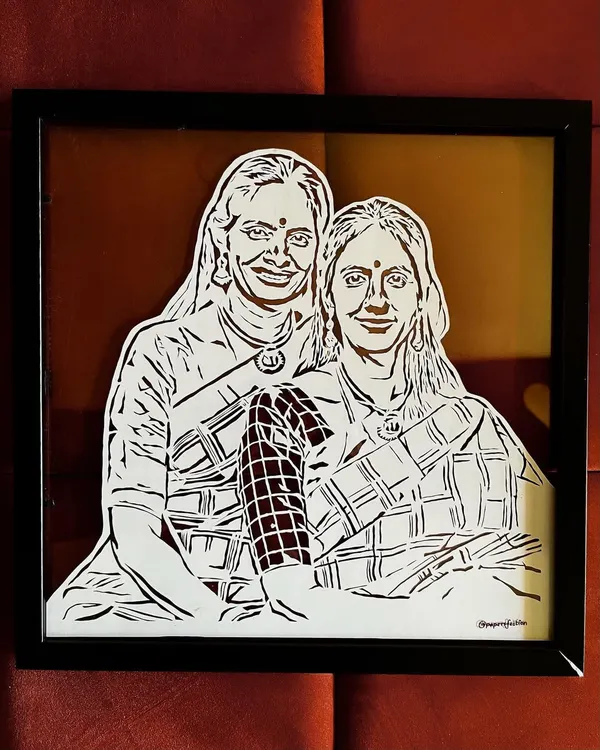
Custom Paper-Cut Portraits in Floating Frames
Custom Memory Shadow Boxes & Milestone Frames
 17
17
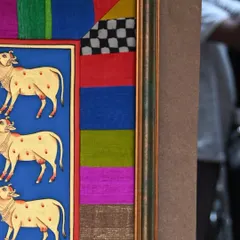
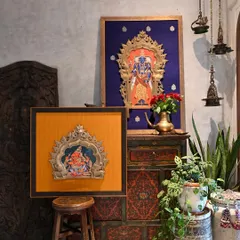
Framed Heirlooms: Custom Art Restoration and Display
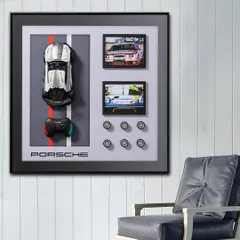
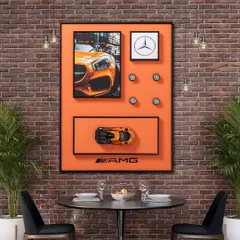
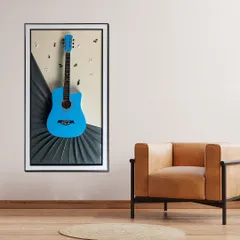
3D Shadow Box Art for Unique Wall Decor
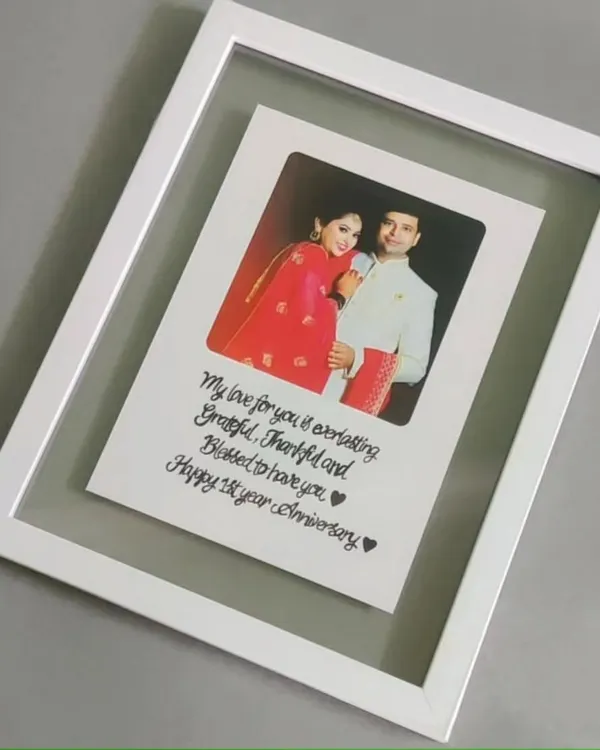 11
11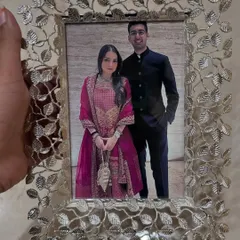
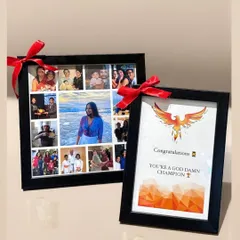
Personalized Frames and Custom Photo Art
Handmade Photo Frames and Custom Memory Boxes
More from Shadow Box & Memorabilia Framing by Framebazaar
More services by Framebazaar