Managing PCOD, Thyroid, and Diabetes with Nutrition
Health conditions often feel like they need endless medication. Let's look at how personalized, home-cooked nutrition can support your body's healing journey.
For my clients with PCOD, I focus on simple food swaps that work. Adding foods like quinoa to balance blood sugar, avocado for healthy fats, and methi water to improve insulin sensitivity can make a significant impact on hormonal health.
This 17-year-old client's journey is a powerful example of healing through food. Along with a 13 kg weight loss, her PCOD and thyroid issues were resolved, and her skin complexion improved, all with a balanced diet.
Your kitchen holds powerful remedies for many health issues. For constipation, ghee water works wonders. For thyroid issues, coriander seed water can help. I guide my clients on using these simple kitchen spices and herbs to relieve symptoms naturally.
Lowering cholesterol can be achieved naturally by adding the right foods to your plate. I recommend heart-healthy foods like olive oil, berries, whole grains, nuts, and avocados to manage cholesterol levels effectively.
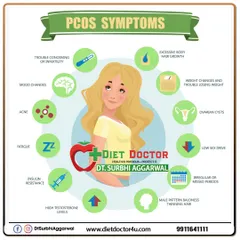
For managing PCOD, focusing on protein-rich foods is crucial. Protein helps fight cravings and balance insulin, which are key challenges for women with PCOS.
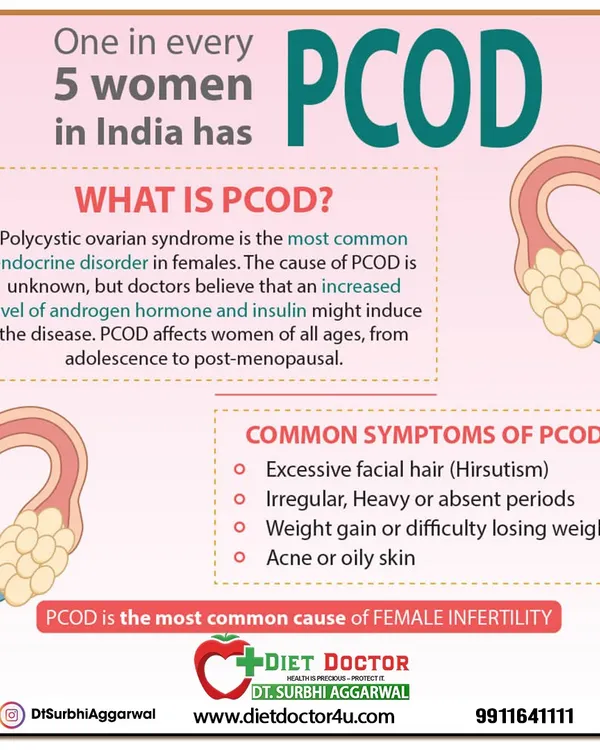
Symptoms like anxiety, stress, and constipation in PCOD can often be linked to a magnesium deficiency. I advise my clients to include magnesium-rich foods like bananas, spinach, pumpkin seeds, and almonds to improve these symptoms.
To manage unwanted facial hair associated with PCOS, I often suggest drinking herbal teas. One cup of spearmint or matcha tea daily can help in naturally decreasing androgen levels.
A simple tip for my PCOD clients is to snack on cashews and pumpkin seeds. These are rich in nutrients that can help decrease acne and balance testosterone levels.
For managing PCOD, I recommend including avocados and chia seeds in your diet. They contain healthy fats, fiber, and magnesium, which help lower inflammation and insulin resistance.
A simple 5-10 minute walk after meals is a great habit, especially for those with PCOD. It helps lower blood sugar levels and reduce insulin resistance by moving glucose into your cells for energy.
About Managing Health Conditions with Food
Most people I see with PCOD or insulin resistance focus only on their calorie count, but the missing piece is often how you manage your body's response to food. I encourage a simple 10-minute walk after lunch or dinner—not a gym workout, just movement—to help your cells absorb glucose better and stop those sugar spikes before they happen. It is not about perfect discipline, but about understanding what your body needs to process the energy you are giving it.
When you are managing a chronic condition like PCOD, thyroid issues, or type 2 diabetes, you aren't just looking for a weight loss chart. You are looking for stability. My clinical nutrition approach starts by looking at the root cause, not just the symptoms.
Why Clinical Nutrition Matters
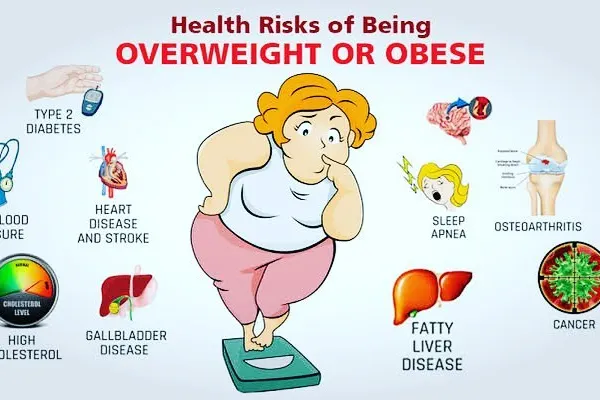
I don't believe in generic diets. Before we start, I look at your blood work—fasting insulin, TSH, CRP, and ESR levels—to see exactly where the inflammation is coming from. If your weight is stuck, it is often a sign of a sluggish metabolism or an underlying issue like fatty liver, not a lack of willpower.
My Approach to Healing
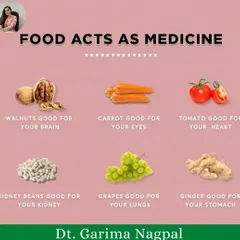
- Food as Medicine: We don't use exotic ingredients that break your budget. We use simple staples like methi, lauki, coriander seed water, and ghee, which our grandmothers knew were powerful for gut health and hormonal balance.
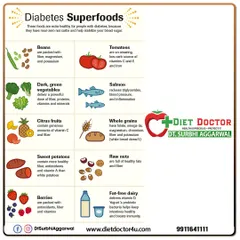
- Hormone Support: For PCOD, we focus on blood sugar regulation with fiber and healthy fats, using swaps like quinoa or sweet potato that don't make you feel deprived.
- Inflammation Management: Chronic pain or fatigue often comes from inflammation. By tracking markers like CRP, we can identify which foods might be triggering your discomfort and swap them out.
Whether you are dealing with PCOD symptoms like anxiety and acne, or working to normalize your sugar levels and recover from fatty liver, my goal is to get you to a place where you understand your own body. We aren't just managing a disease, we are building a lifestyle where you eventually need fewer supplements and more of the food you already love. Let's look at your reports and start working on a plan that fits your life, not the other way around.
Similar work from other experts
Browse through Curated picks from other experts on mytribe
Targeted Nutrition & Medical Diet Plans

Manage Health Conditions Through Nutrition
 6
6Nutrition for Managing Chronic Health Conditions


Diet Plans for PCOD, Thyroid, and Diabetes
 9
9
Therapeutic Diet Plans for Health Conditions
Managing PCOS, Thyroid & Diabetes Naturally
More from Personalized Weight Management Programs by Shweta Nakra
More services by Shweta Nakra