Coding Fundamentals A-Z: Building Blocks for Young Developers
Learning to code is like picking up a new language. We break down the complex technical jargon into simple, actionable concepts to help beginners get started with confidence.
Just starting your coding journey? This series provides five cool and essential coding tips for beginners to help you write better, more organized code from day one.
Beginner Tip 1: Comment your code. Writing little notes to explain what your code does is a crucial habit for understanding your work later and collaborating with others.
Beginner Tip 2: Use variables. Variables act like labeled boxes for your data, helping keep your code flexible, organized, and easy to update.
Beginner Tip 3: Learn to debug. Bugs are puzzles in your code. Using tools like console.log() or print() helps you see what is happening and find the source of the problem.
Beginner Tip 4: Use functions. Functions let you reuse blocks of code for specific tasks, saving you from writing the same logic over and over again.
A program flowchart is a visual map of your code's logic. This example shows a simple flowchart for determining if a number is even or odd, a great way to plan before you code.
Coding Vocabulary A: Abstraction. This is the process of simplifying complex systems. Think of a video game controller: you use it without needing to know the complex electronics inside.
Coding Vocabulary B: Boolean Values. A boolean is a data type that can only be true or false. Computers use these simple "switches" to make logical decisions.
Coding Vocabulary C: Compiler. A compiler is a program that translates code from a high-level language like Java into machine code that a computer can understand.
Coding Vocabulary D: Debugging. This is the essential process of finding and fixing errors, or "bugs," in your code to ensure it runs correctly.
About Coding Fundamentals A-Z
Our approach goes beyond memorizing syntax. Whether you are learning Python basics or understanding how a compiler works, we focus on the logic behind the code. In our live sessions, we show you how to use these concepts—like debugging or abstraction—to build real projects, not just copy examples from a textbook.
Why Coding Fundamentals Matter
Learning to code can be intimidating when you are buried in technical terminology. We strip that away. Understanding the difference between a compiler and an interpreter, or knowing how to use Boolean values to make logical decisions, is what separates a typist from a programmer.
Our Logic-First Approach
We believe in teaching logic before syntax. You might know the grammar of Python, but if you cannot visualize the flow of your program, you will struggle when things go wrong. That is why we emphasize flowcharts, debugging techniques, and abstraction early in our courses.
Core Concepts We Cover
- Logic & Flowcharts: Before writing code, you need to map the path. We teach you how to visualize the solution.
- Debugging: Bugs are not failures; they are puzzles. We teach you how to read error messages and trace problems instead of getting frustrated.
- Programming Basics: From variables and functions to abstraction and frameworks, we provide the foundational knowledge required for any career in tech.
How to Start Your Journey
We offer live, interactive sessions and weekend intensives designed to take you from "Hello World" to building your own projects. Whether you are a student exploring a new hobby or a professional looking to automate tasks, we have a batch that fits your level. No prior experience is needed, just curiosity.
Similar work from other experts
Browse through Curated picks from other experts on mytribe
 17
17
Coding Concepts Explained for Kids
 23
23
Core Concepts in Coding, Robotics, and AI
 21
21
Python Quick Guides for Aspiring Coders
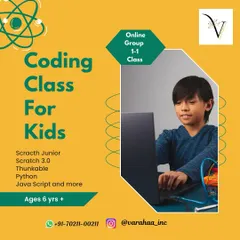
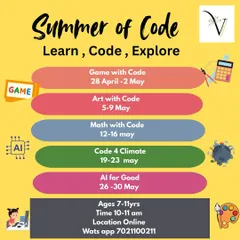
Coding & App Development Classes for Kids
 5
5
Coding Classes for Kids: Start Your Coding Journey
Why Coding is a Superpower for Kids
More from Professional Tech & AI Workshops by Code Minors
More services by Code Minors