Coding Concepts Explained for Kids
Coding is more than just typing on a keyboard. We break down the logic behind every line of code into simple, screen-free games that help your child think like a programmer. 🧠
Word of the Day: Algorithm. We explain it simply: like a recipe for baking cookies, an algorithm is a set of instructions to solve a problem or create something cool.
Wondering what "computational thinking" really means? We break it down using fun, simple analogies that make this powerful problem-solving skill easy for anyone to understand.
Analogy 1: Computational thinking is like a GPS for your brain. It guides you through the twists and turns of any problem with precision, helping you find the best path to the solution.
Analogy 2: Computational thinking is the cool DJ of coding. It orchestrates a symphony of logical beats to create harmonious and effective solutions to complex problems.
Analogy 3: Computational thinking is the Sherlock Holmes of the digital world. It teaches you to deduce, infer, and solve mysteries hidden within complex problems by looking for clues and patterns.
Analogy 4: Computational thinking is like a treasure map for creativity. It provides a structured path that leads you to the "X" that marks the spot of ingenious and innovative ideas.
Analogy 5: Computational thinking is a magic wand for logical wizards. It allows you to conjure up solutions that seem almost like spells in the world of problem-solving enchantment.
Word of the Day: Loop. We explain it with a fun analogy: it's like a magic carpet ride that keeps circling until you give the command to stop. This helps kids understand repetition in code.
Word of the Day: Syntax. Think of it as the grammar of coding. Just like in English, syntax ensures your instructions are clear and understandable to the computer.
Word of the Day: Interface. We describe it as the control panel of a spaceship, letting you steer your code through the digital universe. It's how you interact with a program.
About Coding Concepts Explained
Before a single line of code is typed, our students learn to 'verbalize' their logic. Whether it is an algorithm or a conditional statement, they must explain their process out loud to our instructors first. This ensures they truly understand the why of the problem before they focus on the how of the programming, preventing the mindless block-dragging habits we see elsewhere.
Building the Foundation of Computational Thinking
Many programs rush children into writing code, but we believe in starting with the thinking process itself. Computational thinking is a toolkit for problem-solving that is essential for every young learner, regardless of whether they grow up to be a software engineer or something entirely different.
How We Demystify Technology
We strip away the digital interface to show what is happening under the hood.
- Algorithms: We teach these as step-by-step recipes, like baking cookies. If you skip a step, the result fails. This teaches attention to detail and sequencing.
- Loops: Think of a magic carpet ride that keeps moving until you say "Stop!" We use this to explain repetition in code without needing a computer.
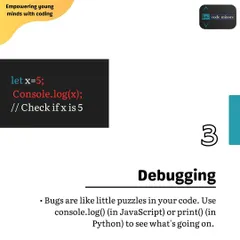
- Debugging: We frame this as being a superhero for your code. It turns frustration into a puzzle where the child identifies the error and fixes it, building resilience and analytical skills.
Why Screen-Free Matters
By moving away from devices initially, children focus on the core logic—pattern recognition, decomposition, and sequencing—without the distraction of flashy graphics. When they eventually move to Scratch, Python, or Java, they aren't just following tutorials. They understand the fundamental structure of what they are building.
Our workshops are designed to be interactive and hands-on, ensuring your child learns through doing, creating, and collaborating. This approach helps them feel confident and capable, turning complex concepts into manageable, fun challenges.
Similar work from other experts
Browse through Curated picks from other experts on mytribe
Unplugged Coding for Kids: Logic Without Screens
 31
31
Coding Fundamentals A-Z: Building Blocks for Young Developers
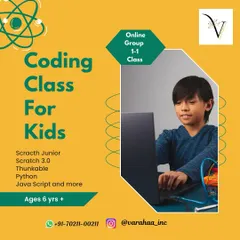
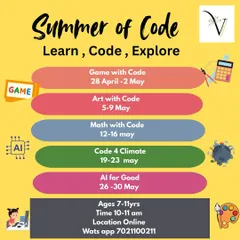
Coding & App Development Classes for Kids
Why Coding is a Superpower for Kids
 26
26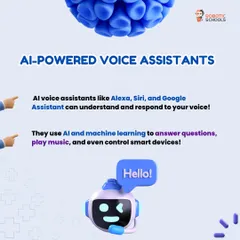
Understanding the World of Tech: Robotics and Coding Basics for Kids
 23
23
Core Concepts in Coding, Robotics, and AI
More from Online Coding Classes for Kids by Code-Riite
More services by Code-Riite