Python Quick Guides for Aspiring Coders
Coding should feel like a creative adventure, not a textbook exercise. We have broken down core Python concepts into simple, bite-sized visuals to help your child get started with confidence.
New to Python? Start here. This guide introduces 5 basic Python functions that are essential for any beginner programmer to learn.
The 'print()' function is one of the first commands you'll learn in Python. This graphic explains its simple syntax and its process for displaying a message on the screen.
Understanding how to create a new line is crucial for formatting text in your code. This post explains the '/n' syntax used to indicate the end of a line.
This graphic explains the 'input()' function in Python. We show how to use this syntax to add a question to your program to obtain an input value from a user.
Variables are a fundamental concept in programming. This guide breaks down the two step process of naming a variable and assigning a value to it.
Need to know the length of a string? The 'len()' function is the tool for the job. This post explains how it determines the number of characters in a string.
Conditional logic is key to programming. This series of images explains the 5 main types of 'if' statements used in Python to make decisions in your code.
The simple 'if' statement. This graphic shows the basic syntax: if a certain condition is met, then the program will perform a specific action.
What if the first condition isn't met? This post introduces the 'if-else' statement, which allows your code to perform an alternative action.
For more complex logic, you can use a 'nested if' statement. This allows you to check for a second or third condition after the first one is met.
About Python Quick Guides
These visuals help, but the real benefit is how we use them in class to bridge the gap from block-based coding to text-based Python. We ensure kids do not just memorize syntax, but understand exactly how each command manipulates data, so they can actually build their own calculators and text adventure games without feeling overwhelmed.
Moving From Blocks to Python
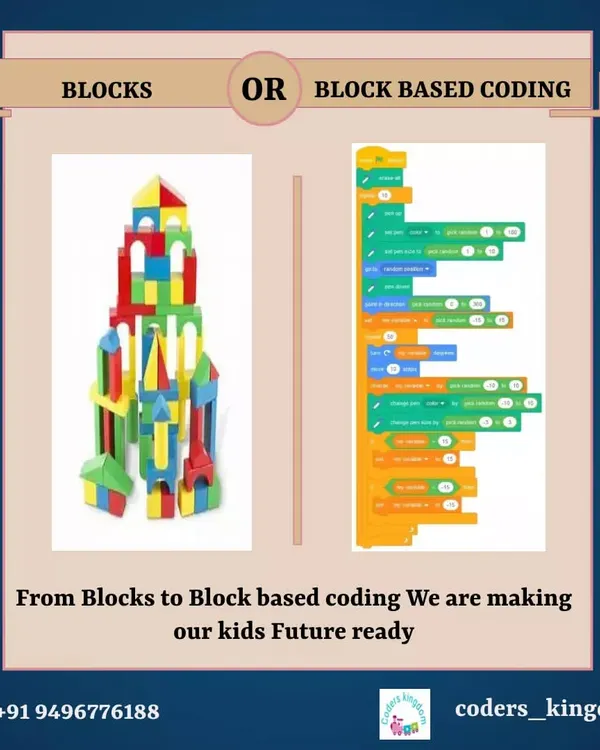
Many students transition from block-based platforms like Scratch into Python and find the jump to text-based programming intimidating. Our curriculum is designed to prevent this by focusing on logic first. We show students how to read error messages, debug their logic, and use peer-teaching to understand complex ideas.
What We Cover
- Foundational Syntax: From the simple
print()command to understanding variables, we make sure students grasp the 'why' behind the code. - Logical Thinking: Our lessons on
if-elsestatements and loops help children think like engineers. They learn to structure their thinking before they ever type a line of code. - Practical Application: Students do not just learn functions in isolation. They use them to build functional mini-applications like number-guessing games or basic calculators.
Why Our Approach Works
We keep our batches small, typically 6-10 students, so every child gets personalized guidance. Whether your child is just starting their coding journey in Grade 5 or already has some experience, our Python modules are structured to be hands-on and interactive. We focus on reading code, not just writing it, which builds the critical thinking skills needed for long-term success in computer science. If you have ever wondered if your child is ready for text-based coding, the answer is usually yes, provided they have the right guidance to break it down into manageable steps.
Similar work from other experts
Browse through Curated picks from other experts on mytribe
 5
5
Coding Classes for Kids: Start Your Coding Journey
 69
69
Understanding Core Coding Concepts & Logic
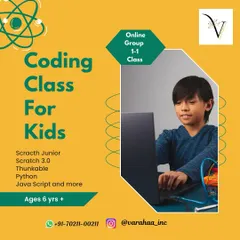
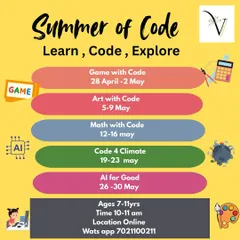
Coding & App Development Classes for Kids
Student Coding Projects: App Development & Games
 5
5
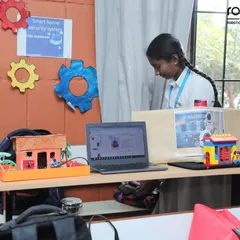
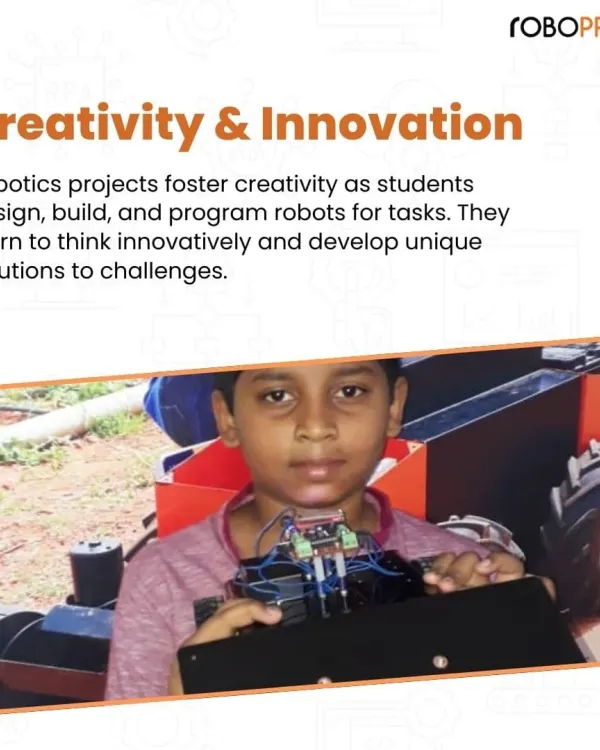
Student Robotics Projects and Coding Innovations
 6
6Live Online Coding Classes for Kids
More from Coding and AI Programs for Kids by Robomations
More services by Robomations