Practical Resources for Child Development
We believe in partnering with families by offering evidence-based, gentle guidance to support your child's unique developmental journey.
What if outings didn't have to feel like bracing for a storm? We've put together tips to make trips easier, calmer, and more joyful for your children with neurodiversity.
Fun often begins with familiarity. For neurodivergent children, showing pictures or videos of a new place beforehand can reduce anxiety and build confidence. Predictability is a powerful tool.
A simple tip for calmer outings is to pack a sensory kit. Familiar items like noise cancelling headphones, calming toys, or a favorite snack can help your child stay regulated in unfamiliar spaces.
Asking the right questions before visiting a new space can prevent overwhelm. Inquire about lighting, quiet times, or if the staff is trained to support sensory needs to help you prepare.
It's okay if things get "too much." Having an exit plan is a great strategy. Pick a quiet spot ahead of time, agree on a cue for feeling overwhelmed, and plan how to step away calmly.
If you face judgment during an outing, remember that you are your child's best advocate. Trust your instincts and have a simple explanation ready, like "She's neurodivergent, new places can be tough sometimes."
Every child grows differently and at their own pace. While there are key milestones that signal healthy development, some delays can be subtle but important to recognize. We are here to help you understand when to seek support.
Developmental milestones like speaking, walking, or socializing are indicators of a child's progress. Missing or delayed milestones can signal difficulties with speech, learning, or motor skills where early support can be beneficial.
This graphic outlines common signs of developmental concerns, such as not reaching milestones, difficulty with coordination, or trouble with language. Early intervention can make a big difference.
Here are some developmental signs to look for, including struggling to connect with peers, repetitive behaviors, or difficulty with sensory input. Every child is unique, but support is crucial when concerns arise.
About Resources for Parents
Recognising developmental milestones, such as speech, motor skills, or social cues, can often feel daunting for parents. Knowing exactly what to look for is the first step toward getting the right help. We provide concrete, observation-based resources to help you identify when your child might need a little extra support, moving you from uncertainty to clear, actionable care.
Understanding Developmental Milestones
Every child grows at their own pace, but recognizing patterns—such as delays in language, difficulty with social connection, or challenges in sensory regulation—is important. Our resources are designed to help you observe these subtle signals, providing a foundation for early intervention when necessary.
Managing Daily Transitions
Outings, school mornings, and new social situations can often feel overwhelming for neurodivergent children. We offer practical strategies for these moments, from packing sensory kits to using visual cues, helping you create a calmer environment that respects your child’s unique needs.
When to Seek Support
If you notice persistent academic difficulties, social withdrawal, or challenges with emotional regulation, it may be time to consult a professional. We encourage parents to view therapy not as a correction, but as a form of support. Our approach focuses on building resilience, fostering self-worth, and providing your family with the tools to navigate life’s stages with confidence.
A Collaborative Approach
You are your child's best advocate. Our role is to partner with you, blending professional insights with your deep, personal knowledge of your child to create a path forward that feels right for your family.
Similar work from other experts
Browse through Curated picks from other experts on mytribe
Parenting Wisdom & Resources
 36
36

Parent Education & Family Workshops
 7
7


Parenting Facts, Myths, and Practical Care Tips
 30
30

Practical Parenting Tips for Mindful Growth
 13
13


Partnering with parents for holistic child development
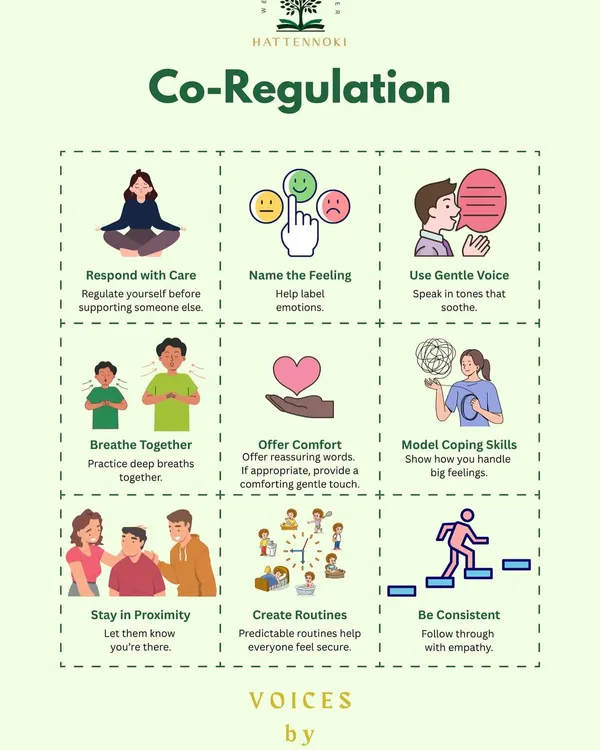 13
13
Nurturing Hearts and Minds: Practical SEL Resources
More from Early Intervention & Development Programs by Children First
More services by Children First