From Seed to Cup: Understanding Coffee's Journey
Great coffee starts long before it hits the portafilter. We break down the science of terroir, processing, and roasting so you know exactly what is in your cup.
When it comes to flavor, everything matters. We teach how the coffee species, processing method, and roast degree all interact to create the final taste in your cup.
Terroir is nature's fingerprint on your coffee. We explain how altitude, soil, climate, and shade combine to give each coffee origin its unique flavor.
From the initial drying and yellowing to the first crack and development, we break down the entire coffee roasting process so you can understand how flavors are created.
Quality control starts with the green beans. Our training helps you identify defects like unripe, over-fermented, or unpulped cherries that can ruin a batch.
Know your beans. This graphic provides a detailed comparison of Arabica and Robusta, covering their origin, taste profiles, caffeine content, and growing conditions.
Green grading is the first quality gate. Identifying defects ensures only high-quality beans are roasted, leading to a more consistent and flavorful cup.
Proper drying and storage are crucial post-harvest steps. We explain how methods like using raised beds help regulate moisture and preserve the bean's flavor.
To avoid mold growth and fermentation errors, coffee beans must be dried evenly. We cover the best practices for this critical stage.
Quality starts with the harvest. We explain the importance of selective picking and sorting to ensure only the ripest, highest-quality cherries make it to the next stage.
Techniques like flotation and hand sorting are key to enhancing coffee quality by removing defects and ensuring consistency in flavor and appearance.
About From Seed to Cup: Understanding Coffee's Journey
If you are running a cafe, guessing won't build loyalty. When you understand the difference between a washed and natural process, or why a specific roast degree changes the entire profile, you stop relying on gut feeling and start building a consistent menu. We help you look past the branding and focus on the green bean grading and roasting standards that actually dictate whether your customer comes back for a second cup.
The journey from farm to cafe is often romanticized, but it is actually a series of precise technical decisions.
Terroir and Varietals
We teach you to distinguish the impact of altitude, soil, and climate, known as terroir. It is why an Ethiopian bean does not roast like a Coorg cherry. Understanding these variables helps you source better and set expectations for your roast.
Green Grading
This is where most businesses lose money. Learning to identify defects like full blacks, sour beans, or insect damage before roasting is the only way to ensure quality. If the raw material is faulty, no amount of expensive equipment can save the final brew.
The Roast Profile
We demystify the crack. Whether it is light, medium, or dark, understanding heat application and development time is essential. It is not just about the color; it is about managing acidity, sweetness, and bitterness to hit your target flavor profile.
Processing Impact
Whether your beans are processed via honey, natural, or washed methods, this dictates the body and clarity in your cup. We help you map these processing techniques against your desired menu goals, so your signature drinks actually taste the way you intended.
Practical Application
Theory is useless without application. Our sessions are built around sensory analysis, helping you calibrate your palate against industry standards. It is about knowing your coffee at every stage so you can serve a product you are actually proud of.
Similar work from other experts
Browse through Curated picks from other experts on mytribe
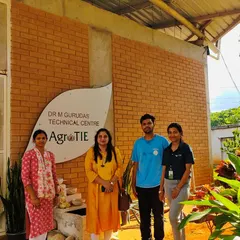
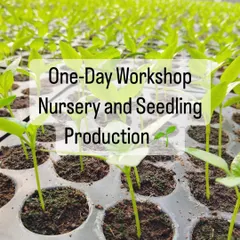
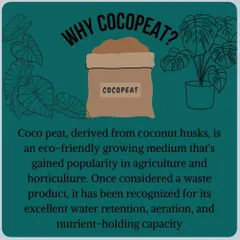
Seedling Production & Nursery Management Training
 14
14
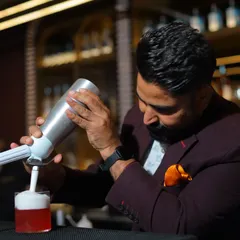
Behind the Bar: My Mixology Process
Cafe-Style Coffee Workshops


Professional Floral Design Courses for Aspiring Florists
Beverage Photography and Visual Storytelling
Sensory Workshops: Perfumery and Culinary Experiences
More from Cafe Consulting Services by Barista Training Academy
More services by Barista Training Academy