Manual Therapy and Recovery Techniques for Athletes
Evidence-based recovery to accelerate tissue repair. We use targeted manual therapy and science-backed protocols to reduce stiffness, manage training load, and get you back to peak performance.
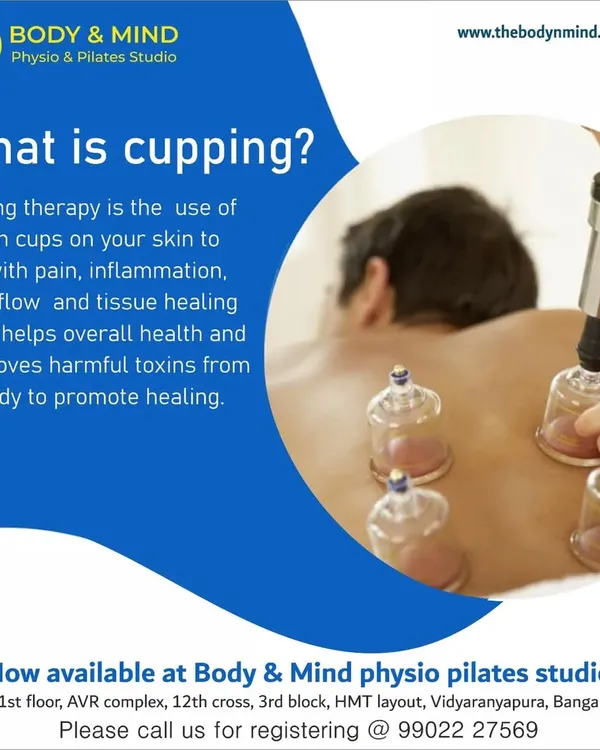
Cupping therapy is a technique we use to promote recovery. By creating suction, it draws blood flow to the area, which can help reduce muscle stiffness and stimulate the body's natural healing process. This video shows the application on an athlete's back to relieve tension.
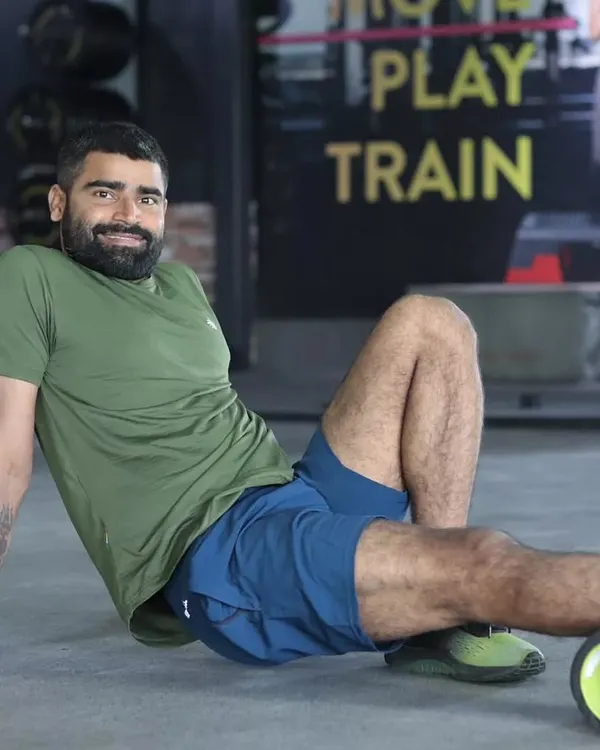
Many athletes ask if foam rolling actually breaks up knots. While it doesn't physically break adhesions, it works by stimulating the nervous system to relax tight muscles and by increasing blood flow, which helps reduce the perception of stiffness and improve flexibility.
About Manual Therapy & Recovery Techniques
Recovery at our lab is not about passive rest. We combine manual therapy, such as cupping and soft tissue mobilization, with targeted load management to actively accelerate the healing process. Whether you are dealing with chronic muscle stiffness or acute training fatigue, our approach relies on the science of tissue repair and nervous system regulation rather than standard massage protocols.
Beyond Passive Recovery
Many athletes treat recovery as an afterthought. At Athletes Lab, we integrate manual therapy into your broader performance roadmap. We do not just target the site of pain, we assess how your nervous system is handling total training volume.
The Science of Our Techniques
- Cupping Therapy: We use suction to create negative pressure on the skin. This triggers localized inflammation and directs blood flow to the area, which helps break up stagnation in the connective tissue and reduces muscle tension.
- Foam Rolling and Soft Tissue Work: While these techniques do not physically break up adhesions, they are powerful tools for neural regulation. By applying external pressure, we help down-regulate the sympathetic nervous system and improve perceived flexibility, allowing for smoother movement patterns during your next session.
- Load Management: Recovery is ineffective if your training load is inconsistent. We monitor your exertion levels using velocity-based sensors to ensure your body is not being pushed beyond its capacity to recover.
Why Data Matters in Recovery
We do not guess, we assess. Every manual therapy session is informed by your biomechanical profile. If we identify consistent tissue tightness in the same muscle group, we use that data to adjust your strength and conditioning program. This prevents the cycle of injury and ensures that your recovery time is actually contributing to long-term athletic development.
Similar work from other experts
Browse through Curated picks from other experts on mytribe
Advanced Physiotherapy & Recovery Techniques

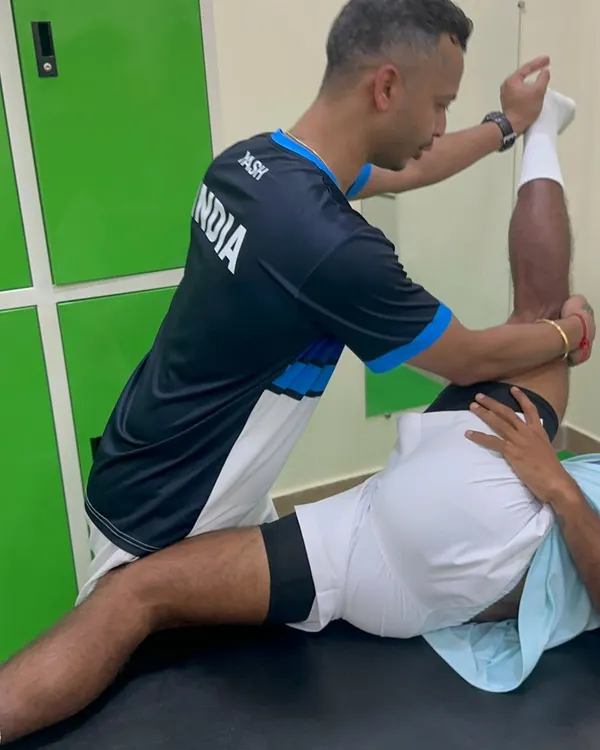
Our Hands-On Treatment Methods
 5
5
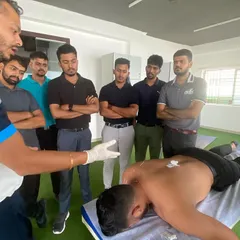
Manual Therapy and Hands-On Recovery Techniques
Advanced Physiotherapy Techniques for Faster Recovery
 5
5

Master Your Flexibility & Recovery
 18
18
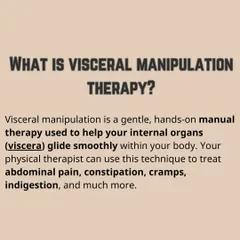
Manual Therapy & Advanced Techniques in Vidyaranyapura
More from Injury Prevention & Rehabilitation by Athletes Lab
More services by Athletes Lab