Protecting Your Digital Life and Data
Digital scams are getting smarter, but knowing the law is your best defense. I break down your rights and help you fight back when your privacy is compromised.
Even downloading wallpapers or using fun AI filters can be risky. Unofficial websites and apps offering things like Ghibli-style art often track your activity or ask for personal details, which can be misused for identity theft or creating deepfakes. I explain how to enjoy online content safely.
When a major hospital like AIIMS gets its servers hacked and held for a 200 crore ransom, it shows that no one is safe. This incident highlights how vulnerable our critical infrastructure and personal data are to large-scale cyberattacks. I discuss the implications of such data breaches.
Can someone, like a school official, legally seize and check your phone? The right to privacy is a fundamental right, but it has its limits, especially in public institutions versus private settings. I discuss the legal nuances of when your phone can and cannot be checked without a warrant.
About Protecting Your Digital Life & Data
When you get scammed, your first move determines the outcome. Most people panic and delete chats, but those screenshots and transaction logs are your primary evidence under the IT Act. Do not delete a single message, secure your bank logs, and report it on the National Cyber Crime Portal before doing anything else.
Digital risks have shifted. It is not just about OTPs anymore. Whether it is apps stealing data through seemingly innocent AI filters or large-scale server breaches like the AIIMS incident, your personal information is a constant target for hackers.
Your Digital Rights
You have a fundamental right to privacy, but enforcing it requires understanding how to handle your digital footprint. If an institution or app misuses your data, you are protected under the Digital Personal Data Protection Act and various IT Act provisions.
Handling a Breach
If you find yourself in the middle of a cyber crisis, follow these steps:
- Secure Evidence: Never format your device if you suspect a breach. Take timestamped screenshots of every transaction and conversation.
- Official Channels: Skip unofficial helplines. Always report incidents directly to the National Cyber Crime Portal (1930).
- Legal Strategy: Depending on the scale of the fraud, we determine if a Section 420 IPC complaint for cheating or an IT Act violation case is the more effective route.
My work involves navigating these specific scenarios for clients in Delhi NCR and beyond. Whether you are dealing with a compromised account or corporate data theft, the process involves a mix of evidence audit and police escalation. Do not assume the system will handle it automatically. You need to be the one pushing the file.
Similar work from other experts
Browse through Curated picks from other experts on mytribe
Cyber Law and Digital Safety Awareness
 4
4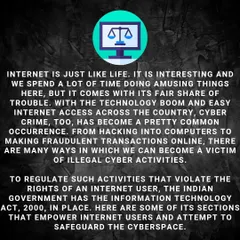
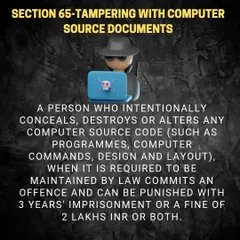
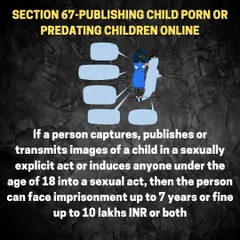
Know Your Cyber Rights: The IT Act Explained
Online Legal Safety: Digital Suraksha & Cyber Laws
 7
7
Understanding Your Rights in Cyber Law

Cyber Kanoon: Protect Yourself from Online Fraud
Legal Advice for Cybercrime and Digital Fraud
More from Cybercrime & Online Fraud Law by Arvind Maniam K
More services by Arvind Maniam K