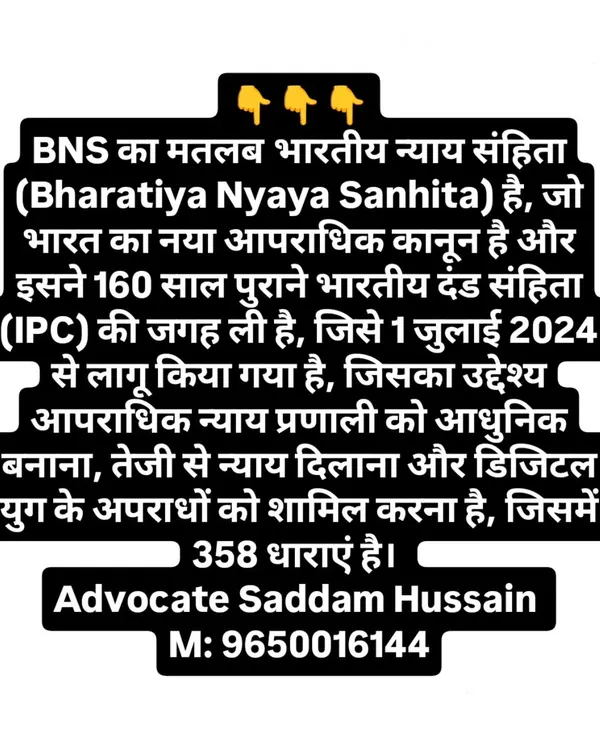
Understanding India's New Criminal Laws (BNS & BNSS)
The legal system has evolved. I break down the BNS, BNSS, and BSA into simple terms so you know exactly where you stand, whether you are dealing with a fresh legal issue or an ongoing case.
The new laws have introduced over 20 major changes to our justice system. In this video, I explain some of the most important ones, like the ability to file an online FIR from anywhere, mandatory videography of crime scenes, and a 45-day limit for judgments to reduce delays.
I cover five game-changing facts about India's new laws. Now, digital evidence like WhatsApp chats and emails are fully admissible in court, and cyber fraud is treated as a much more serious offense. This is a big step forward in getting justice for online crimes.
Filing a complaint is just the first step. Under the new Bharatiya Nagarik Suraksha Sanhita (BNSS), there is a clear process for preliminary inquiries, especially for offenses with punishments between 3 to 7 years. I explain how this new procedure, including timelines for investigation, is designed to make the police more accountable.
About Understanding India's New Criminal Laws
With the shift to the Bharatiya Nyaya Sanhita (BNS) and Bharatiya Nagarik Suraksha Sanhita (BNSS), the rules for FIRs, digital evidence, and arrest procedures have fundamentally changed. Old knowledge might actually mislead you in current police interactions or court appearances. Whether you are dealing with a pending case or a fresh legal worry, understanding how these specific sections apply to your situation today—not what we practiced five years ago—is the difference between a stalled process and a proactive defense.
Why The New Laws Matter to You
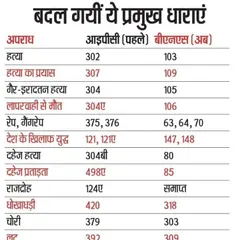
Many people think the law is just a name change, but it is much deeper. When you are standing at a police station or facing a court notice, quoting the old IPC sections won't help you anymore. The new framework (BNS, BNSS, BSA) changes the timelines, the nature of evidence, and even the power dynamics with the police.
Key Changes You Should Know
- Digital Evidence is Now King: Under the new laws, WhatsApp chats, emails, and call logs are explicitly admissible as evidence. If you have been scammed or threatened digitally, your digital footprint is now your strongest weapon.
- Timelines for Justice: The BNSS introduces stricter timelines for police investigations, particularly in cases involving women and children. If a case is dragging, we now have specific legal grounds to push for completion.
- Online FIRs: You can now register an FIR from anywhere. Knowing how to do this correctly without getting caught in procedural red tape is crucial.
How I Help You Navigate This
I don't just explain the law; I apply it to your 'lafda' (legal trouble). When you consult with me, we look at your specific situation:
- Evidence Audit: We check if your digital proofs (screenshots, voice notes) are formatted correctly for the new BSA requirements.
- Procedure Check: We ensure your complaint follows the new Section 173 BNSS protocols so the police cannot dismiss it easily.
- Strategy: If you are the accused, we analyze how the new 45-day judgment rules or specific sentencing changes affect your bail or trial strategy.
Don't let confusion lead to a wrong legal step. If you are worried about how these laws affect your current case, let's talk and figure out your next move.
Similar work from other experts
Browse through Curated picks from other experts on mytribe
Decoding the New Criminal Laws: Practical BNS and BNSS Guidance
Navigating Court Procedures & New Laws
 9
9


Know Your Rights: Simplifying Legal Procedures
Legal Updates & Practical Commentary
 17
17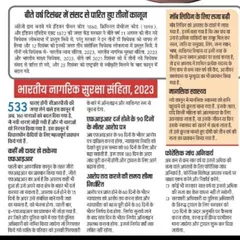

Know the Law: Legal Procedures & Rights in India
Navigating Complex Criminal & Cyber Law Cases
More from Cybercrime & Online Fraud Law by Arvind Maniam K
More services by Arvind Maniam K