Legal Advice for Cybercrime and Digital Fraud
In the digital world, legal smartness is your shield. Here is practical advice to protect yourself from online fraud, data breaches, and digital harassment.
I share a real-life story of a friend who was scammed out of ₹20,000. He received a fake message about money being credited to his account, followed by a call from a fraudster who tricked him into returning the amount. Always verify your bank statement before transferring money based on SMS alerts.
If you fall victim to a financial cyber fraud, you must act immediately. The first step is to register a complaint on the national cybercrime portal (cybercrime.gov.in) and call the helpline number 1930. This can help in getting the fraudulent transaction put on hold.
If an unknown amount is credited to your bank account, do not use it. Immediately inform your bank manager in writing and request a charge back to the source account. Failing to do so can lead to your account being frozen by the cyber police, and unfreezing it can be a long and difficult process.
The desire for 'easy money' is the biggest reason people fall for cyber frauds. Fraudsters exploit this mindset to lure you into scams where you can lose your life's savings. I believe that true financial growth comes from hard work, dedication, and consistency, not shortcuts.
I recently received a fraudulent job offer message from a fake company. I expose how these scammers create fake documents, like a forged Company Incorporation Certificate with a GST number instead of a CIN and even a fake digital signature of the Finance Minister. I explain how to spot these red flags to avoid such scams.
If you suddenly start receiving a flood of spam calls and messages, it could be an SMS bombing prank. I advise you to switch off your phone for a while and avoid clicking any links. If the problem persists, you can send 'FULL STOP' to 1909 to block promotional messages or file a complaint with the cyber cell.
If someone misuses your personal or intimate photos online without your consent, you can take immediate action. I introduce the 'Stop Non-Consensual Intimate Image Abuse' portal (stopncii.org). You can submit the link to the abusive content, and the portal works with social media platforms to remove it.
Is the Telegram app safe? You should know that chats on Telegram are not end-to-end encrypted by default, which leaves your data vulnerable. Moreover, Telegram often does not cooperate with law enforcement agencies in fraud investigations, making it difficult to get justice if you are scammed on the platform.
It was a great experience delivering a lecture on cyber laws at Rajkiya Pratibha Vikas Vidyalaya in Delhi. Educating people about their digital rights and the dangers of cybercrime is a crucial part of my mission to create a legally aware society.
About Cybercrime & Digital Safety
If you have lost money in an online scam, do not just file a police complaint and wait. Call 1930 immediately. The first hour is critical—registering your grievance on the national cybercrime portal at that moment helps authorities freeze the fraudulent account before the money is moved. I often guide clients through this exact process because, in digital crimes, time is literally money.
Understanding Cyber Frauds
Digital crime has evolved. It is no longer just about hacking; it is about deception. Fraudsters lure you with the promise of 'easy money,' often starting with small, legitimate-looking tasks that build your trust before they empty your accounts. If you see offers for tasks, simple ratings, or remote jobs that promise high returns, be alert. These are usually traps.
Why Your Action Matters
Many people think that filing an FIR is the end of the process. It is only the beginning. Whether you are dealing with a financial fraud, SMS bombing, or the circulation of non-consensual intimate images, your prompt action on government portals is what makes a difference. For example, using portals like stopncii.org is often faster than a standard police complaint for removing abusive content from social media platforms.
Common Risks
- Telegram Privacy: While popular, Telegram is not end-to-end encrypted by default, and it often provides limited cooperation to Indian law enforcement agencies. Be careful about the data you share there.
- Unknown Credits: If you receive a sudden, unexplained credit in your bank account, do not use the money. Alert your bank manager in writing immediately. Failing to do so can lead to your account being frozen by the cyber police, and unfreezing it requires jumping through significant legal hoops.
- SMS Bombing: If your phone is flooded with random OTPs, do not click any links. Switch off the phone for a while. If it persists, use the 1909 route to block promotional messages.
My role is to help you navigate these situations. If you need a legal strategy to handle a specific case, draft a reply to a cyber cell notice, or analyze the evidence you have, we can review the facts together.
Similar work from other experts
Browse through Curated picks from other experts on mytribe
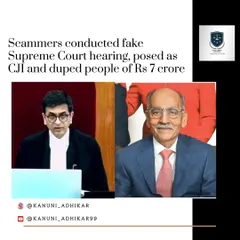
Cyber Kanoon: Protect Yourself from Online Fraud
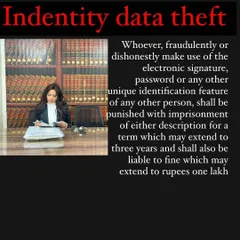
Legal Action Against Cybercrime, Fraud, and Defamation
Online Legal Safety: Digital Suraksha & Cyber Laws
Cyber Law and Digital Safety Awareness
Cyber Crime Aur Online Suraksha
Legal Help for Online Scams and Financial Fraud
More from Legal Consultation & Representation by Karan Bajaj
More services by Karan Bajaj