Know Your Cyber Rights: The IT Act Explained
The internet is a complex place, but you don't have to be a victim. Here is a breakdown of how the IT Act protects you, explained in simple terms.
An introduction to the cyber laws that every Indian internet user must be aware of to stay safe and protected in the digital world.
The internet has its troubles, and cybercrime is a growing threat. This post explains why the Information Technology Act, 2000, was created to regulate illegal online activities and safeguard the rights of every internet user.
This infographic explains Section 65 of the IT Act. Intentionally hiding, altering, or destroying computer source code is a punishable offense that can lead to imprisonment for up to 3 years or a fine of 2 lakhs.
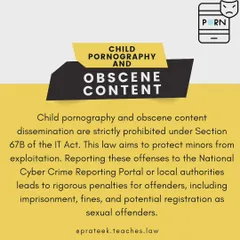
This post covers Section 67 of the IT Act, which deals with one of the most serious cybercrimes. Publishing or transmitting sexually explicit material involving children can result in imprisonment for up to 7 years and a fine of up to 10 lakhs.
About Know Your Cyber Rights: The IT Act Explained
When you face cyber harassment or fraud, a general complaint often gets lost in the system. The secret lies in documenting your evidence, such as transaction receipts and URL links, and aligning them with specific sections of the IT Act, like Section 66 for identity theft. This approach forces authorities to view your situation as a formal legal matter rather than a generic grievance.
Understanding the IT Act
The Information Technology Act, 2000, is the primary law governing digital activities in India. While most people only encounter it after a crime has occurred, knowing which sections apply to your situation can change the outcome of your case.
Key Sections You Should Know
- Section 65 (Tampering with source documents): This applies if someone has intentionally altered or destroyed computer source code, programmes, or system commands related to your business or personal data.
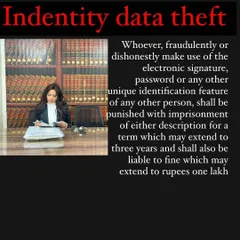
- Section 66 (Identity Theft): This is your primary shield if someone is misusing your digital identity, email, or social media profile to cause you harm or wrongful loss.
- Section 67 (Obscene Material): This section handles the publication or transmission of sexually explicit content, including cases involving minors, which carry severe penalties.
Why Documentation Matters
In my practice across Delhi NCR, I have found that the most common reason for police inaction is poorly structured evidence. A list of screenshots is not enough. You need a chronological narrative that links your digital evidence to specific legal provisions. Whether you are approaching the local Cyber Cell or filing an application under Section 156(3) CrPC before a Magistrate, your case rests on how clearly you present these facts.
If you are dealing with online defamation or a financial scam, do not wait for the situation to escalate. Gather your evidence, understand the relevant sections, and take proactive steps to secure your rights.
Similar work from other experts
Browse through Curated picks from other experts on mytribe
 4
4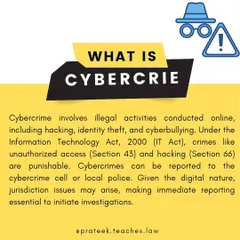
Understanding Cyber Crime and Your Legal Remedies
Online Legal Safety: Digital Suraksha & Cyber Laws
Cyber Law and Digital Safety Awareness
Legal Advice for Cybercrime and Digital Fraud

Cyber Kanoon: Protect Yourself from Online Fraud
Legal Action Against Cybercrime, Fraud, and Defamation
More from Cyber Law & Online Fraud by Sushant Tripathi
More services by Sushant Tripathi