Food Under the Microscope: Real Lab Test Results
Don't trust labels blindly. I buy everyday food products off the shelf and send them for NABL-accredited lab testing to uncover what is actually inside.
Sundrop is a popular peanut butter, but it failed my lab test. While its macros were fine, it contained aflatoxin B1 and total aflatoxins at levels higher than the safe limit, even on a re-test. This product is a fail.
Aflatoxins are toxic compounds often found in low-quality peanuts that can cause liver and kidney cancer. I explain how my blind testing of top-selling peanut butters in India found that three out of four failed the safety test for this contaminant.
I tested MyFitness Chocolate Peanut Butter and found a major issue. The added sugar content was three times higher than what the brand claims on its label. While other macros were close, this is a significant misrepresentation.
The Whole Truth's 20g protein bar passed all my tests for protein accuracy and safety from contaminants. It's a certified product, though I note that its primary ingredient is cashews (34%) rather than whey (19%).
I tested the popular Max Protein Daily bar. The protein content was accurate, but the lead level, while within the safe limit, was on the higher end. It's important to be aware of what's in your daily snacks.
Many people think Soya Chaap is a healthy protein source, but it's not. I break down the ingredients to show that its primary component is actually refined flour (maida), not soy, making it an unhealthy, high-carb food.
Seitan, or wheat gluten, is often called the "father of all veg protein." I analyze its pros and cons, explaining that while it's a decent option for vegans, it's an incomplete protein and not a true replacement for high-quality animal-based sources.
Daawat Brown Basmati Rice is a staple for many health-conscious individuals. I sent it for lab testing to check for things like illegal synthetic dyes to ensure that what you think is healthy actually is. Stay tuned for the results.
About Food Under the Microscope
Let's talk about the peanut butter in your pantry. I have tested multiple top-selling brands, and the results are concerning. Beyond just protein accuracy, I am finding levels of aflatoxins—a toxic mold byproduct linked to serious health issues—that exceed safe limits. When a brand calls a product 'healthy,' they are often just talking about the macro count, ignoring the safety profile that actually matters for your long-term health.
Why I Test Everyday Food
Most fitness influencers focus on the latest diet trends. I focus on what is actually in your shopping basket. Marketing claims like 'natural', 'high-protein', or 'no sugar' are often misleading. My goal is to bridge the gap between what a company writes on their packaging and what a lab report actually proves.
The Testing Process
I treat every product as a blind sample. I buy these items from local retailers or major e-commerce platforms—never from brands directly. This ensures that the product being tested is identical to what you have at home.
- Macro Verification: Does the protein, fat, and carbohydrate count match the label?
- Contaminant Screening: Testing for heavy metals like lead, mercury, and arsenic.
- Mycotoxin Analysis: Checking for aflatoxins in staples like peanut butter and grains.
- Adulteration Checks: Looking for synthetic dyes, cheap fillers, and amino spiking in supposed protein sources.
What the Results Mean
My verdict is simple: Pass or Fail. If a product contains contaminants above safe limits, it fails. If it misrepresents nutritional facts, it fails. This isn't about shaming brands; it is about transparency. When you are planning your daily nutrition, you need facts, not marketing drama. Choose safe, be safe.
Similar work from other experts
Browse through Curated picks from other experts on mytribe
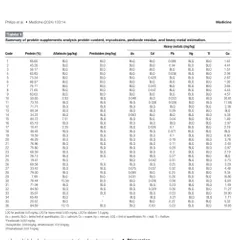
Lab-Tested Supplement Analysis and Scientific Guidance
Food Facts & Myth-Busting
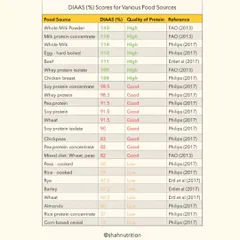
Understand Your Food: The Science Behind Everyday Choices

Nutrition Guides & Honest Food Ratings

Nutrition Myths Busted: Stop Being Fooled by Labels
A Nutritionist's Guide to Decoding Packaged Food Labels
More from Supplement & Food Quality Testing by Arpit Mangal
More services by Arpit Mangal