Understanding the Science of Scalp & Hair Health
Healthy hair begins at the root. From managing dandruff to identifying the early signs of thinning, I break down the science of scalp care so you can stop experimenting and start treating the actual cause.
This video provides a detailed guide on managing dandruff. I explain the causes, from fungal overgrowth to oil production, and walk through the effective treatment options, including medicated shampoos, topical lotions, and, in severe cases, oral medications.
Winter can be harsh on your hair, leading to dryness and shedding. In this video, I share my essential tips for winter hair care, including using lukewarm water, sulfate-free shampoos, and conditioners, as well as maintaining a proper diet to keep your hair healthy and strong.
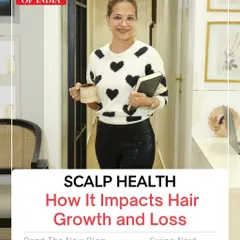
The journey to better hair growth begins with the scalp. This image introduces the core principles of maintaining a healthy scalp environment, which is essential for strong and vibrant hair.
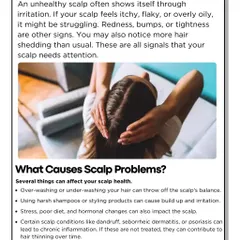
Your scalp often sends clear signals when it is unhealthy. This graphic serves as an introduction to the seven key warning signs you should not ignore, from itching and flaking to excessive oiliness.
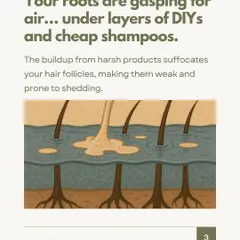
Are your hair follicles blocked? This can be a major obstacle to healthy hair growth. This visual introduces the common culprits, such as sebum buildup and pollutants, that can clog follicles and impede hair health.
Scalp care is not one-size-fits-all. Your hair type, whether straight, wavy, or curly, determines the specific care your scalp needs to thrive. This graphic introduces tailored tips for each type.
What you eat has a direct and significant impact on the health of your hair. A balanced meal, rich in proteins, vitamins, and minerals, provides the essential building blocks for strong hair follicles and healthy growth.
Can probiotics benefit your scalp? The answer is yes. Known for improving gut health, probiotics can also help balance the scalp's microbiome, reducing inflammation and controlling conditions like dandruff.
In this video (in Hindi), I explain what dandruff is. It is a common condition caused by the overgrowth of a normal fungus, Malassezia, due to excess oil secretion. It can range from mild flaking to severe, greasy patches on the scalp and other hairy areas.
If you have dandruff, the most important thing is to keep your scalp clean and healthy. This video (in Hindi) outlines the available treatment options, from medicated shampoos and stay-on lotions to oral medication for persistent cases.
About The Importance of Scalp & Hair Health
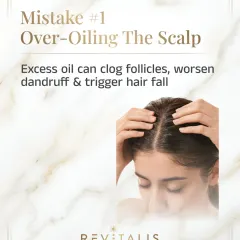
Many patients believe oiling a dry scalp is a universal fix, but if you are experiencing flaking or itching, applying oil is often the worst thing you can do. Oil provides a fuel source for the fungus responsible for dandruff, effectively worsening the condition. Before you try any home remedy or over-the-counter product, we must first determine if you are dealing with a dry scalp, an allergic reaction, or a fungal issue to ensure we target the right root cause.
Your Scalp is the Foundation
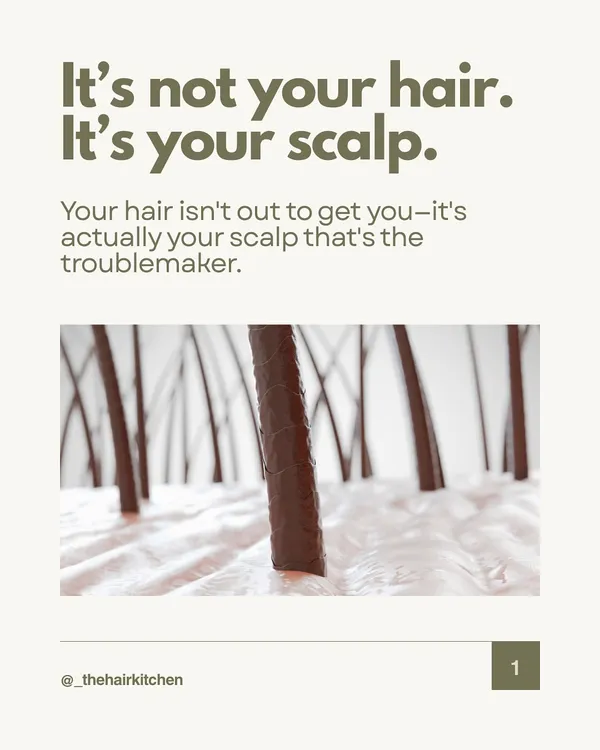
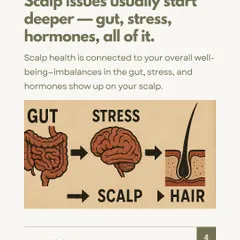
Think of your scalp as the soil in which your hair grows. If the soil is imbalanced, the hair cannot thrive. We see patients every day who have tried dozens of 'miracle' shampoos without success, usually because they are treating symptoms rather than the underlying scalp environment. Whether it is sebaceous gland activity, hormonal triggers, or nutritional deficiencies, the diagnosis is the most important step in our process.
The Reality of Dandruff
Dandruff is often misunderstood as a simple dryness issue. In reality, it is frequently caused by an overgrowth of Malassezia, a fungus that lives on everyone's skin. In certain individuals, excess sebum production provides the perfect conditions for this fungus to thrive. Our treatment focuses on restoring the scalp microbiome. In some cases, this means using targeted medicated shampoos, and in others, it requires topical lotions or oral medications to clear the inflammation.
Seasonal Changes and Cyclic Shedding
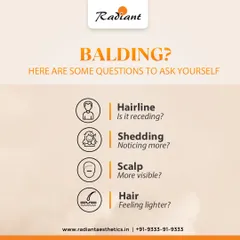
Your hair reacts to the environment. In winter, falling temperatures and lower humidity levels strip moisture from the scalp, leading to tightness, frizz, and increased breakage. We also observe 'cyclic shedding' as seasons change, which can alarm patients. While this is often temporary, it is essential to monitor your hair density. If shedding persists, it is a signal that your scalp health or nutritional levels require a closer look.
Why Diagnosis Matters
We avoid one-size-fits-all prescriptions. During your consultation, we use digital trichoscopy to magnify the scalp, allowing us to see what the naked eye misses—follicular blockages, inflammation, or early signs of miniaturization. By identifying the root trigger, we create a precise plan, whether that involves medical management, regenerative therapies like PRP or GFC, or simply adjusting your diet and routine. You deserve a solution based on medical evidence, not marketing promises.
Similar work from other experts
Browse through Curated picks from other experts on mytribe
Daily Hair Care and Nutrition: Science-Backed Advice
Expert Solutions for a Healthy Scalp and Hair
 12
12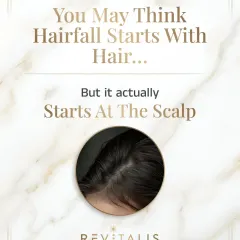
The Scalp-First Approach to Healthy Hair
 41
41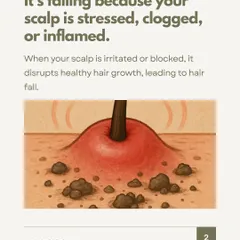
Understand Your Hair: The Science Behind a Healthy Scalp
Understanding Hair Loss: Expert Guidance on Causes & Care
 22
22

Understanding Hair Loss: The Science Behind Your Scalp Health
More from Non-Surgical Hair Loss Treatments by AllôRoots
More services by AllôRoots