The Scalp-First Approach to Healthy Hair
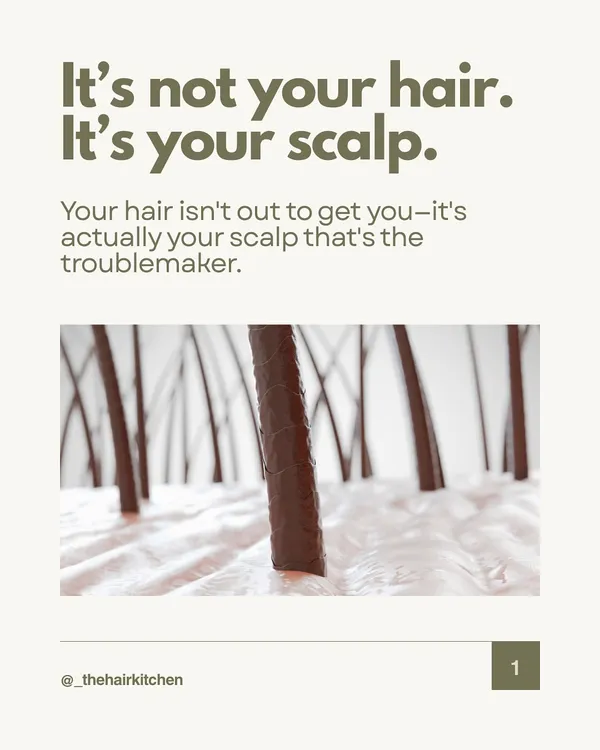
Stop treating your hair and start fixing your scalp. Most hair concerns stem from what is happening at the root level, not the strands.
The foundation of my practice is focusing on the scalp. Before we can treat hair fall or dullness, we must address the health of the scalp where the hair grows. This is where I start with every patient.
Many believe hair fall is a hair problem, but it's a scalp problem. An unhealthy scalp environment with clogged follicles or inflammation cannot support strong hair growth. A proper diagnosis always begins with a close look at the scalp.
Mistake number one is over-oiling the scalp. While oiling has benefits, excess oil can clog follicles, attract dirt, worsen conditions like dandruff, and ultimately lead to more hair fall. It's about balance, not excess.
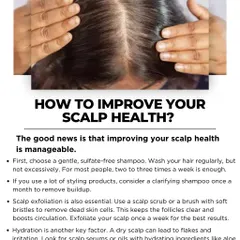
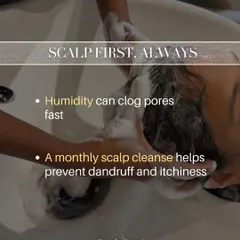
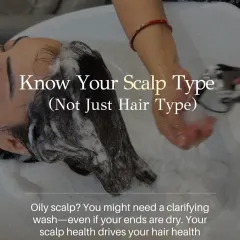
A common mistake is choosing a shampoo for your hair type instead of your scalp type. An oily scalp needs a clarifying shampoo, while a dry scalp needs a gentler one. Using the wrong product can create more problems.
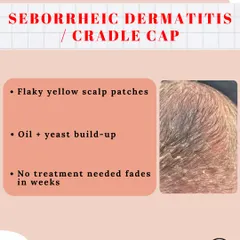
Itching, flakes, and redness are not normal. These are symptoms of an underlying scalp issue like seborrheic dermatitis or fungal infections. Ignoring them allows the problem to worsen and can impact hair growth.
Applying home remedies like onion juice or lemon without a proper diagnosis is a significant mistake. These DIY treatments can often irritate the scalp, delay proper medical care, and make the condition worse.
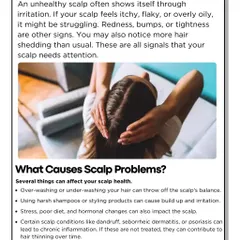
Your scalp often gives clear warnings when it's unhealthy, but they are easy to ignore or misinterpret. In this series, I cover the top signs that you need to pay attention to your scalp health.
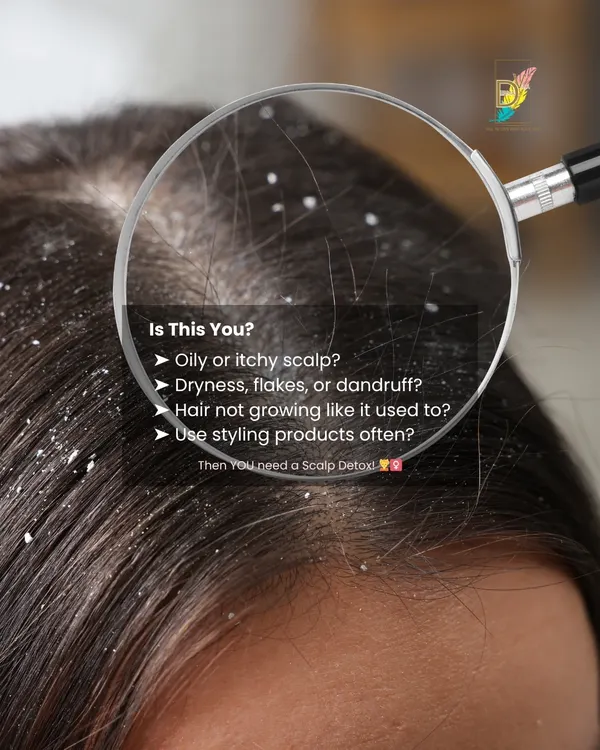
Sign number one of an unhealthy scalp is constant itchiness. Many dismiss it as 'normal,' but it's often a sign of inflammation, dryness, or a fungal issue that needs to be addressed.
Sign number two is recurring flakes. People often blame the weather, but persistent flaking is usually due to dandruff or a dry scalp condition that requires a targeted treatment plan.
If your scalp gets greasy within 24 hours of washing, that's sign number three. This indicates excess sebum production, which can clog follicles. The solution isn't just a different shampoo; it's about regulating scalp oil.
About The Scalp-First Approach
You keep buying expensive shampoos hoping they will stop the hair fall, but if your scalp is inflamed or clogged, no bottle in the world will fix it. Before you try another serum, we need to see what is actually happening. Is it Seborrheic Dermatitis, simple product buildup, or a nutritional deficiency? My clinical diagnosis starts with a look at the root cause, not the symptoms.
Why Your Scalp Matters
Most people waste time and money treating the hair shaft when the issue is actually on the skin of the scalp. If your follicles are inflamed or blocked by excess sebum, they simply cannot produce strong, healthy hair. My approach is to stop the trial-and-error cycle of buying random hair products and start with a proper medical diagnosis.
The Science of Diagnosis
In my clinic, we do not guess. I use digital trichoscopy to visualize your follicle density and pore health. This helps me differentiate between issues like androgenetic alopecia, simple dandruff, or fungal infections like Seborrheic Dermatitis. When you know exactly what is wrong, you stop wasting money on the wrong shampoos or oils.
It Is Not Just About Products
Often, the root cause is internal. I look at your blood markers—Ferritin, Vitamin D, and B12—to see if your hair fall is linked to nutritional gaps. We also look at your lifestyle, specifically how your diet and daily habits impact hair growth. My goal is to simplify your routine to only what is necessary, backed by science.
When to See a Professional
If you are noticing constant itchiness, persistent flaking, or a burning sensation, these are not just minor inconveniences. They are signals that your scalp environment is compromised. Do not ignore these symptoms or try to mask them with DIY home remedies that can cause further irritation. Let us figure out the real issue so you can actually fix it.
Similar work from other experts
Browse through Curated picks from other experts on mytribe
Managing Common Scalp Concerns: A Medical Approach
Expert Solutions for a Healthy Scalp and Hair
Scalp Detox and Health Treatments in Mumbai
 8
8
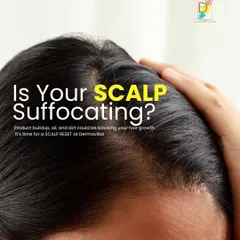

Scalp Health: Advanced Detox & Dandruff Solutions
 4
4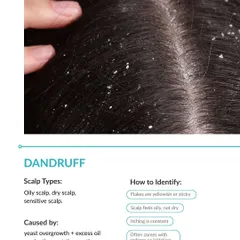
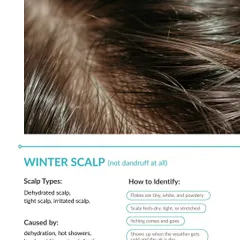
Scalp Health: Dandruff & Dryness Solutions
 41
41
Understand Your Hair: The Science Behind a Healthy Scalp
More from Hair & Scalp Health Consultation by Geetanjali Shetty
More services by Geetanjali Shetty